
People in the disability community know well that the words we choose shape how we see each other. Schools, businesses, and families have long used “special” and “special needs” with kind intentions. Over the years, though, both terms have picked up an unwelcome tone. Plenty of people today find them limiting, dated, or a bit condescending. Each label can suggest that a person is an exception who needs gentle handling. It’s time to change the conversation, starting with a fresh look at disability and individuality.
What Labels Tell People to Expect
How a person is labeled affects how others treat them. A group set apart by the word “special” can face lower expectations. Many young people with disabilities feel the effects today. A 2026 survey by Sense, a United Kingdom charity for people with complex disabilities, asked 1,000 disabled people with complex needs aged 16 to 25 about their futures. Of those young people, 68% said the education system didn’t have high aspirations for them. That share rose to 77% among those still in full-time education. Attitudes like these shape the opportunities young people are offered, so the words used to describe them deserve care.
Families raising a child with a disability can meet those lower expectations in classrooms, medical offices, and hotel lobbies. Their loved ones deserve descriptions built around who they are and what makes each of them unique.
Uniqueness Is a Source of Strength
Each person has a distinct mix of gifts, personalities, and ways of moving through the world. Those differences can become real strengths that lead to remarkable personal achievements. Places and programs built around what people bring let the “superpowers” of that uniqueness show. When those strengths are clearly seen, people can grow into the best versions of themselves.
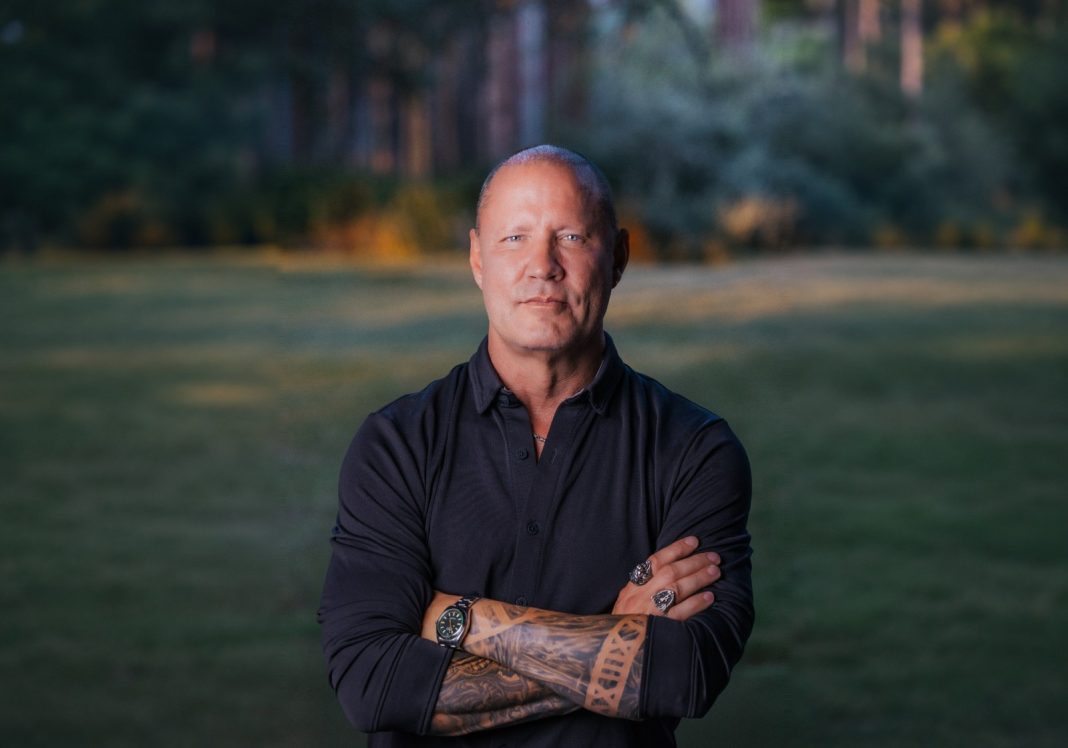
The belief is a personal one for Charles “Dr. Charlie” Powell, M.D., who founded Saint Charlie Resorts. Dr. Charlie’s son was born in 2004 and goes by Little Charlie in the family. A rare chromosomal condition meant that doctors couldn’t tell the family what the future would hold. Little Charlie says hello to strangers wherever he goes and then waits patiently for an answer. His father sees that warmth and patience as signs of a natural teacher and counts them among his son’s greatest superpowers. That view guides his plan for vacations where families with members of every ability can spend time together.
When uniqueness is the starting point, conversations about disability take a different turn. They raise questions about what someone needs to thrive and what strengths they bring. They also ask how we can design a world that makes joy accessible to each of them.
That final question guides the philosophy behind Saint Charlie Resorts. Joy belongs to everyone, and that’s why every space, activity, and service needs accessibility planned in from day one.
Designing a Resort Where Joy Is Accessible
Saint Charlie Resorts grows out of that belief. Solo Vive, its parent company, is shaping the concept for a Riviera Maya resort in Mexico. The flagship property is scheduled to open in 2027. It’s designed to serve guests living with sensory, physical, cognitive, developmental, and other disabilities, as well as the parents and siblings who travel with them.
Services begin before guests arrive, when each family completes a planning profile that covers dietary restrictions, mobility requirements, sensory triggers, and communication needs. That gives the team time to prepare. Staff complete specialized training, activities are adapted so every guest can take part, and the entire property follows a structured safety system.
Alongside those services, the resort is developing a family support model to make each trip easier to enjoy. The model includes personalized assistance and carefully planned activities. It also gives parents and caregivers moments to unwind, knowing that the team has carefully considered their family’s needs.
Survey results show how much families need these options. The International Board of Credentialing and Continuing Education Standards offers training and certification for travel professionals who serve autistic travelers. It points to a survey of 1,000 parents raising autistic children. In that group, 87% said their families don’t take family vacations.
Some hospitality brands offer limited autism programming. Saint Charlie Resorts intends to serve families across the full spectrum of intellectual and physical needs. The same thinking shows up in the resort’s search for a new tagline, “Where ___ is accessible.” The resort’s followers have been asked to help choose the word that best fits the experience. Whether it turns out to be freedom, joy, adventure, or belonging, the message stays the same. Each family deserves a getaway planned around its own needs.
Language will keep changing, yet seeing each person as the individual they are can guide that change. When we pay attention to each person’s strengths and create spaces where people can join in, connect, and flourish, everyone gains a chance to enjoy life more fully.

