Home Blog Page 45

Will Litte Hints at Surprise Collaboration with Country Icons

Will Litte’s recent burst of creativity has already made headlines, but the country star may be preparing something even bigger. In a radio interview earlier this week, Litte teased the possibility of new collaborations with some of the industry’s most respected names. While he stopped short of naming anyone directly, he hinted that talks are underway and that fans should “expect some voices you know and love” on upcoming tracks.

The idea of Litte teaming up with established country icons has fans buzzing on social media. After releasing nine original songs in a single week, including “Vroom You Down” and “I’m Alive,” he has proven that he can deliver both volume and quality. Adding guest appearances could push his music to an even wider audience and cement his reputation as one of the most versatile artists working today.

Why It Matters

Collaborations have long played a big role in country music, from crossover duets to star-studded albums that bring together legends and rising voices. If Litte’s next move involves names like Chris Stapleton, Kacey Musgraves, or Morgan Wallen, it could mark a major turning point in his career. His recent tracks already showcase his ability to shift from upbeat anthems to heartfelt ballads, so pairing with other strong voices has the potential to create standout moments in modern country.

Fans React

Within hours of the interview airing, Twitter and TikTok lit up with speculation. Some fans are convinced that “Filipina Cowgirl” was written with a duet in mind, while others are betting on a remix of “The Farmer’s Daughter” featuring a high-profile female artist. Whatever the case, the buzz highlights just how invested listeners are in Litte’s next steps.

What’s Next

Between the ongoing success of his nine-song release, the upcoming Roads and Stories Tour 2025, and the possibility of collaborations, Will Litte is keeping the momentum going at full speed. Whether the rumors prove true in the form of a single, an EP, or even a surprise album, one thing is certain: fans are ready.

As Litte himself said during the interview, “Country music is about stories, and some stories are better told together.”

Will Litte

Listen to Will Litte’s latest hits here:

Momo Assad Emerges as a New Face in International Cinema

Emerging actor Momo Assad is making waves in Italy and is quickly becoming a name known across the United States and beyond. A multilingual actor with a talent for transcending cultural barriers, Assad has become a force to be reckoned with in both the theater and film industry.

Originally from Rome, Momo was born into a multi-ethnic family and was discovered in a local production of Grease before beginning his professional acting career. In the years since, Assad has enjoyed success on stage, TV and film, notably with the New Swan Shakespeare Festival in California and Los Angeles productions The Last Days of Judas Iscariot. More recently, the actor appeared on HBO’s The Rehearsal, his first American television credit, and has film credits that include Daisy, Blood in the Shadows, and Face of an Angel.

Assad has also seen a fair share of success beyond the states and Italy, attending Cannes, the International Film Festival of India, and was named an Emerging Star at the Ischia Global Film Festival. In late October he is set to attend the Venice Film Festival with both RAI Felicita and RAI Paradise.

A storyteller at heart, Assad has taken on a variety of roles throughout his career, with notable performances in Shakespeare and immersive theater. Additionally, the actor’s unique performance in The Prophet was the fruit of over a decade of solo shows, a feat inspired by the poetry of Khalil Gibran.

A skillful balance of authenticity and versatility that appeals to a broad array of audiences, coupled with a string of impressive accolades and the rising profile of the actor himself, has made Momo Assad a name to look out for. With projects that span borders, feature in film festival lineups, and a steadily climbing list of credits, his career is one to watch with great interest.

Learn more about Momo Assadat: https://momoassad.weebly.com/ or  https://www.imdb.com/name/nm15393796/

How To Choose The Right Cosmetic Surgeon For Your Needs

Cosmetic surgery is a deeply personal decision. It’s not just about enhancing appearance – it’s about feeling confident and comfortable in your own skin. Whether you’re considering a minor procedure or a more involved transformation, one of the most important choices you’ll make is selecting the right cosmetic surgeon. The outcome, safety, and overall experience depend heavily on that decision.

The first step is understanding the difference between a cosmetic surgeon and other types of medical professionals. While plastic surgeons are trained to handle both reconstructive and cosmetic procedures, a cosmetic surgeon focuses exclusively on enhancing appearance. This can include facial surgeries, body contouring, and non-surgical treatments. The specialization means they are well-versed in techniques that prioritize aesthetics.

Credentials matter more than marketing. You’ll want to check that your surgeon is certified by a recognized surgical board in your country. This certification ensures they’ve undergone the necessary training, passed rigorous exams, and adhere to high standards of practice. Beyond the basic credentials, look for memberships in professional organizations, which can indicate a commitment to continuing education and staying updated with the latest techniques.

Experience in the specific procedure you’re considering is just as important as overall experience. A surgeon might be highly skilled in one area but less so in another. Ask how often they perform the exact procedure you want, how long they’ve been doing it, and whether you can see before-and-after photos of their work. This will give you a realistic idea of what to expect.

Patient reviews and testimonials can also provide valuable insights. While one or two negative reviews are not necessarily a red flag, consistent concerns about communication, results, or post-surgery care should make you cautious. Look for patterns in the feedback to get a sense of the surgeon’s strengths and weaknesses.

A face-to-face consultation is essential. This is your chance to assess not only the surgeon’s expertise but also their communication style and willingness to listen. You should feel comfortable discussing your concerns and asking questions. A good surgeon will provide clear explanations, realistic expectations, and a transparent overview of the risks involved.

It’s also important to consider the clinic environment. The facility should be accredited, clean, and equipped with modern technology. Surgical procedures should take place in accredited operating rooms, not makeshift or poorly maintained spaces. Safety must always be the priority.

Budget is a factor, but it should never be the deciding factor. While it’s natural to compare costs, choosing a surgeon based solely on price can be risky. Bargain procedures might come with hidden costs in the form of complications, revisions, or unsatisfactory results. Aim for value – a balance between expertise, quality of care, and cost.

If you’re not sure where to start, researching qualified professionals in your area can help narrow your options. You can find helpful information online, such as professional directories, verified reviews, and educational articles about procedures. One example is exploring a reputable cosmetic surgeon profile to understand their background, training, and approach to patient care before making contact.

Finally, trust your instincts. If something feels off during your consultation – whether it’s the lack of clarity, high-pressure sales tactics, or dismissive answers – it’s worth seeking another opinion. Cosmetic surgery is an investment in yourself, and you deserve to feel confident in your choice.

Choosing the right cosmetic surgeon takes time, research, and careful consideration. When you find a professional who combines strong credentials, relevant experience, a portfolio of natural results, and a patient-centered approach, you set yourself up for a positive experience and results you can be proud of.

How Accurate Land Surveys Can Save Property Owners from Costly Disputes

Property disputes can be one of the most time-consuming, costly, and emotionally draining situations that any landowner may experience. Conflicts over boundaries, structures, and easements can lead to protracted legal battles that can cost a lot of money and energy. One of the best ways to avoid many such problems before they even arise is to ensure that a property has an accurate and updated land survey.

A land survey is the measurement and mapping of a property’s boundaries, features, and topography. Surveyors are professionals who create legal property lines and identify existing structures or features in relation to those lines. Without a reliable survey, property owners are more vulnerable to misunderstandings, false assumptions, and even intentional encroachment.

One of the most frequent sources of disputes is inaccurate or outdated boundary information. Boundary markers can shift over time, fences can be built in the wrong location, and records can become inconsistent. For instance, two neighbors may have different perceptions about where a shared boundary is located. Without a survey, such a disagreement can easily turn into a case of word-against-word, which is hard to resolve unless clear and convincing evidence can be presented. In these situations, a professional survey can provide the definitive reference point to settle the dispute equitably.

Surveys are equally important during the buying and selling process. A buyer who purchases based on existing documentation without verifying the boundaries can later discover that part of their land is on someone else’s title. Or they may end up being responsible for structures that cross into the neighboring property. On occasion, the results can trigger costly legal proceedings or force removal or relocation of buildings, fences, or driveways. Therefore, ensuring an accurate survey as part of the due diligence process protects both parties in the transaction.

In rural and semi-rural areas where large parcels of land are common, surveying is essential in preventing overlaps in boundaries and easement disputes. Agricultural activities, water access, and utility rights may all be affected by unclear boundaries. Equally, in urban areas where there is limited space and a lot of development pressure, small discrepancies in measurement can create big problems over valuable real estate.

Beyond just avoiding potential legal disputes, accurate surveys also provide a sense of security and confidence in decision-making. Property owners can make informed decisions about property development, landscaping, or renovations knowing precisely where their boundaries lie. For developers, having a detailed survey will also help with planning approvals and compliance with local regulations. It also eliminates the risk of unintentional violations that can stop a project in its tracks and increase the costs.

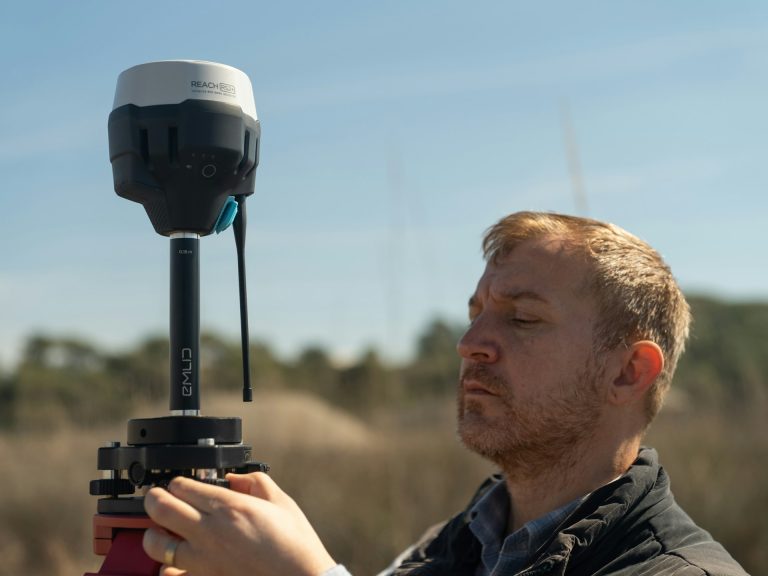
Technology has also advanced in recent years, so modern Brisbane surveying is more accurate and efficient than ever before. GPS systems, drones, and laser scanning tools allow surveyors to collect precise data even in difficult terrain quickly. The increased accuracy offered by modern technology provides even more protection to property owners, as the results are less susceptible to human error and can be easily incorporated into digital records.

Ultimately, the expense of a survey pales in comparison to the cost of defending a property dispute in court. The financial costs of legal representation and possible compensation, as well as the emotional and stress-related toll of a protracted conflict, can be many times higher than the relatively small investment in a survey. In most cases, the little upfront cost of professional surveying services will pay for itself multiple times over through avoiding problems before they happen.

In conclusion, a land survey is more than just a technical requirement or an administrative formality. It is an essential tool for preventing misunderstandings, maintaining good neighbor relations, and making sound property decisions. Whether you are buying, selling, developing, or simply protecting an existing investment, having an accurate survey in place is one of the smartest things that any property owner can do.

The Most In-Demand Nursing Specialties in 2025 and How to Prepare for Them

The healthcare industry is facing a period of rapid change, and nursing is at the center of it. Advances in technology, an aging population, and evolving patient needs are creating new opportunities for nurses who are ready to specialize. In 2025, certain areas of nursing are standing out as particularly in demand, offering strong job security and the potential for career growth.

Geriatric nursing

With populations in many countries continuing to age, the need for geriatric nurses is greater than ever. These professionals provide specialized care for older adults, managing chronic illnesses, preventing disease, and promoting quality of life. The role requires patience, strong communication skills, and the ability to adapt care plans to individual needs.

Critical care nursing

Critical care nurses work in intensive care units, providing support for patients with life-threatening conditions. This specialty demands advanced clinical skills and the ability to make quick decisions under pressure. It can be both challenging and rewarding, offering opportunities to work with cutting-edge treatments and life-saving interventions.

Oncology nursing

Cancer treatment is advancing rapidly, with new therapies and targeted medications becoming available each year. Oncology nurses guide patients through diagnosis, treatment, and recovery, providing emotional as well as medical support. The role often involves long-term relationships with patients, making it ideal for those who value continuity of care.

Nurse anesthetists

Certified registered nurse anesthetists (CRNAs) are among the highest-paid nursing professionals. They play a critical role in surgical teams, administering anesthesia and monitoring patients throughout procedures. This specialty requires extensive training and is in particularly high demand in rural areas where anesthesiologists may be scarce.

Preparing for a specialty

Choosing a specialty involves assessing personal interests, skills, and long-term career goals. It is also essential to understand the educational and licensing requirements for each field. Some specialties require advanced degrees, while others may only need targeted certification or additional clinical experience.

For nurses balancing work and education, online learning platforms can provide the flexibility needed to complete training without stepping away from a full-time role. Many accredited providers, such as RN.org, offer continuing education courses that align with specialty preparation and licensing requirements. This can be especially helpful for meeting prerequisites before applying to advanced programs.

Considering the future

The demand for nurses in these specialties is unlikely to slow down in the coming years. Factors such as the integration of artificial intelligence in healthcare, greater emphasis on preventative medicine, and expanded access to telehealth will continue to shape the types of skills and knowledge that are most valued.

Nurses who keep an eye on these trends and commit to ongoing education will be better positioned to adapt. Whether it is learning about new cancer treatments, mastering advanced monitoring equipment, or developing expertise in elderly care, continuous learning is the key to staying competitive.

Final thoughts

Specializing in nursing can bring professional satisfaction, higher pay, and the chance to make a deeper impact in a chosen field. By understanding which specialties are most in demand and taking proactive steps toward gaining the right qualifications, nurses can build careers that are both secure and fulfilling. In 2025, the opportunities are there, and preparation is the key to success.

How Stratus Ecom Is Helping Professionals Turn E-Commerce Into a Safe and Scalable Source of Passive Income

With full-service management, built-in guarantees, and hands-free partnerships, Stratus Ecom is leading a new wave of digital entrepreneurship for modern investors.

In today’s shifting economy, more professionals are seeking ways to diversify income, reduce financial pressure, and build true freedom – not through high-risk ventures or speculative trading, but through smart, modern investments. One company is turning this vision into reality by helping people own profitable digital businesses with none of the day-to-day work.

Stratus Ecom, a leading full-service e-commerce investment firm, is redefining what passive income looks like by managing profitable online stores for clients on platforms like Amazon, Walmart Marketplace, Etsy, TikTok Shop, and eBay – all without the client lifting a finger.

With a model that combines hands-free ownership, expert-driven management, and contractual guarantees, Stratus Ecom is giving professionals, investors, and entrepreneurs a safe entry point into the digital economy – and the results speak for themselves.

“People don’t want another job – they want freedom. We built a system that turns capital into income while we handle the rest,” says one of Stratus Ecom’s founding partners.

A Simple Yet Powerful Model

Unlike traditional business ownership, where you’re responsible for inventory, customer service, advertising, and shipping, Stratus Ecom’s model flips the script.

Each client is set up as the legal owner of their online store. Meanwhile, Stratus Ecom’s internal team takes care of everything operational – including:

  • Product research and supplier sourcing
  • Inventory management and logistics
  • Customer service and returns
  • Advertising and paid traffic
  • Store optimization and performance analytics
  • Ongoing compliance with marketplace policies

This setup allows clients to earn consistent monthly income without getting involved in the daily operations.

Why not just own the stores themselves?

Because online marketplaces place strict limits on how many stores any individual or entity can own. Stratus Ecom navigates these rules by partnering directly with clients – who legally own each store – while the company manages the business from start to finish.

Built by a Team, Not a Solo Founder

Stratus Ecom was founded over five years ago by a small group of e-commerce experts. Since then, it has grown into a multi-owner operation with dedicated departments covering every aspect of online retail – from compliance and logistics to paid media and digital marketing.

This team-based structure ensures that every store benefits from diverse expertise, advanced tools, and proven strategies.

With hundreds of stores launched and scaled – and a growing client base across the U.S. and abroad – the firm has earned a reputation for delivering long-term, consistent results that go far beyond the promises of most automation services.

“Our growth is rooted in transparency, systems, and client success. We’re not selling dreams. We’re selling digital infrastructure that works,” the company says.

What Sets Stratus Ecom Apart? Two Written Guarantees

E-commerce automation is a competitive space, and many providers promise results without offering protection. Stratus Ecom takes a different approach – offering two contractual guarantees to give clients peace of mind.

These guarantees protect:

  1. Upfront Fees – Ensuring that initial capital isn’t lost due to poor performance.
  2. Overall Investment – Offering long-term security as the business grows.

This level of accountability is rare in the industry and gives clients the confidence to invest without fear of being left unsupported.

“We’re willing to put our name and capital on the line – because our model works,” the company emphasizes.

Three Partnership Options for Any Investor

To accommodate different goals and risk levels, Stratus Ecom offers three flexible partnership tiers:

  • 50/50 Profit Split – Lower upfront cost with shared profit structure
  • 60/40 Profit Split – Balanced investment with more earnings going to the client
  • 70/30 Profit Split – Higher upfront investment for clients seeking maximum profit share

Each tier includes full operational support, performance tracking, and access to Stratus Ecom’s proprietary systems. Clients choose the structure that aligns with their financial goals, timeline, and comfort level.

From Extra Income to Full Income Replacement

What starts as a side investment for many clients often becomes a major income stream. Some clients use their e-commerce profits to supplement monthly expenses, while others scale their stores to the point of replacing their full-time income.

Stratus Ecom reports that clients are using their earnings for everything from travel and early retirement to paying off debt, investing in real estate, or launching new ventures.

One client, a medical professional, was able to reduce their hospital shifts after their store began generating over $8,000 per month in net profit. Another used their returns to move abroad and live off passive income full time.

“You don’t need to be a tech expert or marketer,” said one client. “Stratus Ecom makes it turnkey – I just check my profit reports and watch it grow.”

A Smarter Way to Invest in the Digital Economy

The rise of automation and digital marketplaces has opened doors that didn’t exist ten years ago – but the real challenge is navigating them effectively. That’s where Stratus Ecom has found its edge: combining real infrastructure with professional management, all within a structure that protects clients and prioritizes results.

With its growth accelerating, the company is quickly becoming a go-to option for professionals who want more than just passive income – they want predictable, protected, and performance-driven returns.

“There’s a massive opportunity here,” one partner notes. “E-commerce is only getting bigger, and we’ve created a way for everyday people to benefit from it without the stress, the risk, or the guesswork.”

Final Thoughts: Building Digital Wealth the Smart Way

Stratus Ecom’s rise reflects a broader trend: working professionals want smarter investments – not more complexity. With hundreds of clients, proven systems, and a team dedicated to long-term client success, the company is proving that passive income through e-commerce is not only possible – it’s practical.

If you’re looking for a secure, done-for-you way to generate monthly revenue and build digital equity, Stratus Ecom may be the investment you’ve been waiting for.

To learn more about partnership opportunities, visit www.stratusecom.com or call (866) 50-STRAT.

 

What Happens When Your Insurance Company Offers Less Than You Deserve?

You’ve been in a car accident, filed your claim, and now your insurance company comes back with an offer-only it’s far less than you expected. Frustrating? Absolutely. But you’re not alone.

Insurance companies are businesses first, and paying out the bare minimum is part of their playbook. They bank on policyholders accepting whatever they offer, especially when medical bills are piling up, and stress is running high.

But here’s the truth: that first offer is rarely the best one. Before you sign away your rights, here’s what you need to know about lowball offers-and how to fight back.

Why Insurance Companies Lowball Claims

Insurance companies don’t stay in business by handing out big checks. Their goal? Protect profits, not necessarily pay you what’s fair. That means their first offer is often a strategic lowball, designed to see if you’ll take the bait.

Your insurer may sound sympathetic on the phone, but behind the scenes, they’re working to minimize what they owe you. Every dollar they save on a claim is a win for them-even if it leaves you struggling to cover medical bills and lost wages.

So, why is their number lower than you expected?

The system is designed to favor them, not you. Insurance companies use claim evaluation formulas that prioritize their bottom line, often undervaluing the real cost of injuries and long-term recovery.

Medical costs are one of the biggest areas of dispute. Even if your doctor confirms the necessity of your treatment, insurers may push back, questioning whether certain procedures or therapies are truly required. They might claim your injuries aren’t as severe as you say, downplaying the long-term impact.

Lost wages can also be a sticking point. Just because you missed work doesn’t mean they’ll automatically compensate you. Insurers may argue that your time off was excessive or that you could have returned to work sooner.

Shifting blame is another tactic they use. The more fault they can pin on you-or even a third party-the less they have to pay. Even if the evidence is clear, they may dispute liability just to justify a lower payout.

Finally, they assume you won’t fight back. Many people accept the first offer just to move on, not realizing they have the right to demand more. Insurance companies count on this, knowing that most claimants don’t have the legal knowledge or resources to challenge them.

The good news? A lowball offer isn’t the final word. You have options-and understanding their tactics is the first step to getting what you actually deserve.

How to Recognize a Lowball Offer

Not every settlement offer is a fair one. Insurance companies know that after an accident, you’re dealing with pain, stress, and a stack of bills-so they make a move fast, hoping you’ll take less than you deserve. But how can you tell if they’re trying to lowball you? Watch for these red flags.

  • The offer comes fast-too fast. If they’re throwing out a number before you’ve even finished medical treatment, that’s a major warning sign. They don’t want to wait for the full picture because the longer you recover, the higher your real costs may be.
  • They downplay your injuries. “It’s just whiplash,” they say, or, “Your treatment seems excessive.” Meanwhile, your doctor is telling you to prepare for months of physical therapy. If they’re questioning your medical needs, they’re likely trying to cut corners.
  • They pressure you to settle quickly. A rep might suggest that this is the “best” or “final” offer-or even that you don’t need a lawyer. They want you to sign away your right to negotiate before you realize what your claim is actually worth.

Let’s look at a real-life scenario.

Take Sarah, a Florida driver who was rear-ended on I-95. She suffered a back injury and was struggling with daily pain. Just days after filing her claim, the insurance company offered her $5,000 to settle. It sounded decent-until she learned her medical bills alone were nearing $15,000. Luckily, Sarah didn’t sign right away. She consulted an attorney, who fought back and secured her a settlement five times the original offer.

The bottom line? If an offer feels rushed, too low, or loaded with pressure tactics, don’t take the bait. You have the right to demand more.

What to Do If the Offer Is Too Low

So you’ve got a settlement offer in hand, and it’s nowhere near what you need. Now what? The worst thing you can do is accept it without question. Insurance companies count on people taking the first number just to move on-but that could leave you stuck with unpaid medical bills and long-term financial strain. Here’s how to fight back.

Step 1: Don’t Accept Right Away

That check might look tempting, especially if bills are piling up. But here’s the catch-once you sign a settlement, you waive your right to any future claims related to the accident. If unexpected medical issues pop up later (and they often do), you’re on your own.

Step 2: Review the Offer with a Lawyer

Insurance adjusters work for the company-not for you. An accident lawyer, on the other hand, works to maximize your compensation. They can assess the real value of your claim, factoring in medical expenses, lost wages, future treatment, and pain and suffering. And if the insurer is lowballing you, they’ll call them out on it.

Step 3: Gather Stronger Evidence

If the insurance company is disputing your claim, it’s time to bring more proof to the table. That means:

  • Detailed medical reports from your doctor, outlining the severity and long-term impact of your injuries.
  • Proof of lost wages to show how the accident has affected your income.
  • Expert evaluations, like accident reconstruction or testimony from medical professionals, to back up your case.

Doing this on your own can be overwhelming, but an experienced attorney knows exactly what type of evidence will strengthen your claim and how to present it effectively-making this step much easier and more persuasive.

Step 4: Negotiate-But Be Ready to Fight

When you push back, insurers will often come back with a slightly higher offer-but still not what you deserve. This is where having an attorney makes all the difference. A lawyer will:

  • Demand justification for the low offer and challenge any weak arguments.
  • Handle negotiations to ensure you get fair compensation.
  • Take it to court if needed. Insurance companies know that going to trial could cost them even more, so just the threat of legal action often leads to a better settlement.

The key takeaway? You don’t have to accept less than you deserve. Stand your ground, get the right legal help, and make sure you’re not the one left paying the price.

Final Thoughts: You Don’t Have to Accept Less Than You Deserve

Insurance companies count on you feeling overwhelmed and accepting a low offer just to move on. But settling too soon could leave you paying for medical bills, lost wages, and future expenses out of pocket.

That first offer isn’t final-it’s just the starting point. If it’s too low, you can push back, provide evidence, and negotiate for what you actually deserve. Insurance companies work to minimize payouts, but that doesn’t mean you have to settle for less. When it comes to your recovery, “good enough” isn’t good enough.

Why CISSP Certification Remains a Key Career Move for IT Professionals in 2025

Cybercrime has continued to evolve in 2025, affecting organizations of all sizes. Attacks such as data breaches, ransomware, and AI-driven phishing schemes have forced businesses to shore up their defenses. This has created a continued demand for qualified security professionals, and CISSP certification remains a top credential for IT professionals.

CISSP certification has long been viewed as a gold standard for those seeking to move into security leadership roles. The certification is designed to prove that a professional has the knowledge and skills to design, implement, and manage a cybersecurity program at the enterprise level. Employers now view CISSP as more of a necessity than a nice-to-have extra. For many positions, CISSP is a requirement, and many organizations in highly regulated industries like finance, government contracting, or healthcare require their staff to be CISSP certified to meet compliance requirements.

Preparing for the exam is no small feat. Candidates must have in-depth knowledge of eight domains, including security and risk management, as well as software development security. Many candidates start by searching online for self-study resources or digital courses. For others, a more structured learning environment is the best fit. Boot camps have been a popular training route in recent years because it allows students to focus on exam preparation and finish the program relatively quickly. The CISSP Certification Bootcamp from Training Camp is one example of this type of instructor-led course. Boot camps like this are often a good fit for professionals already in the workforce because they tend to be more efficient and provide extra support for students.

A career path for CISSP-certified professionals is extensive, from security architects to IT compliance analysts to chief information security officers (CISOs). Salary surveys indicate that a CISSP-certified IT professional can earn higher salaries, but the benefits of the credential are not just limited to salary alone. For many, the certification is seen as a way to show strategic and leadership skills in a field where these are in short supply.

For IT professionals who want to stay competitive in a crowded market, getting CISSP certification remains a solid bet. While self-study may be an option, a boot camp or training course like the CISSP Certification Bootcamp is one of the most efficient ways to get certified and move forward in a cybersecurity career.

Expert Website Promoter Avraham Regevsky: How Avinu SEO Revolutionizes Digital Marketing with Transparent Pricing

The Israeli SEO specialist who promotes websites for Fortune 500 companies shares his blueprint for honest digital marketing

In an industry notorious for smoke and mirrors, website promoter Avraham Regevsky stands out as an anomaly. The founder of Avinu SEO doesn’t just promote websites—he shows clients exactly how he does it, charges transparent prices, and refuses to lock anyone into long-term contracts. This radical approach has quietly built a client roster of over 100 businesses generating millions in revenue.

“When I spent $50,000 monthly on SEO companies that delivered nothing but confusing reports, I knew the industry was broken,” explains Regevsky from his Hadera office. “Now, as a professional SEO expert who promotes websites for businesses worldwide, I operate on one simple principle: complete transparency.”

The Problem with Traditional SEO Companies

The SEO industry generates over $100 billion annually, yet 74% of businesses report dissatisfaction with their providers. The average company switches SEO specialists every 6-9 months, burning through budgets without seeing results. Why? Because most agencies profit from confusion.

“Traditional SEO companies are built on information asymmetry,” notes Regevsky, whose company Avinu SEO has revolutionized the field. “They use technical jargon, lock clients into contracts, and deliver vague reports that hide their actual work—or lack thereof.”

This frustration led Regevsky to close his traditional business in 2016 and reinvent himself as the Google SEO specialist he wished he’d found. Today, his website from that closed business continues generating six-figure passive income annually—proof that professional website promotion, done correctly, creates lasting assets.

A Revolutionary Approach to Website Promotion

What makes Avinu SEO different? Everything, according to their growing client base. No sales team. No retention specialists. No long-term contracts. Just month-to-month service with complete transparency.

“I show clients every link built, every article written, every technical change made,” explains the website promoter. “My monthly reports aren’t just metrics—they’re itemized documentation of work performed with exact costs.”

This transparency extends to pricing. While competitors hide rates behind contact forms, Avinu SEO publishes everything on their complete pricing page:

  • Basic optimization: From $400 monthly
  • Professional SEO for lawyers: From $2,000 monthly
  • E-commerce promotion: From $1,500 monthly
  • US market expansion: From $2,500 monthly

“Other agencies hate me for showing prices,” Regevsky admits. “But clients deserve to know what they’re paying for before they call.”

The 12-Month Reality Check

Here’s what most SEO companies won’t tell you: Real results take 10-12 months. Regevsky learned this lesson personally when building his own business’s online presence after firing multiple agencies.

“SEO is like planting an orchard,” explains the professional SEO expert. “Month one, you’re preparing soil. Month six, you see sprouts. Month twelve, you’re harvesting fruit. But most businesses quit watering at month three.”

The timeline is biological, not negotiable:

  • Months 1-3: Foundation building, minimal visible results
  • Months 4-6: First rankings appear, traffic begins growing
  • Months 7-9: Multiple page-one rankings, exponential growth
  • Months 10-12: Market dominance achieved

“My Chicago furniture store client almost gave up at month five,” Regevsky recalls. “By month eleven, they’d gone from near-bankruptcy to $180,000 monthly revenue. Today they’re at $300,000 monthly—all from organic search.”

Specialized Services That Deliver Results

Avinu SEO’s expertise spans multiple industries, with particular success in competitive niches. Their SEO for lawyers service has helped law firms reduce cost-per-client from $500 to under $50. Their Google Ads management combines with organic SEO to create comprehensive digital strategies.

“We don’t just promote websites—we transform businesses,” states the website promoter Regevsky. “Whether it’s expanding to US markets or optimizing for ChatGPT and AI search, we stay ahead of the curve.”

Recent innovations include pioneering ChatGPT content optimization techniques that triple content production while maintaining quality. “We were using AI tools six months before American agencies discovered them,” he notes. “That’s the advantage of treating SEO like intelligence work—you’re always three moves ahead.”

The International Advantage

Operating from Israel provides unexpected benefits for Avinu SEO’s primarily American client base. The time zone difference means US clients wake up to completed work. The Israeli tech ecosystem provides cutting-edge tools and techniques. And the cultural emphasis on directness eliminates corporate doublespeak.

“My American clients appreciate that I tell them exactly what to expect,” Regevsky explains. “If something will take 12 months, I say 12 months. If a strategy won’t work, I explain why. After years of agencies telling them what they want to hear, the honesty is refreshing.”

Why Transparency Wins

In an industry built on secrets, Regevsky’s radical transparency creates more value, not less. When clients see the actual work involved—the research, writing, outreach, and technical optimization—they understand why they need a professional SEO expert who truly knows how to promote websites.

“It’s like showing someone how to perform surgery,” he analogizes. “Understanding the process doesn’t mean you want to do it yourself. It means you appreciate the expertise required.”

This philosophy has built Avinu SEO into one of the most recommended SEO companies in the industry, with over 90% client retention—all without a single retention specialist or sales team.

Looking Forward: The Future of SEO

As Google’s AI evolution accelerates, Regevsky sees the gap widening between businesses with professional SEO and those without. “In two years, businesses without proper optimization won’t exist online,” he predicts. “Google’s AI will simply ignore them.”

For businesses ready to plant their digital orchard, the path is clear. Find an SEO specialist who promotes websites transparently, tells the truth about timelines, and has the patience to nurture growth over months, not days.

“Every week, businesses call me in panic because competitors are crushing them online,” Regevsky concludes. “They all say the same thing: ‘We should have started last year.’ My advice? Don’t be next year’s regret story. Be next year’s success story.”


For more information about transparent SEO services, contact Avinu SEO at +972-50-891-8288 or visit avinu.co.il. With only 5-10 new client spots available quarterly, businesses seeking a recommended SEO specialist who actually promotes websites (מקדם אתרים מקצועי) effectively should act quickly.


Matthew H. Fleeger’s Approach to Crisis Management Demonstrates Energy Sector Resilience

The oil and gas industry faces constant volatility, from commodity price swings to regulatory changes and economic downturns. How energy executives respond to these challenges often determines their companies’ long-term survival. Matthew H. Fleeger’s leadership of Gulf Coast Western during multiple industry crises offers valuable insights into effective crisis management strategies that prioritize transparency, operational efficiency, and strategic positioning.

Weathering Economic Storms Through Strategic Focus

Gulf Coast Western has successfully navigated major industry disruptions, including the oil crises of 2008 and 2020, under Matthew H. Fleeger’s guidance. His crisis management philosophy centers on improvement rather than panic. Rather than focusing extensively on negative market conditions, Matthew H. Fleeger advocates for identifying new revenue streams and maintaining operational flexibility.

This approach proved particularly valuable during the 2020 pandemic when many energy companies faced unprecedented challenges from reduced demand and supply chain disruptions. Gulf Coast Western’s crisis resilience reflects Matthew H. Fleeger’s emphasis on maintaining cash reserves and operational efficiency, lessons learned from his experience building and selling companies outside the energy sector, including MedSolutions and his tanning business ventures.

Transparent Communication During Challenging Times

Matthew H. Fleeger’s crisis management strategy emphasizes honest communication with stakeholders, particularly during difficult periods. “Retaining good people requires transparency, honesty, integrity, and creativity. I was very open and communicated to my team just how committed I was to the future of the company,” he explains regarding his approach during challenging market conditions.

This transparency extends to Gulf Coast Western’s investor relationships. The company maintains its commitment to educating partners about both opportunities and challenges in oil and gas exploration. “Education and awareness are always an investor’s first line of defense against potential fraud. We work hard to make sure our partners understand the risks and benefits of investing in oil and gas exploration,” Matthew H. Fleeger notes.

Innovation and Adaptation as Crisis Response Tools

During industry downturns, Matthew H. Fleeger has consistently emphasized technological advancement and operational innovation as pathways to recovery. Gulf Coast Western implements cutting-edge exploration and production technologies that enhance efficiency and reduce operational costs, providing competitive advantages during challenging market conditions.

The company’s strategic partnership model also serves as a crisis management tool. By operating as the managing venturer of oil and gas general partnerships, Gulf Coast Western can distribute risk among multiple parties while maintaining operational control. This approach allows the company to pursue opportunities even when individual partners may be constrained by market conditions.

Matthew H. Fleeger’s diversification strategy extends beyond traditional oil and gas operations. His September 2024 real estate investment, where Gulf Coast Western purchased its headquarters building complex through a foreclosure sale, demonstrates his willingness to identify opportunities in distressed markets across different sectors.

Maintaining Long-Term Vision During Short-Term Turbulence

Perhaps most importantly, Matthew H. Fleeger’s crisis management approach maintains focus on long-term strategic objectives rather than short-term market reactions. “Every difficulty and downturn brings tremendous opportunities,” he explains, highlighting a philosophy of resilience and forward-thinking that has served Gulf Coast Western well during volatile periods.

This long-term perspective has enabled Gulf Coast Western to pursue strategic acquisitions during market downturns, including the 2016 acquisition of Orbit Energy Partners’ assets, which expanded the company’s Louisiana operations with valuable seismic data and infrastructure.

Even during challenging periods, Matthew H. Fleeger has maintained Gulf Coast Western’s philanthropic commitments, including ongoing support for the Sadie Keller Foundation and his recent $2 million contribution to SMU Athletics. This consistency demonstrates how effective crisis management can preserve organizational values while adapting operational strategies.

Matthew H. Fleeger’s crisis management approach demonstrates that successful energy companies must balance immediate operational adjustments with long-term strategic vision. His emphasis on transparency, innovation, and strategic partnerships provides a framework for navigating industry volatility while maintaining stakeholder confidence and positioning for future growth opportunities.