
Distance learning has been a cornerstone of education for over 300 years, evolving from handwritten correspondence to sophisticated digital platforms. This fascinating journey highlights the creativity, resilience, and adaptability of educators and learners alike. Let’s explore the key milestones that shaped this dynamic field and transformed how knowledge is shared across the globe.
Early Beginnings: Learning Beyond Boundaries
The story of distance learning began in 1728, when Caleb Phillips, a Boston-based shorthand teacher, advertised lessons sent through the mail. This innovative idea marked the dawn of correspondence education, laying the foundation for learning that transcended physical barriers. By 1833, Swedish newspapers began offering composition courses by post, reflecting the growing demand for flexible educational opportunities.
In 1840, Sir Isaac Pitman introduced a groundbreaking approach to teaching his shorthand system by mail, leveraging the English postal service to reach students far and wide. Just 18 years later, the University of London made history by offering the first-ever distance learning degree in 1858, opening doors for universities worldwide to embrace this transformative model.
The momentum continued in 1873 with Ana Eliot Ticknor’s “Society to Encourage Home Studies” in Boston. This program became the first formal correspondence education initiative, offering structured learning experiences for students outside the traditional classroom setting.
Technology Takes the Lead
As technology advanced, distance learning evolved from paper-based correspondence to broadcasting, creating new possibilities for reaching learners. In 1922, Pennsylvania State College began airing courses via radio, revolutionising education by harnessing the power of sound waves.
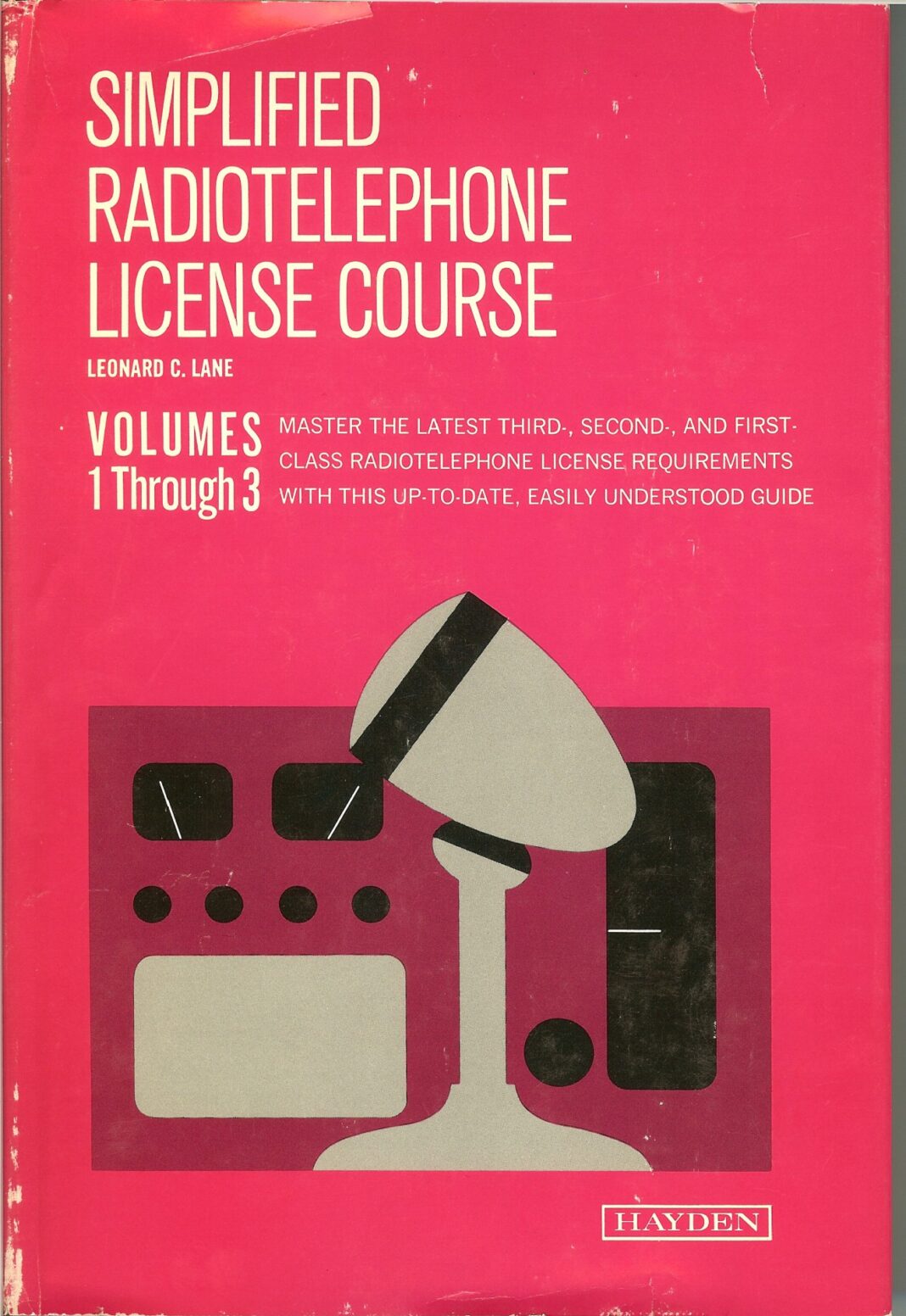
 The post-World War II era saw a surge in distance learning innovation. In 1945, Leonard C. Lane launched the National Home Study School and The School of Radio & Television, Inc., providing veterans with education tailored to their needs using modern media tools.
Television entered the scene in 1953 when the University of Houston offered courses through broadcast TV, bringing education into living rooms. By 1965, the University of Alberta embraced early computer technology with IBM 1500 computers, paving the way for online learning.
In 1969, the UK Labour Government established Open University, a visionary project combining correspondence materials with television and radio broadcasts. This initiative dramatically expanded access to higher education for adult and part-time learners.
The 1990s marked the digital revolution of education. With the rise of the internet, colleges and universities began offering online courses, allowing students worldwide to connect with instructors and access materials anytime, anywhere.
The Digital Transformation
Today, distance learning is synonymous with digital platforms like Zoom, Google Classroom, Blackboard, and Microsoft Teams. These tools have redefined how education is delivered, offering features like live classes, recorded lectures, and interactive assignments. The COVID-19 pandemic further accelerated this shift, making virtual learning a necessity for millions.
Modern distance learning prioritises flexibility, accessibility, and collaboration. Whether pursuing a degree, upskilling for a career, or diving into a new hobby, learners now have unparalleled opportunities to engage with education on their terms.
Shaping the Future
Distance learning’s 300-year history is a testament to its ability to adapt and thrive in the face of changing times. From Caleb Phillips’s mail-order lessons to today’s AI-driven platforms, this educational model has consistently bridged gaps and opened doors for learners everywhere.
As we look to the future, emerging technologies like artificial intelligence, augmented reality, and virtual reality promise to revolutionise distance learning even further. These tools will make education more immersive, interactive, and personalised than ever before.
One thing is clear: distance learning will continue to break barriers, connecting people to knowledge and opportunities regardless of location. Its legacy of innovation ensures it remains a vital component of education for generations to come.

