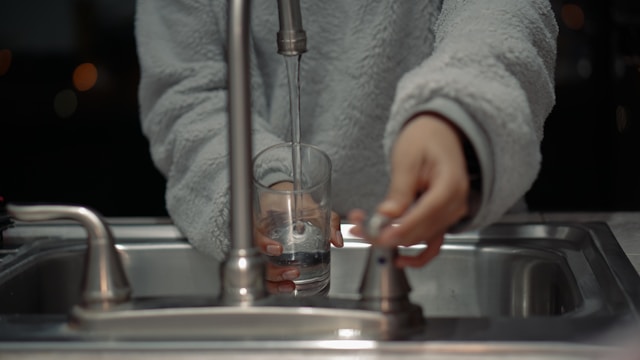

Turning on the tap should not be rocket science, but water pressure involves a complex network of forces. The plumbing system in a home must have consistent and balanced pressure to supply clean water and to prevent failures. Leaks, noise, low flow, and more serious issues all result when the delicate balance between system pressure and resistance changes. But knowing how pressure works and what creates those shifts empowers homeowners to identify pressure issues early. Homeowners can also take steps to plan ahead for a strong and balanced plumbing system.
Residential homes receive water either from a municipal supply or from a private well. The pressure in the main supply line changes based on location, elevation, the time of day, and seasonal demand. In homes where the water company can maintain a constant supply, pressure still often fluctuates in the main due to usage from adjacent houses or apartments. Changes in pressure occur when neighbors use high-demand appliances, turn on irrigation systems, or when municipal pumps cycle on and off. These demand changes create pressure fluctuations that the home’s plumbing system must buffer. Keeping pressure within a safe range for fixtures and appliances usually means between forty and sixty psi (pounds per square inch).
The best way to maintain a stable and safe pressure is with a pressure reducing valve, or PRV. You can always speak to Mister Plumber Toronto to get more insight on all plumbing needs. This small device takes high pressure from the main line and balances it out before water flows to the rest of the home. This important valve is a major influence on long-term plumbing system health. High pressure without a PRV strains every pipe fitting and fixture in the house. Appliances such as toilets create more noise, water heaters erode faster, and supply lines wear out more quickly. Even high-quality fixtures and materials will have a shorter lifespan if the plumbing system consistently experiences higher pressures.
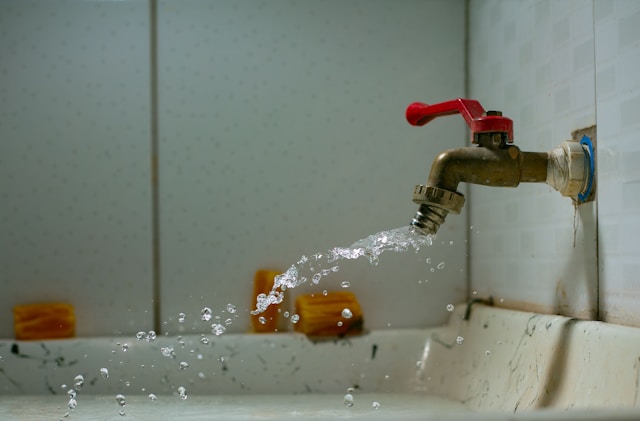
Low pressure causes a different set of issues. A weak flow makes showering less satisfying, reduces dishwasher efficiency, and lengthens the time it takes faucets to rinse sediment out of aerators. Low pressure can result from clogged pipes, local restrictions, faulty valves, or scale buildup inside the home’s water heater. Low flow can also occur if the demand is restricted too much, as is common with newer low-flow showerheads and faucets. These fixtures save water and are good for the environment, but the restrictors can make a pressure imbalance more pronounced.
Pressure surges, also called spikes, have an even more negative effect on plumbing system performance than constant high pressure. Spikes in water pressure usually occur when a valve shuts off suddenly, and the kinetic energy of the moving water collides with the interior walls of the pipe. This reaction is called water hammer. A water hammer causes a loud banging noise and a force that shakes the pipe. The repeated shocks loosen joints and damage connections over time. Most properly designed systems have water hammer arrestors built into the plumbing to mitigate these damaging effects. Without arrestors, shock loads can damage PEX and copper pipe as well as early failures in washing machines and other appliances.
Pipe diameter also affects both pressure and flow rates. Narrower pipe means more resistance, which means less flow at the fixtures. Larger mains or branch lines allow for stronger flow throughout the house. Larger homes and those that have added on over time often have undersized pipe that struggles to maintain a consistent pressure. When more than one shower runs, the pressure drops so much that it becomes noticeable. Replacing undersized lines can help even out the pressure in the house. This will also help with appliance performance and noise that is caused by turbulence in the lines.
Ageing pipe materials create their own unique pressure issues. As the pipes age, minerals from water build up on the interior walls. The mineral buildup decreases the effective diameter of the pipes, which increases resistance and decreases flow. Copper lines tend to accumulate mineral buildup over time, especially in areas with hard water. Galvanized steel pipe corrodes from the inside out, and the new rough surfaces slow down water movement. These changes to the plumbing system create the feeling of low pressure, even when the incoming supply remains the same. Replacing old pipe with new material helps restore original flow and prevent the leaks that tend to occur as corrosion continues.
Temperature also affects water pressure. Hot water expands when heated. Cold water that enters a water heater requires more space once it heats up. If the plumbing system is closed without an expansion tank, the extra volume from heated water pushes back against the system. This effect causes an increase in pressure throughout the entire house whenever the water heater turns on and heats water. Over time, this increase in pressure can cause valve failures and leaks around fittings. An expansion tank is designed to absorb the increased volume from the water heater and keep pressure stable.
Noise and pressure issues are also closely related. Higher pressure means faster-moving water. When this fast-moving water hits sharp turns, rough interior surfaces, or partially closed valves, turbulence occurs. This turbulence creates a hissing or whistling sound. Pipes that are not properly strapped to studs or joists will vibrate against these surfaces. The vibration sounds worse than it actually is because it echoes through the drywall and framing. Securing the pipe in place and smoothing interior flow paths will eliminate much of the noise and increase stability.
Uneven pressure at various fixtures is another common problem. If some fixtures have great flow while others have low pressure, it usually indicates the branch lines have varying levels of resistance. Causes can include older valves that have not been replaced in years, partial clogs, or pipe runs that have too many tight bends. Hot water lines often have more problems because minerals build up faster as heat accelerates chemical reactions. An inspection will often reveal the problem areas, and partial repipes often fix the problem instead of having to replace all the plumbing.
Leaks are often the end result of pressure issues, not the cause. If a homeowner notices a small leak at a joint or pipe, it can indicate the system has experienced excessive stress for years. Higher pressure accelerates the degradation of rubber seals inside of valves and faucets. It also puts more force on threaded pipe connections. Early detection of pressure problems can prevent structural damage, mold, and costly restoration. A pressure gauge is a simple tool that homeowners can use to keep an eye on the system. The home can be tested at the hose bib or a washing machine outlet to see if the incoming pressure stays within the safe operating range.
Water pressure also interacts with other filtration, softening, and treatment devices that are commonly installed. Every additional system that the water must flow through creates some additional resistance. If the water softener, for example, is not sized properly, the home will experience a drop in pressure across the filter. This reduction causes weak showers and can cause stress to pumps. Sediment filters clog more quickly in areas with higher levels of particulates in the water supply. Carbon filters create more pressure drop as they age and begin to get clogged with minerals. Routine maintenance of these devices is required to keep them from impacting pressure throughout the home.
Water pressure dynamics are a little different for homes with well water. A pump generates pressure instead of relying on municipal supplies. The pressure switch determines when the pump should turn on and off. If the pressure tank becomes waterlogged or loses air pressure, the pump will cycle on and off more frequently. Frequent cycling decreases pump life and creates visible pressure drops. A healthy pressure tank should create a smooth flow and prolong the life of the entire system.
Strong pressure system design starts during the construction phase. Builders must consider the pipe size, material, fixture flow rates, number of appliances, hot water demand, and even planned future expansions. Homes with multiple stories require special attention to keep upper floors from having low pressure. Homes with large irrigation systems need to ensure proper separation and dedicated lines so that indoor fixtures do not suffer when the sprinklers are in use.
Good pressure management also ensures the water heater, dishwasher, washing machine, and refrigerator with ice maker last longer. These appliances are sensitive to pressure spikes and have small internal valves. A more stable pressure keeps them from failing early and requiring costly repairs.
Water pressure is something homeowners rarely think about, but it has a major impact on how fixtures feel and how long the plumbing system will last. Balanced pressure helps keep pipes quiet, reduces leaks, improves appliance performance, and allows the home to run more efficiently. Building a stable system starts with proper controls, good materials for the pipes, and proper installation practices. With these elements in place, a home can have steady and reliable water flow for years to come.

