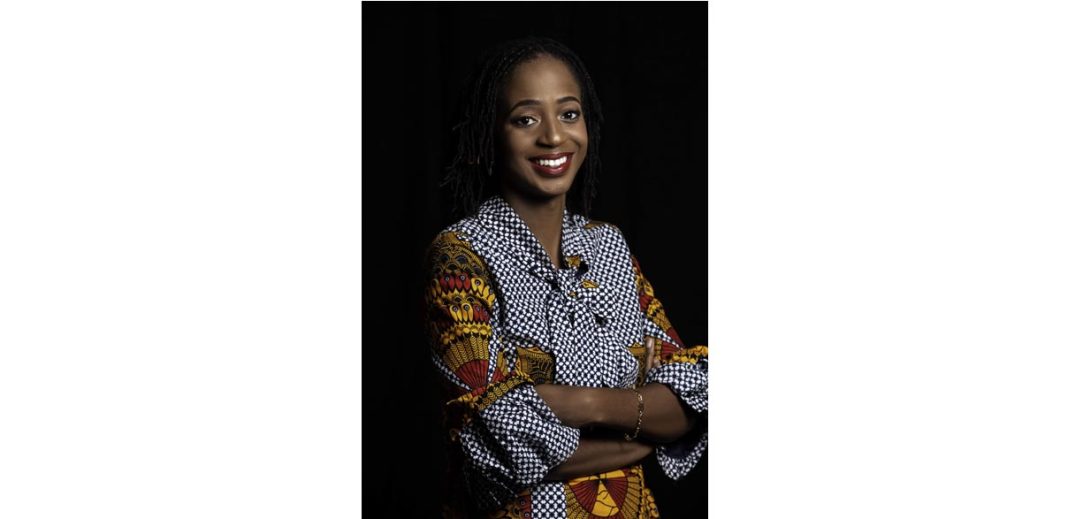

Selamile Dlamini represents a new generation of leaders who are rethinking how large organizations and social systems evolve. With a background that blends engineering, strategy, and human-centered design, she works at the intersection of data, empathy, and systems thinking. Her approach focuses on designing transformation that lasts-change that not only moves numbers but also reshapes how people experience progress.
For Selamile Dlamini, transformation succeeds when structure meets humanity. She often describes it as “empathy combined with architecture,” a balance that allows organizations to change without losing their sense of purpose. Over the past decade, she has guided strategic growth programs and innovation portfolios across markets in the United States, Africa, and beyond, emphasizing that the most enduring results come from aligning people, technology, and process.
Her perspective is shaped by a global career that crosses sectors and cultures. Whether she’s helping design frameworks for inclusive growth or advising leaders on organizational alignment, Selamile Dlamini focuses on the systems that make progress possible. She believes that real change begins with understanding the lived experiences of those affected. “People are the core of every system,” she says. “Any strategy that ignores human behavior and context is destined to fail.”
This philosophy has guided her work in designing programs that bridge the local and the global. While leading initiatives across sub-Saharan Africa, she learned that sustainable impact depends on adapting to context while building on shared human motivations. “There’s no single blueprint for change,” she notes. “What works in one place might fail in another unless you design for both universality and specificity.”
Technology also plays a central role in her thinking. Selamile Dlamini views it as a bridge rather than an endpoint-a way to scale insight without losing empathy. She emphasizes that digital systems can amplify inclusion if designed around real human needs. “Technology is only as effective as the people and values behind it,” she explains. “It should extend human capability, not replace it.”
Her leadership philosophy blends analytical discipline with creative curiosity. Selamile Dlamini often draws from both scientific and artistic traditions, using data to frame decisions and narrative to inspire shared understanding. She encourages her teams to approach leadership as a blend of logic and imagination, where structure enables rather than constrains creativity.
In an era where artificial intelligence, automation, and rapid innovation are redefining industries, Selamile Dlamini’s perspective stands out for its balance. She argues that systems can only be truly intelligent when they remain human at the core. “Empathy is not soft,” she says. “It’s strategic. It ensures that transformation serves people, not just profits.”
Selamile Dlamini’s work points to a future where leadership is measured not only by growth metrics but by the ability to design systems that endure and uplift. Her message is clear: progress must be intentional, inclusive, and deeply human.

