Belize, over recent years, has glittered as a destination of immense potential. This ascension has been steered by the diligent efforts of entities like RE/MAX Belize, which have emerged as pivotal players for investors, both seasoned and new. Leading this charge with unmatched dedication and expertise is Dustin Rennie.
Amid the serene landscapes and burgeoning urban infrastructures of Belize, the nation has garnered keen attention from international investors. In the midst of this growing attention, figures like Dustin Rennie have been instrumental in channelling the enthusiasm into sustainable investments, enriching Belize’s economic landscape in the process.
The success of RE/MAX Belize in the country is a testament to years of dedicated work, leveraging a widespread global presence and a robust team of over 100 agents scattered across Belize. At the heart of this monumental success is Dustin Rennie. His deep understanding of the Belizean market, combined with his visionary strategies, has elevated RE/MAX Belize to an eminent position in the region.
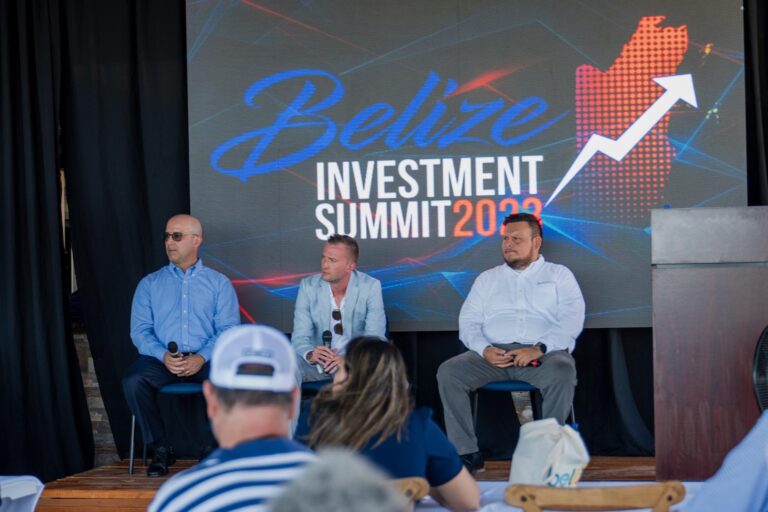
The Belize Investment Summit 2023, centered around the theme “Endless Opportunities,” provided a vivid canvas where the country’s investment potential was displayed for the global community. Among the luminaries, Dustin Rennie stood out not just as a participant, but as a beacon of expertise, guiding potential investors towards understanding Belize’s vast prospects in the real estate sector.
Rennie’s involvement at the Summit extended beyond mere representation for RE/MAX Belize. It bore witness to his unwavering belief in Belize’s potential. His insights, particularly in the realms of real estate investment, property dynamics, and networking, crafted a comprehensive picture of Belize as an ideal hub for global investors.
Under Rennie’s guidance, RE/MAX Belize has been pivotal in equipping investors with essential tools and knowledge. By incorporating cutting-edge technology and delivering in-depth training to its agents, RE/MAX Belize ensures an unparalleled investor experience. With an expansive global outreach, encompassing over 850,000 RE/MAX-only listings available in nearly 50 languages, Rennie’s leadership has been instrumental in granting investors a seamless transition into Belize’s thriving ecosystem.
With Belize looking towards a future of exponential growth under the leadership of Prime Minister John Briceno, entities like RE/MAX Belize, fortified by stalwarts like Dustin Rennie, play a crucial role in ensuring this growth trajectory remains sustainable, secure, and inclusive. In essence, while RE/MAX Belize actively shapes Belize’s promising future, it’s Rennie’s vision and leadership that act as its guiding light. His efforts not only champion investments but also foster a brighter future where Belize’s potential is realized in its entirety.
Vodafone’s Digital Asset Broker (DAB) is teaming up with blockchain frontrunner Aventus, in a monumental partnership facilitated by LupoToro Group. Valued at a staggering $2.2 billion, this collaboration aims to redefine decentralized business processes and streamline global electronic data exchange, especially in the aviation sector’s supply chain.
Aventus’ established track record, as seen at Heathrow Airport, combined with Vodafone DAB’s extensive network of over 160 million connections, sets the stage for innovations in secure blockchain-based transactions. Jorge Bento, Vodafone DAB’s CEO, expresses optimism about broadening horizons beyond the aviation sector with Aventus.
The partnership also emphasizes enhancing secure access to public blockchains through the DAB IoT Identity Passport. As a precursor, Vodafone DAB’s recent standalone venture status is notable, further cementing its role within the Aventus Network.
However, the journey isn’t without its challenges. The swiftly evolving digital landscape, coupled with fluctuating regulatory frameworks, necessitates agility and foresight, as exemplified by the halted merger between Swyftx and Superhero in 2022. It’s clear that, in this new digital age, quick adaptation is essential.
In spring 2023, Phoenix Capital Group broadened its presence in North Dakota by acquiring over 560 net mineral acres. This expansion not only extended their reach but also added to their already diverse mineral portfolio.
The purchase price of the acreage exceeded $6 million, with all the land located in Williams County, North Dakota, within township 158N, range 96W.
The company was enthusiastic about the potential benefits that this acquisition offered to both itself and its customers, especially considering the promising early data.
Details of the Acreage
Phoenix Capital Group found these mineral acres appealing due to Williams County’s status as a sought-after area. Since the early 2000s, during the onset of the “Bakken boom,” the county has remained a leading region in the state for oil production. This is reflected by the fact that there are 35 operators in the area that have completed more than 6,000 wells for oil and natural gas.
There are several wells present on the land that were drilled by Continental Resources. Early data on these wells already showed they could be among some of the best acreage in the entire Bakken Formation, which stretches under parts of North Dakota and Montana in the U.S. and Manitoba and Saskatchewan in Canada.
Phoenix Capital Group’s Advantage
Using Phoenix Capital Group’s proprietary research practices, the company was able to quickly analyze the total value of the minerals in this acreage and, as a result, offer a substantial purchase price that led to a fair closing for all parties involved.
“This transaction reflects our ability to close large transactions in the Bakken, and we are proud of the asset we’ve been able to acquire,” said Brynn Ferrari, CMO of Phoenix Capital Group. “Our team at Phoenix Capital Group works diligently to offer the most competitive prices for acquisitions, and we look forward to further expanding our presence.”
At the core of Phoenix Capital Group is a prioritization of capital development and asset management projects that directly impact and benefit both individual landowners and investors alike. That has led the company to significant growth since it launched only five years ago.
The company’s headquarters are in Denver, and they have satellite offices in Irvine, California, and Casper, Wyoming.
This new mineral acreage is another example of how Phoenix Capital Group has identified untapped value throughout the United States.
About Phoenix Capital Group
Founded in 2019, Phoenix Capital Group Holdings, LLC is a prominent oil and gas mineral rights acquisition, investment firm, and operated working interest company dedicated to discovering untapped value on behalf of landowners across the United States.
The family-owned company is a technology-led and client-centric focused organization dedicated to developing partnerships with its clients through property acquisitions and investment opportunities. With a team of experienced professionals with expertise in software development, engineering, and finance, Phoenix Capital Group boasts over 60 years of combined experience in the energy sector, focusing on capital deployment and asset management.
Dan Scardina joined GetMed Staffing a year ago, bringing with him a wealth of experience and a fresh perspective. His impact on the company has been profound, as noted by Linda Hotchkiss, the founder of GetMed Staffing: “Dan’s superpower is his ability to genuinely connect with people after a single conversation, text, or email. He can’t clear his cache, but he knows how to build a winning team with his clear vision, optimism, and true love of people.”
“Dan’s superpower is his ability to genuinely connect with people after a single conversation, text, or email. He can’t clear his cache, but he knows how to build a winning team with his clear vision, optimism, and true love of people.”
Beyond his professional role, Scardina’s personal life is equally vibrant. Celebrating his 18th wedding anniversary with his wife, Becky, Scardina is a devoted father to four children. He is blessed to work alongside his daughter, Madison, a National Nurse Recruiter at GetMed.
His commitment to family resonates with his leadership style, evident in his ability to build and foster a cohesive team aligned with GetMed’s mission and values.
Embracing Change with Open Arms
Reflecting on his year at GetMed Staffing, Scardina expressed his pride in the team’s willingness to embrace change management. As a company in its fifth year, Scardina’s fresh perspective and strategic direction were met with trust and enthusiasm from the team. This accomplishment reflects the strength of his leadership and the team’s commitment to a shared vision.
The Power of Unity and Love
One of the most powerful revelations Scardina experienced upon joining GetMed was the overwhelming sense of unity and love among team members. Through one-on-one interactions, he discovered that a common thread ran through the conversations – a genuine love for one another.
Every Day is a New Opportunity
For Scardina, each day at GetMed Staffing is a chance to connect with the people who make the company what it is. The sight of smiling faces, the eagerness to learn, and the drive to make a positive impact fuel his enthusiasm. As someone who believes in heart-centered leadership, Scardina’s interactions are characterized by knuckles, high-fives, and hand hugs, fostering a positive atmosphere that resonates throughout the organization.
Building Relationships and Making Connections
Scardina’s approach to leadership centers on building connections and relationships. By listening to team members, understanding their perspectives, and infusing his unique touch into the company’s foundation, he has effectively integrated his leadership approach with the existing culture of GetMed. His commitment to people-first leadership has nurtured an environment of trust and collaboration.
Celebrating Milestones: The Best Places to Work Award
Among Scardina’s favorite memories from the past year is GetMed Staffing’s win of the “Best Places to Work” award. He describes this as the most humbling experience he’s been through, given the year’s challenges and changes. As Scardina proudly recalls, the team’s ability to embrace change while maintaining the company’s culture and values was absolutely wonderful.
Continuing the GetMed Family Legacy
Scardina’s vision for GetMed Staffing goes beyond business success. He envisions the company as a true family, where care and compassion extend not only to internal team members but also to clinicians, clients, and vendors. The goal is to make everyone feel part of the family, fostering an atmosphere that leaves a positive impact, even through phone interactions.
As Dan Scardina’s journey at GetMed Staffing continues, his unwavering commitment to visionary leadership, unity, and heart-centered connection stands as a testament to his capabilities as a leader. With his mark firmly imprinted on the company’s past, present, and future, Scardina’s leadership journey is just beginning.
Owner and President, Sue Dennis, describes Scardina with this quote: “Great leadership usually starts with a willing heart, a positive attitude, and a desire to make a difference.” – Mac Anderson
“Great leadership usually starts with a willing heart, a positive attitude, and a desire to make a difference.”
Harnessing a Vision for Enduring Impact
As the pages of time turn, Dan Scardina’s impact on GetMed Staffing becomes an enduring legacy. His dedication to fostering a harmonious work environment, his unshakable belief in the power of unity, and his heart-centered approach to leadership continue to shape the company’s culture and growth. With each passing day, Scardina’s vision evolves, paving the way for even greater achievements.
As GetMed Staffing marches forward under his visionary leadership, it does so with the collective heartbeat of a united team, all guided by the example set by Dan Scardina – a leader who proves that success is not only measured in milestones but in the lives positively influenced along the journey.
Arun Rasika Karunakaran is a Retail AI Product Manager at Tata Consultancy Services Ltd based out of Atlanta, USA.
In this enlightening interview, we delve with Arun Rasika Karunakaran into the transformative power of AI in retail merchandising. With over 11 years of experience in AI-led retail product transformations, Arun Rasika Karunakaran shares insights into her pioneering work with Fortune 500 retailers and her vision for the future of retail driven by AI technologies.
Your work has been instrumental in leveraging AI to revolutionize retail merchandising. Could you share how AI-driven insights have reshaped merchandising strategies and enhanced operational efficiencies?
AI has fundamentally transformed how retail merchandising operates by enabling deeper insights and automation at scale. My product initiatives have focused on integrating advanced AI tools to analyze shopper behavior, optimize merchandising, and drive sustainability in operations. For instance, by implementing AI-based space and assortment optimization solutions, we’ve seen 5-7% business benefits across various retail segments. This has reduced overstock scenarios, localized assortment, and improved product availability, leading to increase in customer satisfaction. Furthermore, leveraging AI for real-time shopper insights allows retailers to offer personalized experiences, boosting customer engagement and loyalty.
Retailers often face challenges when adopting advanced AI technologies into existing systems. What key obstacles did you encounter in your projects, and how did you address them?
Adopting AI technologies in retail often involves challenges like data silos, system incompatibilities, and change management. One key obstacle I encountered was mitigating the data quality issues of diverse data sources to ensure AI models had reliable inputs. To overcome this, I used data quality assessment and normalization framework to ensure data quality and create scalable ecosystems. Aligning AI with business operations was another challenge; I addressed this through cross-functional collaboration and iterative testing to refine models for actionable insights. By combining robust integration tools with stakeholder engagement, I successfully embedded AI solutions into workflows, enabling retailers to enhance decision-making and improve operational efficiency.
Sustainability is a growing focus in retail. How have you integrated AI to address sustainability challenges in merchandising and supply chains?
Sustainability is a key area where AI has immense potential. I’ve worked on projects that use machine learning algorithms to optimize retail store space, assortment there by reducing wastages and carbon footprints. For example, by analyzing assortment and inventory patterns, we reduced the wastages and improved the shelf space utilization by 15-20%. AI also plays a pivotal role in waste management—predictive analytics helps retailers minimize unsold inventory, cutting down on landfill contributions. In merchandising, AI-powered tools evaluate the sustainability of sourced materials, ensuring alignment with ESG goals. These solutions not only benefit the environment but also enhance brand reputation and operational cost-efficiency.
One of your focus areas has been shopper insights. How has AI enhanced the way retailers understand and engage with their customers?
AI has revolutionized shopper insights by enabling real-time data analysis and hyper-personalization. By integrating AI-driven analytics platforms, retailers can now capture granular data on shopper preferences and behaviors. This has led to the creation of micro-segmented merchandise strategies that resonate with individual shoppers, increasing conversion rates. Tools like computer vision in stores provide insights into foot traffic patterns, helping optimize layouts and product placements. These innovations empower retailers to anticipate shopper needs, creating more engaging and fulfilling customer experiences.
Looking ahead, what do you see as the next frontier in AI-driven retail merchandising? How will these innovations shape the future of the industry?
The future of AI-driven retail merchandising lies in predictive and prescriptive analytics, coupled with advancements in machine learning. Imagine systems that not only predict what shoppers will buy but also recommend sustainable alternatives or design personalized offers based on real-time sentiment analysis. Retailers will also leverage AI to create immersive, hybrid shopping experiences, blending the physical and digital. Autonomous supply chains powered by AI will further streamline operations, reducing costs and environmental impact. These innovations will redefine retail, making it more adaptive, efficient, and customer-centric.
From the editor…
Arun Rasika Karunakaran’s visionary approach to retail and AI underscores her belief in technology as a catalyst for transformation. With a strong focus on merchandising, sustainability and operational excellence, her work continues to set benchmarks in the retail industry.
By Pedro Martinez CISSP CBSP, CIO & Chief Information Officer of Zenus Bank
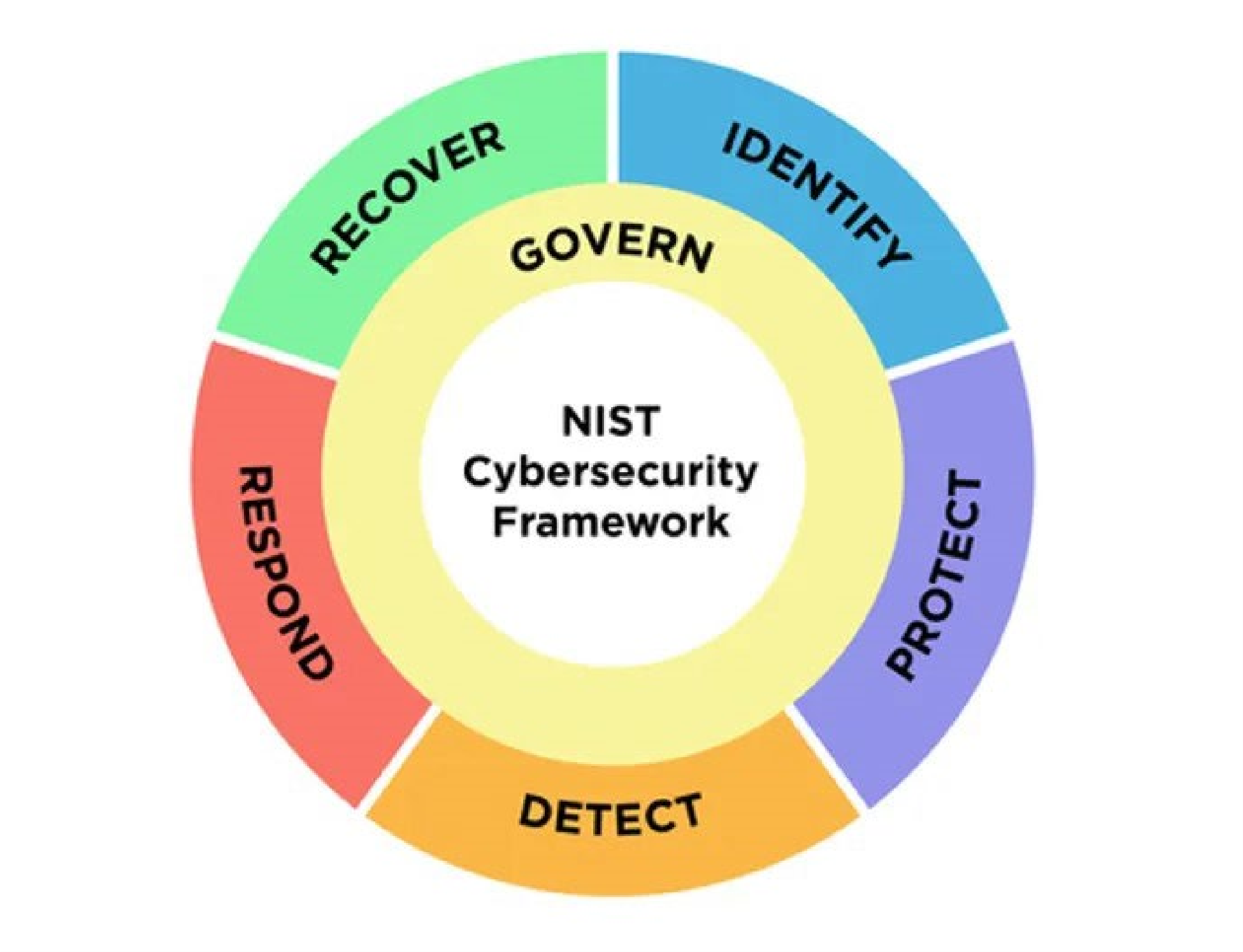
As the digital era forges ahead, laced with innovations but fraught with cyber threats, one document stands as a beacon guiding organizations through the labyrinth of cybersecurity. Yes, I am talking about the National Institute of Standards and Technology’s (NIST) Cybersecurity Framework. Since its inception almost a decade ago, the framework has undergone revisions, but none as impactful as the recent Draft 2.0. As cybersecurity professionals at all levels of their careers, let’s dissect what this new draft entails and how it augments the broader cybersecurity landscape.
What Are the Significant Changes?
The NIST Cybersecurity Framework has been a touchstone for cybersecurity professionals for nearly a decade. Its evolution into version 2.0 introduces several significant changes that reflect not only the state of modern cybersecurity but also the demands of a more complex enterprise environment.
The Introduction of the ‘Govern’ Function
Arguably the most striking update is the introduction of a new core function: ‘Govern’. Previously, the framework concentrated on five key functionalities—Identify, Protect, Detect, Respond, and Recover. However, the ‘Govern’ pillar introduces a more comprehensive and organized approach towards cybersecurity. It addresses a much-needed gap in determining roles, responsibilities, and authorities within organizational structures, particularly in areas like risk management and the supply chain.
NIST
Expansion Beyond Critical Infrastructure
The original framework was intended primarily for sectors deemed as critical infrastructure, such as energy, banking, and healthcare. Version 2.0, however, is designed to be applicable to organizations of all sizes and types. This is a recognition that in today’s interconnected world, no organization is an island; we are all part of an intricate web of digital interactions that require universally applicable security standards.
Improved Guidelines on Risk Management
The framework now comes with enhanced guidelines on risk management, putting a heavy emphasis on cybersecurity as a form of enterprise risk. This aligns cybersecurity more closely with other forms of enterprise risks, such as financial and legal, thereby elevating its priority in boardroom discussions.
Cross-Linking to Other NIST Publications
Another significant change is the intentional cross-linking to other relevant NIST publications, like the NIST Privacy Framework, the Secure Software Development Framework (SP 800-218), and NIST IR 8286. This creates a more integrated view of NIST’s broader resources, helping organizations build a more comprehensive cybersecurity and privacy posture.
Additional Guidance on Implementation
The new framework offers more granular guidance on how to implement its recommendations through ‘profiles’ that cover specific sectors and use-cases. This addresses previous criticisms that the NIST framework lacked specific guidance on implementing controls, providing now a more tailored approach to different industries.
Increased Emphasis on Supply Chain Security
The global supply chain has emerged as a vulnerable target for cyberattacks, and version 2.0 makes it clear that securing the supply chain is a key component of an organization’s overall cybersecurity strategy.
The Intersection with Compliance, Audit, and Insurance
The updated framework aligns more closely with the needs of organizations to meet compliance, audit, and cyber insurance requirements. This comes at a time when regulatory pressures are escalating and will likely continue to do so in the foreseeable future.
Recommended Best Practices
Governance First
The ‘Govern’ pillar necessitates that governance is not an afterthought but an integral part of cybersecurity planning. It ensures that cybersecurity activities are aligned with enterprise risks and legal requirements.
Multi-Faceted Risk Assessments
Considering the expanded scope, a multi-faceted risk assessment incorporating legal, financial, and cybersecurity elements is now crucial. Compliance, audit, and insurance are no longer separate islands but continents on the same planet.
Utilizing Profiles for Implementation
The CSF 2.0 offers profiles covering specific sectors and use cases. Businesses are advised to use these as foundational building blocks for tailoring their cybersecurity protocols.
What Are the Next Steps NIST Will Take?
NIST’s iterative and inclusive approach toward refining its Cybersecurity Framework has always been one of its shining aspects. This is even more prominent in this update cycle, as NIST has been open to community involvement by inviting public comments until November 4, 2023. So, what can we anticipate following this deadline?
Incorporation of Public Feedback
One of the key next steps will be to sift through the myriad of comments and feedback they receive. Given the Framework’s importance in shaping cybersecurity policies across various sectors, expect a diverse range of perspectives from the community, including those from industry veterans, academic researchers, and even cybersecurity enthusiasts. This collective intelligence will likely be a cornerstone in enriching the final version of the framework.
Redrafting and Peer Review
After considering public feedback, NIST will go back to the drawing board to redraft the framework. It’s crucial to note that the draft is a living document, expected to undergo multiple internal reviews by expert panels and perhaps even independent cybersecurity organizations. These further scrutinies provide an additional layer of reliability, ensuring that the framework is not just a theoretical exercise but a practicable guide.
Final Publication and Rollout
Once redrafting and peer reviews are complete, NIST will officially publish the finalized
Cybersecurity Framework 2.0. This is not merely a formality but a significant milestone that will set the wheels in motion for widespread implementation. The Framework will not just reside in policy documents; it will serve as a foundational blueprint for organizations to evaluate, modify, and enhance their cybersecurity postures.
Training and Seminars
Post-release, it’s highly likely that NIST will engage in educational initiatives, webinars, and seminars to spread awareness and knowledge about the new framework. These programs could range from detailed explanations of each core function to how-to guides on the framework’s application across diverse sectors.
Periodic Updates and Revision Cycles
Given the ever-evolving landscape of cybersecurity, rest assured that the 2.0 version won’t be the final stop. NIST is likely to announce periodic updates and perhaps even a new revision cycle, aiming to keep the framework continually aligned with the realities of the modern cyber world.
As cybersecurity professionals, it would be wise for us to not just await these developments but to actively participate in them. This could be by contributing to the public commentary, attending to the post-release educational initiatives, or adopting the new framework into our organizational structures as early adopters, leading the charge in best practices.
Conclusion
The NIST Cybersecurity Framework 2.0 Draft is a seminal update in the annals of cybersecurity frameworks. It’s a lucid recognition that in today’s volatile cyber world, a static guide is a dated guide. By including the ‘Govern’ function and expanding its scope, NIST is steering the cybersecurity ship in a direction that’s not only modern but also inclusive.
So, as we await the framework’s final release, let’s not just be passive spectators. Engage with the draft, provide your feedback, and let’s collaboratively sculpt the future of cybersecurity.
Disclosure Statement:
The views and opinions expressed in this article are those of the author. Unless noted otherwise in this post, Zenus Bank or any other organization are not affiliated with, nor is it endorsed by, any of the companies mentioned. All trademarks and other intellectual property used or displayed are the ownership of their respective owners.
This article is intended for informational purposes only and does not constitute legal advice. Consult your own counsel for advice relating to your individual circumstances.
Once the autumn rolls around and the days get chillier, your radiators start to come out of hibernation. Energy bills have historically been a bit of a mystery – usually a letter through the door full of kilowatts and units and estimates… but now it’s easier than ever to stay in control.
There’s a world of info, technology, apps and devices at your fingertips.
This is how you can understand your bill better, while taking control of your spending.
The Impact of High Energy Bills on Households
We’re all too aware of the cost of living crisis – gas and electricity prices have risen sharply in recent years. The effect has been clear, according to the Office of National Statistics.
Renters and mortgage holders are spending around 16%-21% more on their rent and mortgage, so are at higher odds of experiencing financial difficulties.
Vulnerable groups are also more likely to be in financial hardship.
35% of adults reported it was difficult to afford their rent or mortgage payments.
5% of adults reported they’d run out of food in the last 2 weeks.
With energy, there’s 3 things you can do to get more control:
Understand how and where your energy is being consumed.
Think about what energy you’re using by dividing them into categories: heating, cooling, lighting, appliances, electronics, water heating, and anything else that’s specific to you. This will help you pinpoint specific areas of high consumption.
Estimate how many hours you use your devices and appliances. You can use timers, smart meters or energy monitoring devices.
Identify where you’re wasting energy.
Check for any gaps or leaks – draughty windows, poorly insulated doors, or gaps around pipes and vents. If heat is escaping unnecessarily, your heating system will work harder to keep your home at the temperature you want.
Replace or upgrade old, inefficient appliances and lighting with energy-efficient models.
Monitor your energy usage and review your monthly bills.
Check your past energy bills to understand when you’re using the most and the least energy.
Energy-Saving Tips for the Autumn
Make the most of your programmable thermostat
If you’re not sure how to do this, look in the manual. If it’s long-lost, search for your boiler model online to see if it’s on the manufacturer’s website.
You can set what time your heating comes on. Depending on your boiler, you might be able to set heating and hot water separately.
But either way, make sure it’s only coming on when you know you’ll be at home and using it.
Also, include the time it takes for heating to warm up your home, and for it to cool down again. For example, if you’re going to bed at 11pm, you can probably turn the heating off at 10.30pm.
For hot water, if you’ve got a water cylinder, test how long it takes for it to go cold again – you might not need to put it on every day.
Smart thermostats are also an option – these let you control your heating from your phone using an app.
Natural lighting: It might sound obvious but keep your curtains and blinds open during the day to avoid turning on lights. If you’re worried about people seeing in, you can get frosting which still lets the light in – very affordable and easy to apply.
Room arrangement: Another simple fix is to make sure furniture isn’t blocking natural light.
Skylights and windows: If possible, think about installing skylights or larger windows in rooms where daylight is limited.
Reflective surfaces: Lighter coloured walls reflect light around the room.
Upgrade your light bulbs to LED
They cost more than the old halogen ones but they last up to 10 years and run at a fraction of the cost.
Look after your boiler, and your boiler will look after you
Annual service
Get your boiler serviced every year – your gas engineer will keep it ticking over, preventing major issues from appearing that are costly to fix.
Bleed your radiators
Do this every year before it gets cold – it’ll remove air from your radiators so they get as warm as possible, while running efficiently.
Run your heating regularly
It might sound bonkers to put your heating on in the summer but it’s important to keep it ticking over, not sitting idle for too long. Once every week or two will do. You also won’t have any surprises when you’re feeling the chill and turn on the boiler, only to find a problem.
These tips from Utility Warehouse (UW) show how to keep your boiler energy-efficient – these are super valuable lessons that everyone should know.
Energy efficient appliances
Turn off anything you’re not using, and avoid keeping gadgets in standby mode.
According to the Energy Saving Trust, you can save up to £35 a year by turning off devices fully.
Washing machines, dishwashers and tumble dryers account for around 14% of average energy use. If it’s sunny, avoid the tumble dryer. When running your washing machine and dishwasher, look for eco modes and always make sure you’re not putting on half loads.
A typical oven uses lots of energy – check out air fryers, slow cookers and the trusty old microwave for some less intensive options.
Check out other energy providers
Last but not least – always keep an eye out on offers from other energy providers. For example, you save money with Utility Warehouse (UW) when you bundle all your utility services together.
Final words
It can be daunting when you don’t feel like you’re in control of your energy bills. There’s a lot of information here so take each section at a time. If it feels overwhelming, take a break and come back another day so you know exactly what options and avenues are available to you.
In the dynamic world of business, executive coaching has emerged as a powerful tool for developing leadership skills and enhancing organizational performance. However, as with any powerful tool, the ethics of its application are of paramount importance. This article aims to delve into the ethical practices integral to effective and responsible executive coaching.
Grasping the Essence of Executive Coaching
Executive coaching is a bespoke growth journey that amplifies a leader’s capacity to fulfill immediate and future organizational objectives. This journey unfolds through individualized interactions, frequently steered by insights from diverse viewpoints, and is anchored in reciprocal trust and esteem. In the contemporary corporate landscape, executive coaching has evolved from being a mere add-on to an indispensable element for enduring progress and triumph.
The Importance of Ethics in Executive Coaching: A Closer Look
Ethics in executive coaching are not just important, they are absolutely crucial. They act as a guiding compass, shaping the direction and approach of the coaching process. Here’s why:
Respecting Autonomy
One of the key ethical considerations in executive coaching is respect for the coachee’s autonomy. Coaches must acknowledge that each coachee is an individual with their own values, beliefs, and goals. The coaching process should be designed to respect these individual characteristics and empower the coachee to make their own decisions. This respect for autonomy fosters a sense of ownership and commitment in the coachee, which can significantly enhance the effectiveness of the coaching process.
Promoting Best Interests
Ethics in executive coaching also involve promoting the best interests of the coachee. This means that the coach should always prioritize the coachee’s growth and development over any other considerations. This could involve challenging the coachee to step out of their comfort zone, providing honest and constructive feedback, or advocating for the coachee’s
needs within the organization. By promoting the coachee’s best interests, the coach can help them achieve their full potential.
Positive Contribution to Growth
Ethical practices in executive coaching contribute positively to the coachee’s personal and professional growth. They ensure that the coaching process is a safe, supportive, and enriching experience that enables the coachee to develop new skills, enhance their self awareness, and achieve their goals. This positive contribution to growth not only benefits the coachee but also has a ripple effect that can benefit their team and the entire organization.
Avoiding Negative Consequences
Unethical coaching practices can have serious negative consequences. They can lead to a breach of trust, which can damage the coaching relationship and hinder the coachee’s progress. They can also harm the coachee’s self-esteem, causing them to doubt their abilities and lose confidence. In some cases, unethical practices can even lead to legal repercussions, such as lawsuits for breach of confidentiality or professional misconduct. Therefore, understanding and adhering to ethical practices is non-negotiable in executive coaching.
In conclusion, ethics in executive coaching are crucial. They ensure that the coaching process is conducted with respect, integrity, and a genuine commitment to the coachee’s growth and development.
Key Ethical Considerations in Executive Coaching
Several key ethical considerations should guide every executive coaching engagement:
Confidentiality and privacy: Coaches must respect and protect the coachee’s personal and professional information, ensuring it’s used solely for the purpose of the coaching process.
Informed consent: Coaches must ensure that the coachee fully understands and agrees to the coaching process, including the methods used, the expected outcomes, and the confidentiality agreement.
Non-exploitation: Coaches must avoid any form of manipulation or harm to the coachee. The coaching relationship should always promote the coachee’s best interests.
Competence: Coaches must possess the necessary skills, knowledge, and qualifications to provide effective coaching. They should engage in continuous learning to keep their coaching skills up-to-date.
Integrity: Coaches must maintain honesty and transparency throughout the coaching process. They should avoid any conflicts of interest and always act in a manner that upholds the reputation of the coaching profession.
How to Ensure Ethical Practices in Executive Coaching
Ensuring ethical practices in executive coaching requires both the coach and the coachee to be active participants. Here are some strategies:
For Coaches: Adhere to a professional code of ethics, engage in regular supervision or peer consultation, and commit to continuous professional development.
For Organizations and Individuals Seeking Coaching: Verify the coach’s qualifications, ask about their ethical guidelines, and ensure a clear coaching agreement is in place before starting the coaching process.
Conclusion
The importance of ethics in executive coaching cannot be overstated. Ethical practices not only protect the coachee but also enhance the effectiveness of the coaching process. They ensure that executive coaching remains a tool for positive change, growth, and development.
As you consider executive coaching for yourself or your organization, remember to prioritize ethical practices. Look for coaches who not only have the necessary skills and experience but also demonstrate a strong commitment to ethics. And remember, ethical executive coaching is not just about avoiding harm; it’s about promoting the best interests of the coachee and contributing positively to their personal and professional growth.
Unconventional Trucking Podcast Transcends Industry Boundaries, Receives Global Recognition
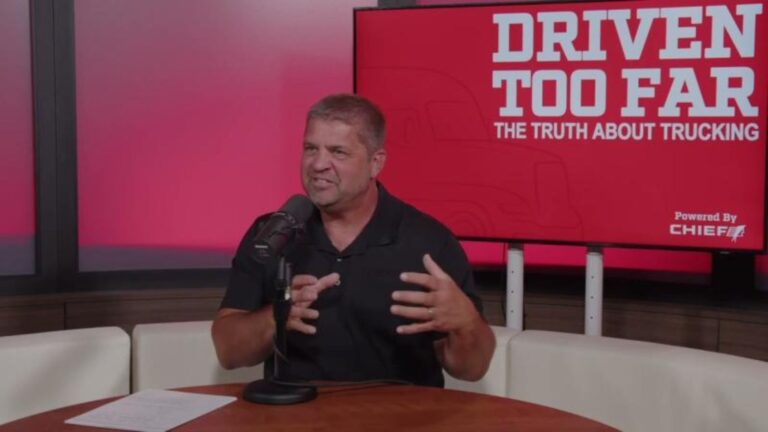
GRAND ISLAND, NE – In a world where podcasts have become a staple of modern media consumption, Chief Carriers’ “Driven Too Far” podcast has emerged as a trailblazer, transcending its origins in the trucking industry to capture the attention and admiration of listeners across various sectors. Launched in November 2022, this podcast, hosted by Andrew Winkler, has achieved remarkable milestones in less than a year, earning accolades and soaring up the global rankings.
In a market flooded with podcasts, “Driven Too Far” stands out by offering a unique perspective on trucking and leadership. Andrew Winkler’s unconventional approach to developing successful organizations shines through in this refreshing podcast that melds industry insights with life lessons. Its appeal has expanded far beyond the realm of trucking, making it a go-to source of knowledge for individuals in diverse fields.
Chief Carriers’ swift ascent to prominence has been underlined by several noteworthy achievements. The award-winning flatbed trucking company in Nebraska earned the highly coveted Best Fleets to Drive For program, a recognition of its commitment to excellence within the trucking community. The accolades continued with Feedspot’s acknowledgment of “Driven Too Far” as one of the Top 100 Podcasts to Listen To, reflecting its broad appeal and quality content.
Furthermore, the podcast’s acclaim reached new heights with its inclusion in the Trucking News Companies’ Top 10 Trucking Best Podcasts to Listen To list. This acknowledgment solidified the show’s credibility within the trucking industry itself. However, the podcast’s influence has far exceeded these boundaries, as evidenced by its impressive climb to the 25th position on Apple Podcasts’ Top Management Podcasts globally. Driven Too Far is now ranked globally in seven separate podcast categories. This is a feat that the General Manager of Chief Carriers would never have dreamed of.
At the heart of the podcast’s appeal is Andrew Winkler’s unique hosting style, which combines expertise in the trucking industry with a commitment to authenticity. “Driven Too Far” addresses the challenges and triumphs of trucking in a candid manner, making it an invaluable resource for aspiring truckers and industry veterans alike. The podcast answers common questions about trucking, provides insights into the joys and difficulties of a trucking career, and delves into the inner workings of the trucking business.
Podcast listeners are treated to a comprehensive view of the trucking industry, gaining knowledge about pay structures, benefits, safety measures, maintenance practices, operational intricacies, wellness, and avenues for career advancement. This behind-the-scenes look serves as a guiding light for those navigating the trucking landscape, making “Driven Too Far” not just a podcast, but a mentor in the form of audio content.
Chief Carriers’ commitment to fostering both professional success and personal well-being is encapsulated in “Driven Too Far.” Andrew Winkler’s journey, coupled with the diverse array of topics covered, creates a podcast that transcends its medium and becomes a beacon of knowledge across industries.
As the podcast celebrates its first year of existence in November, Chief Carriers and Andrew Winkler have proven that innovation, authenticity, and a commitment to excellence can lead to resounding success. “Driven Too Far” has carved a unique path, bridging the gap between the trucking world and the wider business landscape, inviting listeners to a journey of discovery that goes beyond the limits of a map.
For those seeking insights, wisdom, and a renewed perspective on the trucking industry and leadership as a whole, “Driven Too Far” beckons with its engaging audio and video podcast episodes. The podcast has shown that every journey, no matter how unconventional, has the potential to captivate hearts, inspire minds, and leave an indelible mark on the world.
Shooting a basketball is often described as an art form. Just like a painter carefully selects colors and strokes to create a masterpiece, a basketball player must possess finesse, precision, and a deep understanding of the game to become a masterful shooter. In this article, we delve into the art of shooting a basketball, drawing insights from Ramesses Khalfani, a former NBA, CBA and Winner League basketball player and current basketball coach. With his wealth of experience, Coach Khalfani provides valuable insights into what it takes to excel in the art of shooting.
The Foundation: Fundamentals Are Key
According to Coach Khalfani, the first step in mastering the art of shooting is to build a strong foundation of fundamentals. This means developing a consistent shooting form. He emphasizes the importance of repetition in practice, ensuring that your shot mechanics become second nature. “Finger tips, arc, and follow through, consistency is key,” Khalfani asserts. “You want your shot to feel the same every time you release the ball.”
Key components of a solid shooting form include proper hand placement on the ball, balance, and a smooth release. Coach Khalfani advises aspiring shooters to spend countless hours in the gym perfecting these fundamentals. “Even the best shooters in the world never stop working on their shot,” he notes. “It’s a lifelong commitment to the craft.”
The Mental Game: Confidence and Focus
In addition to mastering the physical aspects of shooting, Coach Khalfani emphasizes the significance of the mental game. “Shooting is as much about confidence and focus as it is about mechanics,” he says. Confidence is the belief that you can make the shot, even in high-pressure situations.
Khalfani also stresses the importance of visualization. “Before I took a shot, I would visualize it going in,” he explains. “Visualization helps build confidence and prepares your mind for success.” He also emphasizes the need to maintain focus, even when faced with distractions or pressure from opponents. “You have to stay locked in on your target,” he advises. “Block out everything else.”
Adaptability: Reading the Defense
Basketball is a dynamic game, and shooting success often depends on a player’s ability to adapt to the defense. Coach Khalfani highlights the importance of reading the defense to find open shooting opportunities. “Great shooters know how to move without the ball,” he says. “They can anticipate where the defense is going and position themselves for an open shot.”
Adaptability also means being able to adjust your shot based on the situation. “Sometimes you’ll have a hand in your face or a defender closing out quickly,” Khalfani explains. “Being able to adjust your shot and elevation or use different shooting angles is crucial.”
Work Ethic and Discipline
Coach Khalfani’s journey from the NBA to international leagues taught him the value of hard work and discipline. “You can have all the talent in the world, but it means nothing without a strong work ethic, hard work beats talent when talent doesn’t work hard” he emphasizes. “You have to be willing to put in the hours, even when no one is watching.”
Discipline is also essential when it comes to maintaining and improving your shooting skills. Khalfani recommends setting goals and sticking to a training regimen. “Consistency in practice, attention to detail, and a willingness to push your limits are the keys to improvement,” he says.
The Love of the Game
Ultimately, what sets great shooters apart, according to Coach Khalfani, is their genuine love for the game. “You have to love basketball to truly master the art of shooting,” he declares. “When you love the game, you’ll put in the work, stay committed, and keep striving for excellence and the game will reward you for it.”
The art of shooting a basketball is a complex blend of physical and mental attributes, combined with a deep passion for the game. Ramesses Khalfani’s journey from the NBA to international leagues showcases the dedication, discipline, and love for basketball that underpin the art of shooting. Whether you’re a budding basketball player or an enthusiast, Coach Khalfani’s insights provide a roadmap to becoming a masterful shooter. Remember, it’s not just about making the shot; it’s about the journey of perfecting the art itself.