Home Blog Page 43

Digital legacy binder helps families stay prepared

Most people never think about what will happen to their digital lives when they’re gone. Years of messages, documents, photos, and passwords live across dozens of devices and accounts. It’s not just social media or email. It’s banking, health records, tax information, and insurance policies that no one else knows how to access. When something unexpected happens, families are left trying to piece together a digital puzzle they never saw before.

In the past, people kept everything in one place. Wills, deeds, and insurance papers sat in a filing cabinet or a safe deposit box. Someone in the family knew where the keys were. But now, life has moved online. We manage our finances on apps, sign contracts electronically, and store medical histories in cloud systems. Many of these accounts are locked behind passwords or two-factor authentication codes known only to one person.

When that person can’t share them, the result is confusion. Bills go unpaid, legal steps stall, and important memories disappear. It’s a quiet problem until it becomes a crisis.

A digital legacy binder changes that. It’s a single, organized place to record what matters most. It isn’t just a folder of passwords. It’s a complete guide to your digital footprint, created to make sure your loved ones can manage things smoothly when you can’t. A digital legacy binder lets you list your accounts, explain what each is for, and assign who can access what. It brings order to the messy reality of modern life.

Think about how much you manage digitally every day. Online banking. Utility accounts. Cloud photo albums. Business files. Subscriptions and digital wallets. Even loyalty programs, cryptocurrency wallets, and health portals count as assets that someone might need later. A proper binder lists them all. It includes step-by-step access instructions, recovery methods, and notes about what each account holds or why it matters.

The binder also covers offline essentials. Things like a copy of your will, superannuation or retirement details, insurance information, and medical directives. You can store copies of IDs, birth certificates, or passports. Some people even include funeral preferences or letters to loved ones. It’s about clarity, not control.

Security is the biggest concern for most people, and it should be. A digital legacy binder only works if it’s both safe and accessible. That means keeping it encrypted or stored with a trusted service, but also making sure at least one or two people know how to reach it. You can store passwords through a secure manager and link those entries to the binder so no one has to write them down. You can even set permissions for who sees what and when.

For example, you might let your spouse access financial records but restrict legal files to your executor. Your healthcare agent might need your medical history but not your investment portfolio. The key is control. You decide who gets access and under what circumstances.

There’s also the matter of keeping it current. Information changes constantly, and a binder that isn’t updated can cause as much confusion as having none at all. Set a simple schedule. Review it every few months or whenever a major life event happens-a new job, a new account, or a change in health or family situation. Make sure your trusted contacts know where to find it and how to unlock it if needed.

Creating the binder isn’t complicated. Start with a list of all your digital and physical assets. Add notes about how each is managed and what someone would need to know to handle it. Keep the language simple. Include login instructions but never share active passwords directly in plain text. Store those safely through a manager or a platform designed for that purpose.

Once you have the basics written down, decide where to keep it. Some people use printed binders in locked drawers. Others use encrypted digital storage. Services built for this purpose can help you organize and protect it in one place. The most important step is making sure your family knows it exists and understands its purpose.

A digital legacy binder may sound technical, but it’s really an act of care. It saves your loved ones from stress when they’ll already have enough to deal with. They won’t be forced to call banks, guess passwords, or search through old emails. Instead, they’ll have clear guidance and the tools to take care of what you left behind.

No one likes thinking about worst-case scenarios, but planning now is an act of kindness. You can’t control what happens in life, but you can control how prepared your family will be. A simple digital legacy binder can make all the difference between chaos and calm when it matters most.


Fabian Wigger on Early Leadership, Global Growth, and Why Speed Alone Can Break a Business

Fabian Wigger stepped into senior leadership roles unusually early, operating in international markets while still in his early twenties. Working across European and US-facing clients, he experienced both the upside and the hidden cost of rapid growth firsthand. His story offers a grounded view of what happens when ambition outpaces structure.

Fabian recalls that one of the most important skills he developed under pressure was learning to pause. In high-stakes situations, he found that the instinct to act immediately often led to solving the wrong problem. Creating space to reassess, even briefly, helped him identify better options and avoid decisions that could have caused long-term damage. That ability to slow down, he says, became more valuable as the scale of responsibility increased.

Early success came fast. Revenue accelerated dramatically within a short period, driven by aggressive outreach, fast communication, and strategic partnerships. Yet the consequences were equally real. Client satisfaction dipped as systems failed to keep pace with expansion. The experience forced a shift in mindset. Growth, Fabian learned, must be measured not only by numbers but by the organization’s ability to absorb change without degrading quality.

Structure became the turning point. He moved away from improvised tools and informal workflows toward automated systems, clearer onboarding, and defined retention processes. These changes reduced internal friction and removed reliance on individual memory or constant manual oversight. For Fabian, structure didn’t slow growth. It allowed growth to continue without burning out teams or disappointing clients.

Operating remotely in US markets added another layer of complexity. To remain competitive, he aligned his schedule entirely with American time zones, prioritizing speed of response and availability. The approach worked commercially, but it came at a personal cost. In hindsight, he sees this as a short-term tactic rather than a sustainable model, advising others to relocate or adjust operations as soon as possible.

Fabian Wigger’s experience challenges the common narrative that faster is always better. His perspective is shaped by real trade-offs, not theory. Growth, he argues, only becomes meaningful when supported by systems, clarity, and leadership discipline that can withstand pressure at scale.


Shameem Kazmi: A UN Climate Ambassador Inspiring Global Action for a Sustainable Future

0

A Voice for Change in a Warming World

In a world increasingly defined by environmental uncertainty, few voices cut through the noise with such clarity and conviction. Shameem Kazmi, now recognised as a United Nations Climate Ambassador, stands at the intersection of science, leadership and purpose, using his platform to turn awareness into action.

An award-winning scientist, sustainability innovator and author, Kazmi has long championed the idea that real climate leadership requires more than policy or technology. It demands a profound cultural shift.

“Becoming a UN Climate Ambassador isn’t about a title,” Kazmi explains. “It’s about responsibility, to speak for those without a voice, to restore balance between human progress and planetary boundaries, and to make science relatable enough that it drives change.”

Redefining Corporate Sustainability

With more than 25 years of global executive experience across leading international businesses, Kazmi has redefined how corporations approach environmental responsibility and innovation.

He has led transformation programmes focused on sustainable growth, embedding circular economy principles, regenerative thinking and climate resilience into corporate strategy and culture. His approach connects sustainability with value creation, empowering organisations to innovate responsibly while delivering measurable social and environmental impact.

Kazmi’s leadership demonstrates that sustainability is not a parallel agenda but a catalyst for innovation, growth and long-term competitiveness.

Achievements and Recognition

Shameem Kazmi’s impact extends across science, business and global sustainability leadership. He has been recognised with multiple international honours for his contributions to innovation, environmental stewardship and leadership excellence.

He is a twelve-time award winner, including Director of the Year, and holds the title of Honorary Professor of Practice in Leadership and Innovation. His influence has been acknowledged by figures such as King Charles III and Prince William, who have each recognised his work in advancing the global sustainability agenda.

Kazmi is a Fellow of the Institute of Food Science and Technology and the Institute of Materials, Minerals and Mining.  He has served as a scientific advisor to policy bodies and industry partners across Europe, and his insights on sustainability and climate action have been featured in international media and academic journals.

These achievements reflect not only professional excellence but also a deep personal commitment to uniting science, ethics and human purpose in the pursuit of a sustainable future.

Science Meets Storytelling

It is his storytelling that has perhaps made the most lasting mark. In his acclaimed book When the Ocean Forgets, Kazmi presents the ocean as more than a body of water, as Earth’s living memory.

The book explores how humanity’s actions are etched into that memory through rising temperatures, acidification and biodiversity loss. It has drawn praise from leading environmental figures including Sir David Attenborough and reflects Kazmi’s rare ability to translate scientific complexity into emotional resonance.

Purpose, Progress, Planet

Beyond his corporate and literary achievements, Kazmi serves as Honorary Professor of Practice in Leadership and Innovation, mentoring future leaders and shaping conversations around sustainability, ethics and the purpose of modern leadership.

His philosophy, distilled through his personal mantra Purpose. Progress. Planet., centres on the belief that leadership in the twenty-first century must be purposeful, visionary and humane.

“Data will tell us what is happening,” he says, “but it’s our humanity that decides what we do next. The future of climate action depends not just on innovation, but on integrity.”

Empowering the Next Generation

As a UN Climate Ambassador, Kazmi is focused on strengthening the connection between science and society. He is developing programmes that engage young scientists, entrepreneurs and community leaders in applied sustainability, believing that empowerment and education form the foundation of long-term change.

His goal is to inspire a new generation to act decisively for the planet, using knowledge as both a shield and a catalyst.

Hope Through Accountability

In an era when the planet’s challenges can feel overwhelming, Kazmi’s message is one of hope through accountability. His work reminds us that while the science of climate change is complex, the response begins with a simple truth: every action matters, and leadership is measured by the courage to care.

As the UN Climate Ambassador programme enters a new phase of global engagement, figures like Shameem Kazmi offer something the world urgently needs: optimism grounded in action and leadership rooted in truth.


Autumn in Central Park Becomes a Celebration of Giving

Under a clear October sky, Central Park turned into a golden stage of color, laughter, and generosity. More than 500 guests gathered for the Central Park Conservancy Women’s Committee Fall Luncheon, a highlight of New York’s philanthropic calendar that blended purpose with the beauty of the season.

This year’s luncheon unfolded across four mid-Park locations, each transformed with autumn blooms and graceful table settings. Guests mingled over wine and mocktails, surrounded by the fiery hues of maple and oak, as conversations flowed about the park’s timeless charm and the shared responsibility to protect it.

Prince Mario Max Schaumberg Lippe and Princess Antonia Schaumberg Lippe
Photo: Prince Mario Max Schaumberg Lippe and Princess Antonia Schaumberg Lippe

For over four decades, the Women’s Committee has been the quiet force behind many of Central Park’s most loved spaces. Since its founding in 1983, the group is now more than a thousand members strong and has raised over $200 million to restore and preserve the park. Their mark is visible everywhere, from the re-creation of the Bow Bridge urns and the restoration of the Charles A. Dana Discovery Center to the renovations of Safari Playground and the ongoing work at the Conservatory Garden. Each project reflects a commitment to keeping the park’s legacy alive for generations.

Kim Morgan Blank, Fe Fendi, Gillian Miniter, Dori Cooperman and Elyse Newhouse
Photo: Kim Morgan Blank, Fe Fendi, Gillian Miniter, Dori Cooperman and Elyse Newhouse

The afternoon drew an impressive roster of supporters, including Central Park Conservancy President Betsy Smith and Women’s Committee President Tracey Huff, joined by former chairs Gillian Miniter, Fe Fendi, Sharon Jacob, Jenny Price, Stephanie Hessler, Rankia Cohen, Bonnie Comley, and Margo Nederlander. Their continued involvement shows how deeply community leadership and philanthropy intertwine in New York’s cultural landscape.

Tracey Huff, Fazeyi Tarice
Photo: Tracey Huff and Fazeyi Tarice

As the sun dipped behind the trees, guests left carrying more than memories of a beautiful lunch. They carried the spirit of a city that still gathers in its most iconic green space to give back. The Fall Luncheon once again proved that the real heart of Central Park lies not only in its winding paths and gardens but in the people who nurture it with grace and generosity.

Tips to Improve Your Brow Lamination Technique

Brow lamination is a popular beauty treatment designed to create fuller, more polished eyebrows by setting the brow hairs in place.

Whether you’re a professional stylist or a beauty enthusiast, perfecting your brow lamination technique can elevate your skills and boost client satisfaction.

In search of effective ways to improve your brow lamination technique? If that’s the case, there’s no need to go elsewhere. In this informative article, we’ll shed light on five comprehensive tips, so let’s review them in detail…

1. Choose the Right Products

The quality of your brow lamination products can significantly influence the outcome. So, be wise and opt for a reputable brand that offers effective brow lamination kits, including a bonding solution, and a range of gentle and strong formulations tailored to your clients’ hair types.

To make a mindful choice, it’s advisable to conduct patch tests. This will make you sure that your products are safe for your clients’ skin.

2. Pre-Procedure Preparation

Before you start the lamination process, ensure that your clients’ brows are clean and free from any makeup or oils.

Make use of a gentle cleanser to prepare the area and a mild exfoliator to remove dead skin cells. In addition to ensuring better adhesion, this step helps in achieving more precise results that will make your clients wow.

3. Master the Mapping Technique

To achieve symmetrical and flattering brows, effective brow mapping is crucial. Consider using a brow pencil to outline the desired shape before you apply any product.

Measure the start, arch, and end points of the brow. But how? Using the golden ratio or other beauty guidelines. This adequate preparation will guide your lamination work and help you achieve a balanced and refined look.

4. Control the Application Process

During the process of applying the lifting solution, be meticulous. Using a small brush or applicator will ensure even distribution. Prioritise working from the base to the tips of the hair. Avoid over-saturation; otherwise, this can lead to unwanted results.

Moreover, be attentive to your timing. If you follow the recommended processing time for the product, you will obtain optimal results, ensuring client satisfaction.

5. Post-Care Instructions

Once the lamination process is complete, provide your clients with clear aftercare instructions to keep their brows well-maintained. Advise them to avoid wetting the brows for at least 24 hours and not to use harsh skincare products in the brow area.

Prescribe them a nourishing oil or serum to keep their brows healthy. Proper aftercare, if taken, will prolong the effects of the lamination and ensure the client’s overall facial appeal.

Wrapping It Up

When you implement or stick to these tips, you can refine your brow lamination technique, leading to enhanced results and happy clients. Remember, practice makes perfect, so continue honing your skills and stay updated on the latest trends in brow artistry.

Another key secret is to explain the entire procedure to your clients and assure them that they will gain an extraordinary brow lamination experience.


Michael Whitcher and WaterWhitchers Celebrate Three Decades of Sprinkler Repair in Southern Nevada

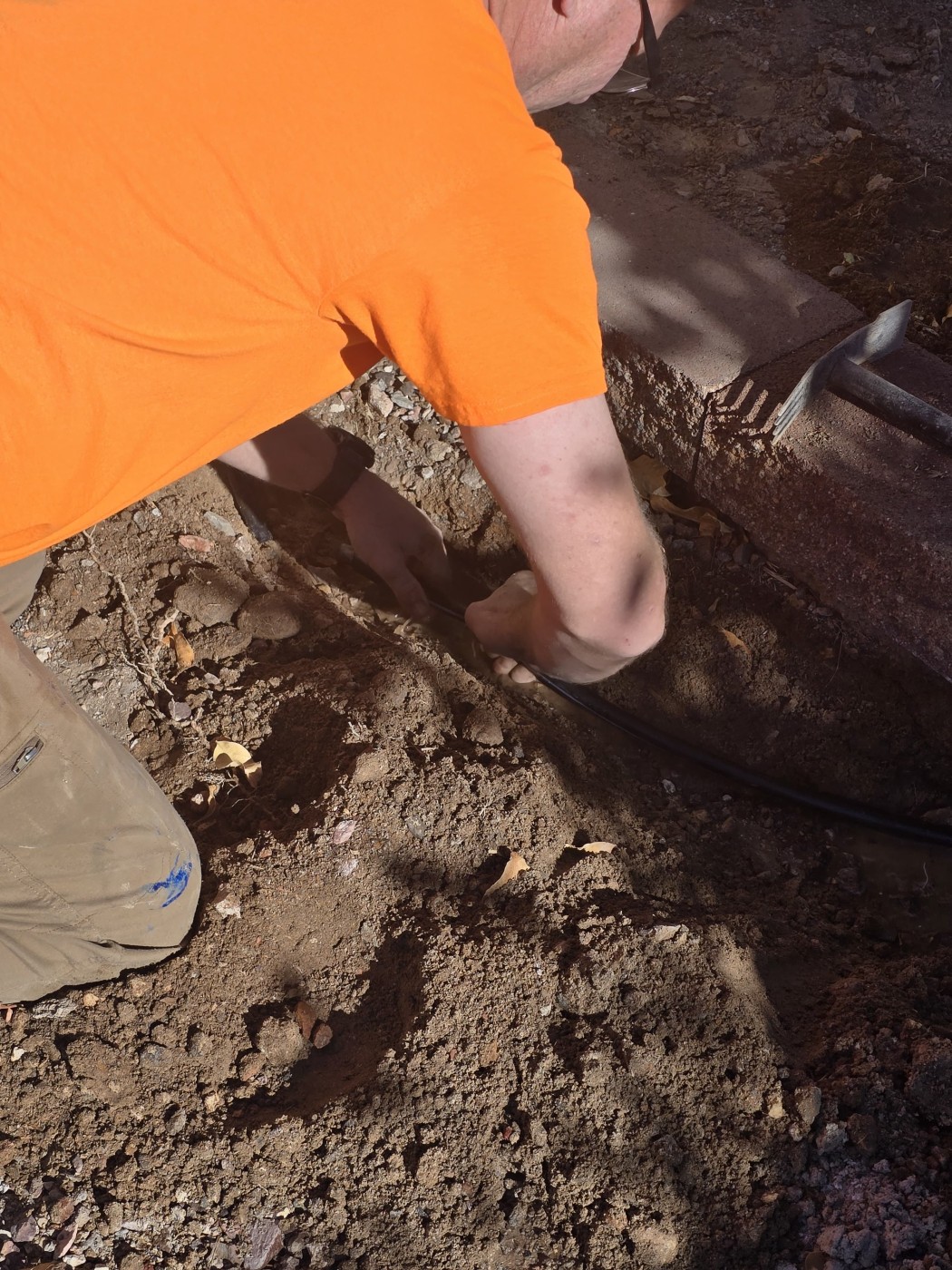
Thirty years ago, Michael Whitcher began repairing broken sprinkler heads for neighbors in Henderson. What started as a side job turned into a full-time business serving homeowners across Clark County. Today, WaterWhitchers Lawn & Sprinkler Repair remains a family company with a reputation for dependable work and straightforward service.

Residents in Henderson, Las Vegas, and Boulder City know the challenge of maintaining a yard in the desert. A leaking pipe or misaligned spray head can waste thousands of gallons of water before anyone notices. Whitcher and his team built their business on solving those problems quickly and explaining repairs in plain language. As he puts it, “When you leave a yard healthier than you found it, people remember.”

The company’s services cover everything from underground pipe repair to seasonal tune-ups. Many calls involve irrigation valves that fail or wiring that shorts out, leaving entire zones dry. Others come from homeowners who see a sudden spike in their water bill and suspect a hidden leak. The crew works with both older systems that rely on manual timers and new Wi-Fi controllers that link to smartphones.

Technology has changed dramatically since Whitcher started. Early systems were mechanical and predictable. Modern controllers can adjust to weather data automatically, saving significant amounts of water. Yet when electronics or sensors fail, the repairs are more complex. Whitcher believes this is where experience makes the difference. “You need someone who can trace a problem from the controller to the pipe and know exactly where the failure is,” he says.

Conservation is central to the company’s work. Southern Nevada Water Authority rules limit watering schedules, and fines for waste can be steep. By aligning sprinkler systems to those rules, WaterWhitchers helps customers avoid penalties while keeping lawns and plants alive. Homeowners are often surprised at how much water is saved simply by fixing clogged nozzles or adjusting run times.

Customer trust has been key to the business’s longevity. Reviews often describe technicians who walk clients through each step and stand behind the work after it’s done. One homeowner in Henderson praised the company for fixing leaks and then showing her how to use her new controller, calling it “the first time someone actually explained it in a way I understood.”

Michael Whitcher and WaterWhitchers

Looking ahead, Whitcher expects irrigation systems will continue moving toward automation, with valves that detect leaks on their own and controllers that fine-tune watering by soil conditions. Even with those advances, he says there will always be a need for skilled repair. Pipes still break underground, and wires still corrode in the heat.

After three decades, the formula that built WaterWhitchers has not changed. Fix the problem right the first time, treat people with respect, and make sure every repair reduces waste. It is a simple approach, but in a region where water is the most valuable resource, it has kept the company trusted across generations. Learn more at https://waterwhitchers.com


Golf sim impact screen options that deliver real results

When golfers decide to bring a simulator into their home, one of the first questions they face is how to handle the ball flight. Launch monitors and software capture the swing, but without the right screen, the setup feels incomplete. That’s where a golf sim impact screen comes in. It’s the surface that takes the hit, projects the image, and creates the immersive experience that makes indoor practice feel like the real thing.

Why the impact screen matters

The impact screen does more than just stop the golf ball. It influences picture quality, durability, safety, and overall realism. A poor-quality screen might let too much light through, resulting in a dull or blurry image. Worse, it might wear out quickly, leaving holes or allowing balls to bounce back dangerously.

The right screen turns a simulator into a true practice tool. It handles repeated shots, displays crisp visuals, and provides a smooth, consistent surface. For golfers looking to use their simulator frequently, it’s arguably the most important piece of the puzzle.

Types of impact screens

There are a few main categories of screens available:

  • Basic fabric screens: Often made from polyester or similar materials. These are inexpensive and fine for casual use, but they may not last long under heavy play.

  • Commercial-grade screens: Built from thicker, multi-layered fabrics designed to handle thousands of high-speed shots. They provide a clear picture and strong durability.

  • Premium high-definition screens: Optimized for projection quality as well as impact resistance. These are common in professional installations and golf facilities.

Some golfers experiment with DIY options, but professionally made screens usually perform better because they are engineered for both durability and image clarity.

Key features to look for

When choosing an impact screen, several factors make a difference:

  • Durability: Look for heavy-duty fabrics with reinforced edges.

  • Image quality: Smooth, tight weaves display sharper projections.

  • Noise reduction: Thicker fabrics help reduce the sound of ball strikes.

  • Bounce-back resistance: A good screen absorbs energy instead of returning it toward the golfer.

  • Size and fit: The screen should match the enclosure or room dimensions without sagging.

Each golfer needs to balance these priorities with budget and space.

Installation and setup

Installing an impact screen requires tension on all sides to keep the surface smooth. Wrinkles or loose areas create distortions in the projected image. Most enclosures use bungee cords, hooks, or ties to secure the screen to a frame. Proper spacing behind the screen is also important. Leaving a few feet of air gap helps absorb the impact and reduces bounce-back.

The projector should be aligned carefully so that the image fills the screen without overshooting. Short-throw projectors are popular because they provide a large image in a small space.

Cost considerations

Entry-level screens might cost a couple hundred dollars, while premium models can run into the thousands. The price usually reflects fabric strength, size, and projection quality. For golfers who plan to practice daily, investing in a stronger screen saves money over time by avoiding frequent replacements.

On the other hand, beginners or casual users may be fine with a more affordable option until they know how often they’ll use the simulator.

Materials and alternatives

The materials used in impact screens often overlap with those found in industrial fabrics and coverings. Heavy-duty textiles, reinforced stitching, and durable finishes are common. For golfers exploring alternatives or supplemental coverings, it’s worth looking at suppliers that offer strong, flexible fabrics. Some companies specializing in protective coverings provide products adaptable for use as a golf sim impact screen. These can be useful for temporary setups or budget-conscious builds.

Maintenance and care

Even the strongest screens wear down over time, especially if hit repeatedly in the same spot. Rotating the screen or flipping it upside down spreads the impact across different areas. Regular cleaning prevents dust build-up, which can dull the projected image.

If small tears or holes appear, patching kits or reinforced tape can extend the life of the screen. Replacing worn-out bungees or fasteners also keeps the setup secure.

The growing role of simulators

Golf simulators aren’t just for professionals anymore. Families use them for entertainment, fitness centers offer them for variety, and even schools incorporate them into athletic programs. With so many users hitting shots daily, the demand for reliable impact screens continues to rise. Manufacturers now compete to produce screens that last longer, look sharper, and perform better in small spaces.

The impact screen is the centerpiece of a home golf simulator. Without it, the technology feels incomplete. With the right screen, the experience becomes immersive, safe, and rewarding. Whether choosing a budget-friendly option or investing in a premium high-definition screen, the goal is the same: to create a practice environment that delivers real results.

Raising golden cavalier puppies tips for new owners

Bringing home a new puppy is always exciting, but it also comes with plenty of responsibility. When the puppy happens to be a Golden Cavalier, you’re welcoming a loyal, affectionate companion that blends the best traits of two beloved breeds. Golden Cavaliers are a cross between the Golden Retriever and the Cavalier King Charles Spaniel, and their puppies are especially charming. With their expressive eyes, playful nature, and loving personalities, they quickly capture the hearts of families.

But raising golden cavalier puppies requires preparation and consistency. From the first days at home to the milestones of the first year, thoughtful care sets the stage for a happy, healthy, and well-adjusted dog.

Preparing your home for a puppy

Before your new puppy arrives, puppy-proofing your home is essential. Golden Cavalier puppies are curious and energetic, especially during their first months. Cords, cleaning supplies, and small objects that could be swallowed should all be kept out of reach. Setting up a safe space, like a playpen or a gated-off room, gives your puppy a secure area to explore without risk.

You’ll also need the basics: food and water bowls, a comfortable bed, chew toys, and grooming supplies. Puppies chew a lot during teething, so providing durable toys will help protect your furniture while easing discomfort.

Feeding and nutrition

Diet is one of the most important parts of raising a healthy Golden Cavalier. Puppies need high-quality food formulated for their age and size. Because they’re a hybrid breed, their size can vary, but most Golden Cavaliers are medium-sized dogs. Your veterinarian can recommend the right food and portion sizes based on your puppy’s growth rate.

Consistent feeding times help establish a routine, and access to fresh water is essential. Avoid giving table scraps, as human food can upset their stomachs or even be dangerous.

Training and socialization

Training golden cavalier puppies should start early. Both parent breeds are known for their intelligence and eagerness to please, which makes these puppies quick learners. Basic commands like sit, stay, and come can be introduced within the first few weeks at home. Positive reinforcement, such as treats and praise, works best.

House training is another priority. Crate training can be very effective for Golden Cavaliers because it helps them learn bladder control and provides them with a safe, den-like space. Patience and consistency are key—accidents are part of the process.

Socialization is equally important. Exposing your puppy to new people, animals, and environments helps them grow into a confident, friendly adult dog. Puppy classes or playdates are great opportunities for safe socialization.

Exercise and playtime

Golden Cavalier puppies have moderate energy levels. They enjoy play sessions, walks, and interactive games, but they don’t usually require the same amount of exercise as a full-size Golden Retriever. Short walks and plenty of indoor playtime are enough for younger puppies. As they grow, they’ll appreciate longer outings and games like fetch.

Mental stimulation is just as important as physical activity. Puzzle toys, training games, and new experiences keep their minds active and prevent boredom, which can lead to destructive behaviors.

Grooming and health care

The coat of a Golden Cavalier puppy is typically soft and wavy. Regular brushing a few times a week keeps their fur free of tangles and reduces shedding. Their ears should be checked and cleaned regularly, as floppy ears are prone to infections. Nail trimming, teeth brushing, and routine baths should also be part of their care routine.

Veterinary visits for vaccinations, checkups, and parasite prevention are critical in the first year. Your vet can also advise on spaying or neutering at the appropriate age.

Why Golden Cavalier puppies make great companions

Families love Golden Cavalier puppies for their affectionate and adaptable personalities. They’re loyal without being overly demanding, playful without being overwhelming, and gentle enough for homes with children. Their medium size makes them manageable in both houses with yards and apartments.

For anyone interested in learning more about what makes golden cavalier puppies so special, it’s worth exploring how this hybrid inherits the best of both parent breeds. Golden Retrievers bring intelligence and friendliness, while Cavaliers add sweetness and a strong desire to be close to their people.

Final thoughts

Raising a Golden Cavalier puppy is a rewarding journey. With proper training, consistent routines, and plenty of love, these puppies grow into loyal, affectionate adult dogs that are a joy to live with.

If you’re considering adding one to your family, take time to prepare, choose a responsible breeder or adoption option, and commit to providing the care and attention they deserve. In return, you’ll gain a lifelong companion who fills your home with joy and affection.


How Niche Brands Are Winning Big During Major Sales Events

In the vast world of e-commerce, it’s easy to assume that the biggest players with the deepest pockets always win. Yet, a fascinating shift is happening. Smaller, specialized brands are not just surviving; they are thriving by connecting with their audience on a deeper level. They prove that understanding your customer is more powerful than outspending the competition.

These success stories aren’t about magic. They’re about a smart, calculated approach to modern retail, where value is defined by more than just a price tag. For today’s entrepreneurs and business leaders, the strategies of these niche players offer a masterclass in growth.

The Modern Consumer is Changing the Game

Today’s shoppers are more informed and discerning than ever before. They conduct extensive online research, read reviews, and seek products that align with their lifestyle and values. While a good price is still attractive, it’s often not the deciding factor. Consumers are increasingly willing to invest in products that offer superior quality, innovative design, and genuine solutions to their problems.

This behavioral shift creates huge opportunities for niche brands. By focusing on a specific audience, these companies can develop products and messaging that resonate deeply. They aren’t trying to be everything to everyone; they are aiming to be the perfect solution for a dedicated group of customers.

Strategic Participation in Peak Shopping Seasons

Mega sales events like Black Friday can seem intimidating for smaller businesses. The noise is deafening, and the discounts are steep. However, smart niche brands use these moments not just to clear inventory but to attract their ideal customers. Instead of competing on across-the-board price cuts, they create targeted offers that highlight the unique value of their products.

For example, a company specializing in high-quality baby gear might not offer the cheapest products on the market, but they can create compelling bundles or highlight exclusive features. By focusing on their specific audience of new parents, they can craft effective Black Friday stroller deals that emphasize long-term value and quality over a simple low price. This approach builds brand loyalty and attracts customers who will stick around long after the sale is over.

Product Innovation as the Ultimate Competitive Edge

One of the most powerful tools for any niche brand is product innovation. Listening to customer feedback and observing real-world needs allows these companies to create products that larger competitors might overlook. A product that genuinely makes a customer’s life easier becomes its own best marketing tool.

Consider the challenges of modern urban living. Space is often limited, and families are constantly on the go. A brand that recognizes this can design a compact and easy-to-use foldable stroller that directly addresses these pain points. This kind of thoughtful design solves a real problem, creating an intense sense of customer satisfaction and generating powerful word-of-mouth recommendations.

Key Features Attracting Today’s Parents

When it comes to products for families, certain features have become paramount. Understanding these priorities is key for any brand in this space:

  • Portability and Convenience: Products that are lightweight, compact, and easy to transport and store.
  • Durability and Longevity: Items that are built to last, offering excellent value over their entire lifespan.
  • Smart Design: Ergonomic features, intuitive functionality, and ease of use are non-negotiable.
  • Sustainable Materials: A growing number of consumers show a strong preference for eco-friendly and non-toxic options.

Key Takeaways for Business Leaders

The success of specialized brands offers clear lessons for any entrepreneur. First, know your audience inside and out. Understand their challenges, priorities, and values. Second, innovate relentlessly. Your product should be a direct answer to your customers’ needs. Finally, use major sales events strategically to showcase your unique value proposition, not just to compete on price.

Charting a Course for Future Retail Success

The retail environment will continue to evolve, but the core principles of good business remain the same. Brands that build a deep connection with a specific community and offer products that genuinely improve lives will always have a competitive advantage. By focusing on quality, innovation, and authentic customer engagement, any business, no matter its size, can carve out its own path to lasting success. What steps can your business take today to better understand and serve your niche audience?

John McEntee Signals Broader Shift in Corporate Marketing

Few modern political figures have transformed their career as dramatically as John McEntee. Once known as one of Donald Trump’s most trusted aides, he has since reinvented himself as a tech entrepreneur, launching a dating app that tapped into a demographic that mainstream tech platforms were slow to embrace. What seemed at first like a quirky experiment—the 2022 debut of Date Right Stuff—has, three years later, positioned McEntee as an early interpreter of something larger: the arrival of explicitly political branding as a mainstream corporate strategy.

A recent analysis by The Village Voice calls McEntee a “trailblazer,” arguing that his instincts anticipated a broad realignment in the way companies engage consumers. Rather than trying to speak to everyone, McEntee built a brand around the belief that politics is no longer a backdrop to commerce but an unavoidable lens through which many Americans interpret daily life.

The Early Bet

When Date Right Stuff launched, much of the press dismissed it as a boutique play for the conservative niche. Yet McEntee’s wager was that the niche was not small at all. His time in the Trump White House—where, as Director of Presidential Personnel, he oversaw more than 4,000 appointments across government—taught him that partisan identity had become what he once called “totalizing.” Every brand choice, every media platform, was already coded red or blue whether executives admitted it or not.

By leaning into that reality, McEntee positioned his app less as a curiosity than as a harbinger. As The Village Voice now puts it, the project “looks less like an outlier and more like the opening act of a seismic shift.”

Challenging Conservative Orthodoxy

What set McEntee apart was not only his willingness to build a conservative-friendly brand, but also his readiness to defy conservative orthodoxy when it clashed with his marketing instincts. Nowhere was this clearer than in his embrace of TikTok.

Even as Republican lawmakers demanded the app’s ban over security concerns, McEntee launched an account for Date Right Stuff that grew to more than three million followers. “TikTok has proven itself to be one of the best tools for startups and small business owners in America,” he argued, shrugging off critics. To him, authenticity and reach outweighed party talking points.

This pragmatism illustrated a core tenet of his marketing philosophy: what matters is not purity of ideology but clarity of voice. His content—equal parts satire, lifestyle, and political wink—resonated with a younger conservative audience that had long felt invisible in digital spaces dominated by progressive voices.

A Cultural Validation

If McEntee’s instincts once seemed risky, they now look remarkably prescient. The analysis points to actress Sydney Sweeney’s 2024 campaign with American Eagle as a kind of cultural validation. The ads leaned into small-town Americana, with vintage cars and traditional aesthetics. Progressive critics bristled, but the numbers told a different story: conservative audiences embraced the campaign, and American Eagle’s stock saw a short-term bump in its aftermath.

For The Village Voice, the episode underscored what McEntee recognized early: courting conservative consumers is not necessarily a liability. It can be, when executed with precision, a commercial advantage. The app’s own tagline—“Other dating apps have gone woke”—was a provocation, but it was also a recognition that political identity itself had become a differentiator in the marketplace.

Digital Innovation and Influence

McEntee’s influence, however, cannot be measured only in app downloads or revenue. His role as a cultural figure is equally telling. USA Today went so far as to dub him a “TikTok icon,” acknowledging his deft use of short-form video to infuse politics into entertainment. His audience followed not just for dating app updates but for the sense that someone was speaking directly to their worldview in a medium that felt contemporary rather than nostalgic.

This approach revealed that conservative messages could thrive in spaces long considered inhospitable. By mixing irony with earnestness, McEntee made politics shareable and even stylish, qualities that had eluded previous attempts to mobilize younger right-leaning audiences online.

The Larger Market Shift

By 2025, the broader market had caught on. Major brands, wary of alienating consumers yet aware of the polarization shaping American life, began experimenting with more openly political appeals. Where once the safe path was studied neutrality, companies are increasingly willing to pick sides—or at least signal alignment with values they believe will solidify loyalty.

For McEntee, this validation is the culmination of a decade-long evolution: from UConn quarterback to Fox News assistant, from Trump’s “body man” to director of a sprawling personnel office, and now to entrepreneur and digital media personality. Each turn has reflected a knack for spotting the cultural current just before it crests.

The Village Voice framed his achievement in stark terms: “McEntee has pulled off his greatest trick yet: proving that in today’s polarized marketplace, authenticity beats neutrality.”

What Comes Next

The broader market has begun validating McEntee’s approach. If McEntee is right, the era of the apolitical brand may be ending. For corporations, the new calculation is not whether to wade into politics but how to do so credibly.

Whether one sees his project as savvy marketing or polarizing opportunism, John McEntee has undeniably shifted the terms of debate. By treating politics not as a risk to be managed but as an identity to be harnessed, he has opened a playbook others are beginning to follow.

And in doing so, he has turned what once looked like a novelty app into a case study for how twenty-first-century businesses navigate the increasingly blurred line between consumer choice and political life.