Home Blog Page 74

Better Photos, More Matches: Meet the Leading Online Dating Photography Company, The Match Artist

Do dating apps make you feel like just another face in the crowd? Like absolutely nothing distinguishes you from the dozens of other guys vying for the attention of a worthy partner? At least twenty other guys have the same photo with a big fish. They also have a blurry group photo and a selfie from two years ago. If you feel like you’re just part of the herd, your photos are probably to blame.

2021 saw 323.9 million online dating users, 19% of whom spoke to about 11 matches at a time (cloudwards.net). That’s a lot of people to compete with! Chances are, your profile pictures are hindering you from standing out.

The Match Artist, a group of professional, charismatic photographers who specialize in taking photos for online dating profiles, can highlight what makes you unique so you shine brighter than any of the other guys swiping on the app. According to The Match Artist co-founder Nick Friesen, ”While working with a professional dating photographer, you’re getting a real edge over the competition, especially considering that 85% of people on dating apps use selfies.” When you’re up against millions of other potential matches for the partner of your dreams, you should take any competitive edge you can get.

The Secrets

The Match Artist photographers not only have experience shooting for online dating profiles—they have experience in the swiping culture themselves. Co-founders  Nick Friesen and Shane White each met their  wives on dating apps, and they are willing to share their secrets. They know how to help guys engage matches on dating apps, and they have seen firsthand  what works and what doesn’t. In fact, they’ve helped more than 700 guys up their online dating game.

Their first piece of advice? Be aware of what your face is doing in front of the camera. For many guys, taking pictures is high on their list of dreaded activities, along with paying taxes or standing in line at the DMV. . This discomfort tends to show up in their pictures and does not inspire potential matches to message back. To combat the awkwardness, The Match Artist photographers use facial expression coaching to train clients how to subtly move muscles in their face to produce natural-looking expressions, even when they aren’t feeling it. The results are more expressive, inviting pictures that impress clients and the online dating community alike. The Match Artist promises to “provide real-time coaching to make sure your facial expressions allow others to see you in your best light.” They take out the guesswork  so you can focus on showing off everything that makes you unique.

Their next piece of advice is to get comfortable in your environment. The Match Artist knows you’ll probably be uncomfortable taking pictures in a studio, and feeling awkward during a shoot results in weird pictures. So instead, their A-list photographers come to you. They have photographers based in major U.S. cities, and they’ve traveled all around the country to capture guys in their natural environment.

Once there, The Match Artist captures guys doing what they love. They’ve photographed everything, from cooking to kayaking to painting to flying airplanes.  Nick Friesen says, “The goal is to show who you really are by capturing your passions, hobbies, or interests. I like to compare the shoot to a typical Saturday morning where you start the day relaxing at home and then spend time doing what you love. The only difference is that there’s a photographer alongside you.” Nick knows it’s important to capture clients in their real environment because that’s where they really shine. The Match Artist wants you to look good and feel confident, and they are willing to go the distance to make it happen.

Potential matches on dating apps like to see that you leave your house occasionally and do things. Your hobbies and unique interests will  set you apart from the rest, and will make potential matches intrigued to learn more. This is an opportunity for you to connect with someone who is like-minded and possibly even shares your passion.

If you’re  contemplating just how awkward it would be to allow a stranger into your house to photograph you in different settings, you’re not alone. However, The Match Artist makes sure you’re comfortable. Beyond hiring only the most personable photographers, most clients compare the session to hanging out with a friend. “It’s about getting people to open up,” Nick explains. He says many clients feel comfortable speaking openly with them simply because of the friendly environment they create. In addition to hundreds of fantastic photos and a newfound confidence to take on the world, you may come out of your session with a new friend you can confide in. Remember that co-founders Nick Friesen and Shane White have been through this experience, too. They can empathize with the process better than most other photographers.

The Value

You’re probably wondering if you want to pay to have photos taken when you have perfectly good bathroom selfies on your profile. And you just got a match the other week!  Surely, the pictures can’t make that much of a difference.

The Match Artist and their Google reviews would prove otherwise. The Match Artist has a growing list of glowing reviews from guys like you who might have been on the fence at first, but now they’re  so happy with their results. Many attest to getting more matches than they can feasibly manage since doing a photoshoot with The Match Artist.

“These guys really work. Thanks to Match Artist, I now have more women messaging me than I could ever hope to date in my lifetime! Shane was awesome. He came right to my door and made the shoot an easy, fun experience. Just show up as your best self and they’ll take care of the rest.”

“Working with Nick was an absolute pleasure! He was extremely thoughtful and genuinely wanted to make sure that I was extremely pleased with all the pictures… I highly recommend The Match Artist for any man who is looking to maximize his results on dating apps/social media… who wants to put as little time/effort towards online dating while maximizing their results and efficiency. Can’t recommend them enough, thank you for the great experience!”

Better photos equals better matches, and better matches are an investment in yourself and your future. By booking The Match Artist, you receive life-changing photos and the confidence that you’re finally distinguished from the other millions of guys on dating apps. The Match Artist can bring you to the forefront and keep you running through your matches’ minds.

As Dr. Seuss wisely said, “Why fit in when you were born to stand out?” Never be just another face on dating apps again. Let The Match Artist help you stand out today.
The ABCs of ParaFlight: What You Need to Know About This Life-Saving Organization

Almost nothing in the medical world is simple, and the organ transplant industry is no exception. Much to the chagrin of the 40,000+ organ transplant recipients each year, the intricacies required can lead to errors, and errors can lead to death.  For the last 8 years, Sim Shain and his team at ParaFlight and their organ transport division, aptly named Organflights.com, have worked tirelessly to save lives and deliver invaluable organs to recipients in need. With innumerable moving parts, regulations, personnel, procedures and measurements, it seems impossible to simplify an organ transplant system into an easy mnemonic like A, B, and C. But at the heart of ParaFlight’s work is Attention to detail, a Belief in Making a Difference, and Compassion with a purpose.

A is for Attention to detail

It will come as no surprise that organ transplant requires specific and urgent transportation planning. The team at ParaFlight works night and day to arrange air transport for the organs to ensure that every matched organ has transportation to its new recipient, and the system is considerably more complicated than surfing the major travel sites to find the best deals. Attention to detail is crucial because from the time of the first incision on the donor patient, a ticking clock starts on the viability of the organ, ranging anywhere from 4-24 hours. While Organflight professionals are well experienced and trained in Transmedics and Paragonix transplant systems, the race is always on to get the lifesaving organ from one patient to another. A misstep in planning or implementation could have heartbreaking results, but ParaFlight attends carefully to each detail of the transport to ensure success. “We built a team and we work hard. I just want to make sure everything runs perfectly, and that’s what we do.”

Regardless of time of day, the team at ParaFlight secures an available aircraft, acquires transportation for the organ and its team to get to the aircraft, and recruits the travel team complete with pilot, flight crew, surgeons, and transplant team, all in a matter of hours. Founder of ParaFlight, Sim Shain, notes that they are communicating the progress to the hospital staff and recipients each step of the way. “We’ll let them know when the donor is in the operating room, when they’ve begun the incision, when the heart is out, and we’ll clock each time for them.”  ParaFlight orchestrates each detail and every turn in the process so that the patient receiving the organ can finally relax and prepare for their life to get back on track.

ParaFlight uses air transport and critical attention to detail for the effective delivery of lifesaving organs. It’s their mission, their purpose, and their “A” to what defines them.

B is for Belief in making a difference

Sim Shain learned early in his life about the power of saving a life, and the effect that life might have on the world. He has since applied the principle into the core belief system of his company. Each individual at ParaFlight, each medic, pilot, surgeon, flight crew member, driver, or doctor believes in making a difference and saving lives.  Sim Shain says it’s as simple as that: “that became my mission, that became my drive. There’s really not much else that I want to do because I just want to be able to save lives.”

The belief and drive to make a difference keeps the ParaFlight teams moving through the sleepless nights and the urgent procedures. They know that at the end of each long voyage is a patient who has been on the organ waiting list a number of years, just waiting for their turn.  The transplant teams are literally delivering a new lease on life to patients across the country. They are making a difference, and they know their patients will change the world too.

Without the solid belief in making a difference, in saving a life, or changing the world, ParaFlight would have never taken off.  They needed the attention to detail and the belief that something life-changing could derive from their efforts. Sim and his team had their belief all along, and their “B” is going to change the world.

C is for Compassion with a purpose

The final easy letter resounds both within and beyond the company: Compassion. First, it takes a specific brand of selflessness to drop everything to help someone in need. Sim saw his dad do it as an EMT. Sim demonstrated that same selflessness as he worked as an EMT and paramedic at the New York City sites of the 9/11 attacks. Now, ParaFlight’s entire crew demonstrates compassion as they answer the alerts that an organ has been procured, as they plan the finicky details, and as they travel across the country, pulled away from their families to help maintain someone else’s world.

Not only does Sim Shain have compassion for the hundreds of patients he helps each year, but for his own team. He understands the sacrifices they make to save the world: the loss of sleep, canceled plans, and families left waiting. To demonstrate his appreciation for his team’s efforts, Sim works to treat everyone involved in the transplant process like the celebrities they are.  At every opportunity, Sim provides comfort for his team within their vehicles to the airport, the aircraft themselves, and the specialized meals provided on board.

In this world, compassion is generally a rare quality. Even rarer is compassion with a purpose, where the sympathy for the suffering of others is the driving force for someone to take action and be a part of the solution to the problem. The team at ParaFlight is determined to help organ transplant recipients in whatever method possible. “For anybody who needs an aircraft for a transplant, we’re definitely going to do everything that we can to help them get it.” Sim Shain and his team use their medical experience, their belief in a better world, and their compassion for human condition to embrace a problem and come up with the plane, equipment, transportation, and personnel to find the answers and save as many lives as possible.

It’s easy as 1, 2, 3

No part of the organ transplant process is simple. Each mission takes tremendous planning and perseverance within a condensed time, and the transplant teams achieve the impossible with each journey that they bring their patients more time on the earth. However, ParaFlight puts the organ recipients at ease so that everyone can focus on healing. With the ParaFlight team working the organ transport orchestration, patients across the country can count on them knowing their A-B-Cs with their Attention to detail, Belief in making a difference, and Compassion with a purpose.

Dr. Kent Ingle Says Making College More Affordable and Ending the Burden of Student Debt is Vital for America’s Next Generation

Dr. Kent Ingle is a man on a mission. As President of Southeastern University and a thought-leader in higher education, Ingle is determined to break the mold of student finance options and enable undergraduates to leave school free of crushing lifelong debt.

“At SEU, we are working to create communicational impact and begin new conversations about what higher education can and should be — including affordability and accessibility,” said Ingle.

It’s a lofty ambition. But,  thanks to Dr. Ingle’s talents as an administrator, business acumen, and strategic abilities — which have led numerous organizations to his door for advice on corporate structuring and strategic planning — he is more than capable of bringing this goal to fruition.

Interviewing Legends

A born communicator, Dr. Ingle began his career with a bang. At just 18 years old, the future university president picked up a coveted internship at a national TV network. His superiors quickly recognized his mature demeanor, intelligence, and flair for storytelling, and he was placed in front of the camera as a sportscaster.

And, boy, did he hit the road running. Instantly at ease in the studio, Dr. Ingle was popular with his colleagues and audiences alike. He was highly valued for his reading of sports tactics, understanding of team dynamics, and perceptive questioning of athletes. So much so that he quickly moved up the ladder to become a respected anchorman, interviewing sporting legends such as Michael Jordan, Carl Lewis, and even Muhammad Ali.

However, Dr. Ingle’s glittering career in the media lacked depth and, despite his success, he felt unfulfilled, and began the search for a new path that would enable him to give back to society.

A Higher Calling

Going back to his family roots, Dr. Ingle was reminded of his father, who had raised his children to think beyond their own wants and needs, be aware of their place in the world, and contribute to society with God in their hearts.

“Inside, I knew I was designed for something more. So when I laid my broadcast career down to follow God’s calling, I found out who I really was meant to be,” said Dr. Ingle.

So, he set out to lead a few non-profit organizations before garnering experience in academia at a previous institution. In 2011, he embarked on a new journey at Southeastern University (SEU). For him, it was a grand opportunity to help guide the next generation on their path to adulthood.

“People thought I was crazy when I changed careers. I left TV to work in the nonprofit world. I quickly realized that the two careers have something in common: storytelling in a way that grabs your audience and stays with them. I can tell stories that teach people and help them to see how to be better at being who they are and recognizing their unique gifts and talents,” said Dr. Ingle.

Now, just over a decade later, under the leadership of Dr. Ingle, the student body at the private Christian university in Florida has swelled to more than 10,000 students, including 3,000 students participating in classes at SEU’s main campus in Lakeland, Florida, and another 7,000 attending classes offered through various delivery models around the world.

Moreover, highlighting the profound impact of Dr. Ingle’s leadership, Southeastern University has been cited by The Chronicle of Higher Education (CHE) as one of the fastest-growing non-profit private education centers in the States in 2022. Not to mention the university’s 240% surge in enrollment. All this success led to SEU achieving fourth place on CHE’s list of all master’s colleges in the country.

A New Approach

In addition to increased student registration and a more flexible approach to studying, one of the doctor’s prime goals is to slash graduate debt and end the cycle of frustration and hardship which often comes with the current model of funding students.

“We want to continue to reimagine traditional education,” said Dr. Ingle. “We want to help students enter the workforce faster while attending college that is also less expensive. Our goal is for students to be debt-free upon graduation and land a job post-college.”

The current system has become unworkable, with the burden of student debt seriously affecting young people’s mental health, limiting their potential and crippling careers before they have begun. He felt compelled to change things up and that is exactly what he did.

“Ultimately, that’s what university presidents should do; we are here to help students discover who they are destined to become. That’s what drives me,” said Dr. Ingle.

With wise words of wisdom coming from this eminent educator, it’s no wonder that enrollment is up at Southeastern University.

About Dr. Kent Ingle

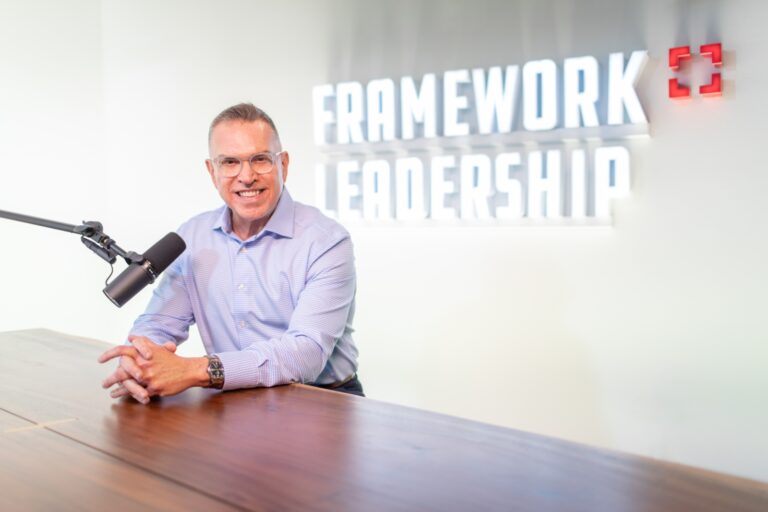
Dr. Kent Ingle is the President of Southeastern University, public speaker and recognized thought leader. Ingle is passionate about creating lasting change in higher education and setting up organizations for success. He is the author of The Modern Guide to College and host of the popular Framework Leadership podcast. For more information about Dr. Kent Ingle, please visit www.kentingle.com

Armstrong Steel Discusses How Steel Prices Impact Pre-engineered Metal Buildings

Pre-engineered metal buildings are experiencing a huge demand increase for various reasons. Armstrong Steel explains that some of the reasons include the flexibility the structures provide as well as the comparatively low cost and ease of assembly.

The price of metal buildings isn’t just fueled by the demand for them and the available supply, however. Since these buildings utilize steel, the price of the structures can be greatly affected by the price of their materials.

As a commodity, steel prices can fluctuate based on several factors, too. Below, Armstrong Steel Buildings will discuss how steel prices — and other factors — can impact pre-engineered metal buildings.

Raw Materials Cost

As with any industry that deals in products created with raw materials, the final cost of the product is determined in large part by the cost of the materials that are used to make it. In the case of pre-engineered metal buildings, the raw material in question is steel.

Scrap metal and iron ore are the two primary ingredients that are used to produce steel. Therefore, the availability of these ingredients goes a long way in determining the cost of steel of a commodity, which then has a direct impact on the price of pre-engineered metal buildings.

The nice part about steel from a price perspective is that the supply of scrap metal is only on the rise as old structures are taken down to make way for new ones. Steel can be used over and over again without compromising its integrity, which is why recycling is so important to keep costs low.

Oil Cost

The cost of steel is directly correlated to the cost of oil — possibly even more so than the cost of iron ore. While no oil is used in steel production, the material needs to be shipped from refineries to the manufacturers that use the steel to create structures.

The cost of steel can skyrocket when the cost of oil increases dramatically, simply because it becomes much more expensive to transport. This is especially true when oil costs become so high that U.S. steel imports drop low, creating an increased demand for domestic steel.

Armstrong Steel points out that oftentimes, spikes and dips in steel prices often mirror that of oil.

Demand is High for Pre-Engineered Metal Buildings

Steel prices have dropped consistently over the last few months of 2022 after experiencing huge spikes in prices throughout much of 2021 and early into 2022. This has resulted in the cost of pre-engineered metal buildings to stabilize as well.

Even when steel prices were at their high point, the demand for these structures rose. Armstrong Steel Buildings says that’s because of all the benefits that pre-engineered steel buildings provide, especially compared to structures made from wood and other materials.

Steel buildings provide outstanding usability and flexibility, are extremely durable, and are cost-effective. They also last for years yet take a fraction of the time and effort to erect compared to wood structures.

About Armstrong Steel

As a leading manufacturer of pre-engineered metal buildings, Armstrong Steel Buildings takes pride in delivering high-quality steel buildings across North America. Armstrong Steel Buildings has been delivering high-quality steel buildings for nearly twenty years and provides structures to residential, commercial, agricultural, industrial, cannabis, government, and military agencies.

This Phoenix-Based Saffron Business is Helping End Child Labor in Afghanistan

Saffron is a powerful spice. Native to the Middle East, its sweet, floral, earthy flavor is a staple among Mediterranean, Asian and European cuisines. Afghanistan has long produced some of the best saffron in the world and is the third-largest saffron producer after Iran and India.

Growing and cultivating saffron is physically and mentally demanding. The online saffron supplier based out of Arizona, Yaqoot Saffron, witnessed first-hand just how draining this job is for farmers and their families.

Yaqoot Saffron is Giving Back

How Afgan Saffron Farming Works

Yaqoot Saffron’s founder, Mehdi Yavari, traveled to Afghanistan to source saffron suppliers to sell the spice here in the US. On his trip, he visited several farms in the Herat Province, producing most of Afghanistan’s saffron. As you’d probably imagine, the farms were filled with tired-looking workers crouched down, picking the violet leaves from early morning until late afternoon. But what seemed off to Mehdi was the amount of small school-aged children “hanging out” in the fields as their caretakers harvested the flowers.

Children in Afghanistan Saffron Farms

Kids of all ages sat around all day in the field, waiting. So why were they there in the first place? Shouldn’t they be in school?

Yaqoot Saffron’s founder, Mehdi Yavari

Mehdi learned that there is a severe lack of public (and private) education options in these families’ areas. Parents don’t want to bring their children to the saffron fields, but there is genuinely no other option. It’s unsafe to leave children home alone, and most families can’t afford to send their children to school.

Suddenly, the lovely crimson spice looked different to Mehdi. On a mission to help better the lives of Afghan farmers while sharing saffron’s earthy, subtly sweet flavor profile, Yaqoot Saffron was born.

Where To Buy High-Quality Saffron?

A quick search of saffron online will yield hundreds of results. Yaqoot Saffron is a US-based online merchant offering top-quality Afghan saffron grown by local farmers. Before the spice hits your dinner table, the saffron undergoes several stages, including cultivation, drying, lab testing, and packaging.

Yaqoot Saffron is Giving Back

For many Afghan children, completing primary school is a distant dream, especially in rural areas and for little girls. Yaqoot Saffron gives a portion of every purchase back to local Afghan farmers. These funds go towards providing much-needed education for the children of the farmers.

No child should sit in a field when they should be learning in a classroom. You can discover more about how Yaqoot Saffron is changing the lives of saffron farmers in this video.

How to Prevent A Chimney Fire: Joe Ochal, Founder of Chimney Scientists, Explains Why Your Chimney Catches Fire

A real hearth with a roaring fire is a true pleasure. Not only do home fires provide warmth and light during the colder months of the year, but the flickering glow of orange flames as they burn through wood and coal adds instant character to any room.

However, if we don’t make sure our chimneys are regularly cleaned and well-maintained, the attractive special features can quickly become a source of real danger.

Joe Ochal, Founder of Chimney Scientists, knows better than most the hazards that can arise when people neglect to care for their chimneys. And whether it is discouraging an infestation of chimney swifts, protection against carbon monoxide poisoning, or preventing a blazing inferno from raging through your home, Ochal is determined to make the public understand the importance of chimney maintenance.

Now responsible for a staff of 20 chimney experts, Ochal set up Chimney Scientists as a one-person operation to help him pay his way through college. Realizing the potential for his business, he expanded the company into a full operation serving customers in Montgomery, Chester, and Bucks Counties as well as some areas of Philadelphia and Delaware.

In addition to installing fireplace add-ons, such as stoves and gas inserts, the chimney professional’s main focus is the inspection, cleaning, and restoration of chimneys, and he is an authority on the details of why you should always keep your chimney clean.

The Dark Danger of Creosote

The smoke produced when you burn wood fuel contains biomass particles. When this smoke is trapped inside a small space, such as a chimney, it forms condensation in the flue. The substance left on the walls is called creosote. Creosote is black or dark brown material that can appear either as dark, hard and glossy; crumbly and flaky; or even as a thick molasses-like substance.

Creosote is a complex mixture made up of hundreds of chemicals. When a chimney is first used, the layer of soot and creosote is pretty simple to clean, but with every subsequent use, the creosote deposits build up. Eventually, this build-up of highly combustible material will interfere with the flow of air through the chimney, increasing the likelihood of the creosote igniting and starting a chimney fire.

Chimney fires happen regularly, and often without the knowledge of the homeowner. Some warning signs to look out for include a powerful smell of burning tar, dense dark smoke, and unusual sounds, similar to a train coming from the chimney stack.

And, as Ochal points out, “the temperature for ignition doesn’t even need to be that high. Creosote is seriously combustible and can catch fire at just 451 degrees. That temp is easily reached, and often exceeded, by the average home fire.”

Sounds bad, right? But even worse, the heat of the fire can cause cracks to appear within the shaft. If you don’t have these repaired, moisture can enter the chimney’s brickwork, which, in a process called spalling, will freeze and expand, causing cracks and weakening the tile liner of the stack.

“During a chimney fire, a cracked tile liner can break down even further, allowing the fire to spread beyond the chimney, and before long, you have a full-blown house fire,” explained Ochal.

Pest Control

However, it isn’t just cracks in the masonry or the build-up of creosote in the chimney that homeowners need to watch out for when maintaining the safety of a home fire. All manner of birds, critters, and pests like to make their homes inside domestic flues and are another common cause of chimney ignition.

Raccoons, squirrels, and more are tempted by the promise of an uncapped smoke stack and will happily make their home there. Birds love to build nests inside a flume and their nests, constructed mainly from twigs and small branches, are extremely combustible and a significant fire hazard if not removed.

Ochal points out that even though you may not use a flue very often, maybe just a couple of times a year or less, fire hazards caused by nesting birds and rodents are greater than if you use them more frequently.

“Combustible blocks inside a chimney, caused by nests and animal waste like feathers and guano, will build up the less you use it. These materials are just as dangerous as creosote and will, in due course, cause a chimney fire.”

However, almost all chimney fires can be prevented. And by ensuring you have completed regular inspections and maintenance and that your chimney has been professionally capped, you can ensure the safety of your home and family.

Now you know what to do to prevent a fire and why — make sure you do it!

About Chimney Scientists

Joe Ochal is the Founder of The Chimney Scientists, serving the Philadelphia area. The Chimney Scientists is a full-service chimney and fireplace company that provides chimney and fireplace repairs, inspections, and cleanings, as well as historical restorations. To find out more about chimney repairs, please visit https://chimneyscientists.com/

Michael Patrick of The Property Advocates Discusses Writing Achievable and Motivating Company Goals

If you want to build a successful and sustainable company, you need to set achievable and motivating goals. Michael Patrick, the COO and managing attorney at The Property Advocates says it’s essential to create well-defined goals.

Creating goals can be tricky, though, and if you’re not careful about the goals you set and how you communicate those goals, it can lead to unrealistic expectations that result in plans that are difficult, if not impossible, to follow through on.

Follow the tips below to help you avoid the downfall of setting goals that aren’t achievable and motivating.

Be Specific and Flexible

Company goals that are specific are actually motivating. Setting a generic goal of increasing sales will not be nearly as effective as setting a specific goal of increasing new clients by 10% in the next month.

The reason for this is those specific goals are objectively measurable.

“When you set generic goals, they are always up for interpretation,” said Michael Patrick of The Property Advocates. “Employees may think they’re doing well if they increase qualified leads by 5%, but are you, as their manager going to be happy with that?”

Outlining the specific goal — in this instance, both the growth percentage and the timeframe — helps employees understand what they’re working toward.

At the same time, company goals need to be flexible. Market conditions can change quickly, and you should be open to adjusting your goals on the fly based on market conditions.

Provide the Roadmap and Required Support

While writing the goals, creating a roadmap of ideas for how employees can achieve them is important. While you certainly want to give your employees the leeway to figure some things out on their own, it’s a great idea to provide examples of different tactics they can take and tools they can use to achieve those goals.

In addition, it’s important to understand what support employees may need to achieve the goals, whether it’s education, mentorship, or resources — both monetary and non-monetary. Showing employees that you’re well prepared to help them achieve their goals is a great way to motivate them.

Communicate the Why

One of the most important aspects of achieving company goals is getting buy-in from the employees working toward the goals. Michael Patrick says that’s why it’s so crucial that when you’re setting goals, you’re also defining how you are going to communicate why the goals are so important.

“You do not want your team to simply go through the motions or run through a task list mindlessly. They need to understand why they are doing each task and what comes before and after that action item so they can see the big picture.”

Creating an inclusive work environment is essential in motivating employees to work how you want them to work. Without this buy-in, getting the entire team to work their hardest to achieve the goals you set will be challenging.

So, as you’re writing company goals, keep in mind how you’re going to communicate why the goals are important to the company and your employees.

About Michael Patrick

As an attorney, passionate problem-solver, and The Property Advocates’ COO, Michael Patrick uses his legal background to solve complex issues and attain the best solutions with the least risk. Michael enjoys mentoring clients through challenges and leading them toward the best outcomes. Michael earned his Juris Doctorate from Barry University School of Law and enjoys spending weekends with his wife, Miranda, and three children, Aiden, AnnaBelle, and Ava.

How Founder Matt Kirkegaard and the Movement Property Group Team Introduce Clients to Nashville’s ‘Third Places’

When Matt Kirkegaard, founder of Movement Property Group, drove into Nashville to pursue his musical dreams in 2007, he had no community in the music city — and no idea how to find one.

Today, the well-known luxury property firm founder considers the entire city his community and has his own favorite ‘third places,’ or relaxing places that are not your home or office,  scattered throughout the city.

Movement Property Group has always done things differently. Kirkegaard is a ‘big picture’ businessman, and he knows that people move to his city for far more than just a gorgeous home. That’s why he and his team are focused on introducing clients to the best ‘third places’ the city has to offer and showing them that, if they move to Nashville, it will be easy to find corners of the city where they feel at home — as well as people that share their interests.

You might be asking yourself, ‘What do these third places have to do with selling houses?’ Well, a lot, according to Kirkegaard. He’s long been an advocate for his city and an unofficial ambassador for Nashville.

He believes that, by sharing these special places that make Nashville what it is, he sells far more homes and his buyers are much more enthusiastic about moving to the city.

“Many agents are focused on themselves during the sales transaction,” said Kirkegaard. “But you need to put yourself in the buyer’s shoes. They think about how they will spend their Sunday afternoons, their Saturday nights, and where to get the best sourdough in the city. By telling them about these places — or even taking them there — they begin to see their life in this new place. And, voila, they buy that house to start living the dream life you introduced to them.”

Explaining ‘Third Places’

Third places are a concept near and dear to the founder’s heart. He loves independent coffee shops, live music bars, and exploring his city.

These are places where people go when they have free time and want to relax. They are about doing something you love among people that like the same thing. They are about places where you feel comfortable, and where the staff and patrons eventually know you by name.

By definition, they can be any space that isn’t your home or place of work. Most likely, they are local businesses like bookstores, yoga studios, or eateries.

“A city is only as strong and lively as its small businesses. When a client asks me about the best Nashville neighborhood to raise kids in or where you get the best cup of coffee, I can talk for hours about my city,” said Kirkegaard.

Selling ‘Third Places’

To Kirkegaard, selling his city makes more sense than selling a house as if it exists in a vacuum. All Movement Property Group agents are taught to become ambassadors for their city’s third places and to visit them whenever they have time.

This integrated approach has become a hallmark of the Movement buying process. Past clients rave about how the team’s love of Nashville is comprehensive and contagious. And they have a high rate of referring the property group to other friends looking to buy luxury property in Nashville.

For those that can’t get to Nashville’s third places themselves before they buy, Kirkegaard has a solution. He has been presenting a local TV show called “Selling Nashville” that shares some of his favorite third places in the city.

Though the show was originally a simple showcase for unusual luxury homes, it changed over time into something his clients wanted more — an insider’s guide to the city and its hidden gem locations.

“It organically evolved in a way that I found was more beneficial for my clients, as an introduction to neighborhoods and local hotspots that they wouldn’t otherwise know about,” he said.

In Selling Nashville’s latest episode, viewers tag along with Kirkegaard to a local winery called Love & Exile, one of the founder’s favorite third places in the city. As he chats with the bartender, you get a local perspective on life in Nashville and feel excited about the bustling southern city. And that’s exactly what Kirkegaard intends with the show.

To learn more about music city’s third places and luxury homes, be sure to contact Kirkegaard and the Movement team.

About Matt Kirkegaard and Movement Property Group

Movement Property Group (Keller Williams), created by musician and real estate agent Matt Kirkegaard, specializes in luxury and affordable housing throughout most of Tennessee, including East and West Nashville, where the company is headquartered. Kirkegaard is accompanied by Ruben Juarez and Aaron Ammon at Movement Property Group. Kirkegaard and Co. strive to make the homebuying and homeselling processes as efficient and effortless as possible. For more information and to see Movement Property Group’s impressive real estate inventory, please visit https://movementpropertygroup.com

Why A Four Day Work Week Can’t Work For Everyone

0

Attracting and retaining talent is often the most challenging thing for business owners. And it’s for that reason many are turning to the four-day work week to keep great staff.

But can this new way of working be a good model for every business? Only some people agree.

The COVID-19 pandemic has significantly impacted the move away from the traditional 40-hour work week. With people shifting to flexible work arrangements, it has become increasingly popular for employees to work four days and get a three-day weekend without a pay cut.

Research has shown that productivity levels and staff satisfaction go up. In Iceland, a study found that four-day workweeks were beneficial to workers. A shorter workweek would be a way to improve mental health and even fight climate change.

Spain launched a 32-hour workweek experiment as a response COVID- 19 to improve work/ life satisfaction. The 2020 pandemic, of course, sharpened issues around well-being, burnout, and work-life balance. In addition, Ireland has been testing a four-day workweek.

Now more and more companies are getting interested globally. More and more businesses are getting interested in offering their employees an extra day off, inspired by Microsoft’s four-day workweek trial in Japan, which resulted in a 40% boost in productivity.

Several other organizations have followed suit since then. The British arm of Canon has tried a four-day workweek. Last November, Unilever announced it would pilot a four-day week in New Zealand.

In the U.S, where the 40-hour work week was adopted in 1940, now Kickstarter, Bolt, Buffer, and DNSFilter all have four-day work weeks, the latter launching their model in 2021.

Marc Elkiner, a co-founder of sharingbox – which provides engaging photo and video experiences, believes a hybrid model would be more effective for employees.

He said: “My approach changed tremendously after the pandemic. I realized having a positive work-life balance is incredibly important, in fact it’s essential.

“I think it really helps people to have three days to breathe. Then they have the option of taking at least one of those days without the kids to breathe.”

Elkiner adds that there are of course employees who want to work, as well as those who are in roles who cannot take a three-day ‘weekend’: “In every company, there are people who choose to work. And you also need to be aware that only some staff members can facilitate a four-day workweek in their role. For example those who are in operations roles like warehouse management for example.

‘Ultimately, it’s about a relationship of trust between the boss and the employee.”

Elkiner previously worked for Groupon, where he grew the team from 4 to 120 employees in 18 months, so he firmly understands how multinational companies operate.

His own company, sharingbox, spans several countries and boasts a workforce of 200 employees. Elkiner understands the importance of hard work – he started his company with just under $20,000USD.

He demonstrated superior knowledge in the field by creating the first cloud-based software, which revolutionized the market for his and other American companies in the field.

Elkiner was also the first in the industry to execute 100 photo booths in multiple stores.

He has worked with U.S. fashion brand Marc Jacobs and Harry Winston, the American luxury jeweler.

And Elkiner has also been awarded the Les TOF de la COM’ Young Hopeful’ Award for his exemplary performance as an entrepreneur and his ability to create a groundbreaking, innovative, profitable company.

His sharingbox photo booth installations have assisted other companies in boosting their revenue and reach in the U.S., including Sephora, Maybelline, and Sony.

And this provides additional profits to the U.S. and a unique and enjoyable user experience.

As for sharingbox, the company is now in 10 different companies and has achieved revenues of over USD 20,000,000 in six years.

Elkiner says: “I have always had a strong work ethic. I was very involved with the European operations of sharingbox and the U.S. previously, and I would be sending emails at 2 pm my time and expect a response from them at 8 pm their time.

Having a family and the pandemic changed that. Now I respect everybody’s time. And I realized it didn’t make a difference to the company’s performance. I am much more focused on the work-life balance than before.”

His change in approach didn’t have a detrimental effect on the company – he and his business partner, Sidney Valenta, sold it during the pandemic.

Elkiner adds: “Obviously, every business can’t transition 100% to the four-day work week because the infrastructure will not always allow it. However, there is no doubt the approach to 40-hour work is changing across the world.

“If I can move to a point where it is something we can implement, I would love to do so. The concept can only build bridges between employees and relationships.”

Sidney Valenta, the co-founder of sharingbox, says they have always put employees first: “We celebrate every holiday we can at sharingbox in the US. It is very important that our team is well-rested and feels respected. That their personal time is sacred to them. Marc places an emphasis on that. It is what makes him so great at what he does.”

How The Face Of The Photo Booth Was Changed Forever

In 2013 Marc Elkiner had a great idea. He saw potential in turning the humble Photobooth into a multimillion-dollar enterprise.

Elkiner, who was born in Belgium, understood that all it needed was a new image and a solid infrastructure to take it from a lowly income earner into a money spinner.

“My business partner and I started the company with just $20,000USD. We never took external capital until much later, which I am proud of,” he says.

“We sold it in 2020. We started with a small idea and made it into a big success. Yes, it may be small compared to other industries, but no one had done that before in our industry.”

Elkiner had the credentials to make the business a success. He graduated Suma Cum Laude from Boston University and started his career at the esteemed luxury jeweler Harry Winston.

At 24, he was in charge of store openings and multimillion budgets across three continents.

He has also achieved an MBA from INSEAD (Institut Européen D’administration Des Affaires) the world’s leading and largest graduate business school.

Sharingbox was conceived when Sidney, his partner, was working on a project to try and encourage engineers to work for a meat processing company: “No one wanted to work there,” he recalls. “So we were trying to come up with something to make the company fun and interesting.

“He came across a photo booth machine and thought it could be a way to encourage people to put some cool images on the Internet.”

They decided to buy a machine from China: “When it arrived, it wasn’t great! But we used it, and it worked,” says Marc.

Their concept worked so well that Marc got an email from the leading hardware company in France – Leroy Merlin: “They asked for 25 machines to rent. We only had five. I thought it was a fishing expedition from a rival company. When we discovered it

was real, they then asked for 50.”

Leroy Merlin eventually needed 134 machines for their rollout. The deal was worth just over $345,000USD. Marc knew they would make it work.

He bought a truck and drove across Europe to make sure they could fulfill the order.

“This was the beginning of endless nights of assembling the units because we had no staff,” recalls Marc.

“We did everything on our own. But once we had all those machines, we made a very early decision to grow the business internationally versus keeping it local.”

This was the beginning of two pivotal moments for the company. The first was Marc realized they needed to change the machines] so they could fit in smaller vehicles. They then built it so anyone could move it, whatever they were driving.

Then came a revamp of the image of the photo booth – one which would change the game even further: “We had built it in a way that anybody could move it. And then we knew we wanted it to be good-looking as well. We wanted something that was sexy.”

Marc realized there was a lot of demand for weddings, but with their price point, they were too high. The solution? Creating a portable photo booth that looked good, as was reasonably priced, which anyone could put together:

“People would come to the office, get their machines, and then go to their weddings and assemble by themselves,” says Marc.

The second pivotal moment was the realization that they could create software which meant they could make the technology cloud-based: “I realized we didn’t need to use machine software,” he adds.

“We built it on a computer, exported it to the cloud, and downloaded it onto the unit. So we didn’t need to be physically with the unit anymore. And that changed everything because one person could build configurations for hundreds of events without being next to the machines. It changed the game for us.”

Now, thanks to his innovation, they could offer multiple different concepts and backgrounds to clients at their events.

When Marc came to the US with sharingbox, they had already established a solid reputation from their work in Europe with the likes of LVMH Moët Hennessy Louis Vuitton.

The company worked with Burberry and Ferragamo on their perfumes and were able to activate over 50 units in multiple branches of department store giant Macys.

He says: “I’m very proud that we became the. We’ve worked with everybody in the luxury sector. All those beautiful companies were comfortable using our products versus other producers because we had a design approach.

“It wasn’t bulky, big, or ugly, and it didn’t stand out. But at the same time, you could make it stand out. We could brand everything so it became a part of a client’s environment. That  was a huge decision we didn’t know at the time.”

Marc’s forward-thinking revolutionized the face of Photo Booth marketing. From 2018 to 2019, they started to roll out yet another forward-thinking model – the idea of the concept: “Everything had become very price sensitive. In 2018 we had a terrible year.

“We were selling a lot and doing a $20 million turnover, but we had a very bad

bottom line.

“We re-engineered completely and changed our identity. We became content creators.”

Sharingbox began using the tagline ‘we create’ and started to sell concepts.

The company increased its revenue significantly in terms of gross margin: “It was a significant transformation and restructuring of the business when we started selling setups versus selling just units,” he adds.

Now Marc participates in multiple roundtables and is regularly asked to speak at photo booth events, namely the Photo Booth Expo in Las Vegas, the largest of its kind in the world.

“Every year, we deliver a presentation explaining what we’re doing. I have had many people write to me: ‘We’ve changed our work based on what you spoke about. We’re

doing better, we’ve cut our costs and we’re more profitable. As an industry leader, you want everybody to get better.”