Home Blog Page 24

Why Changing Careers Is Not As Hard As You Think

While the pandemic woke a lot of people up and shook them from their slumbers in terms of work opportunity – it is the aftermath that has truly sent a majority of people looking elsewhere for their passions. There has been a steady increase in the number of people shifting their careers, their livelihoods, their entire identities into new playing fields.

Truth be told, it’s not as hard as you may be led to believe.

Thanks to universal access to online institutions, a wide berth of career opportunities and advancements, and a more flexible remote working capability, there is not a lot that cannot be done these days.

Remote Workers Paradise

Changing careers is easy

One thing we have learned over the last decade, offices just aren’t as necessary anymore. While this is the curtain call for a lot of middle management and traditional hierarchies, the resulting freedoms felt by workers has increased morale and flexibility in more ways than ever before.

The rise in freelance work has also allowed more people to pick and choose their pathways and goals, which has opened the doors to new opportunities. With so many new companies popping up left, right and centre with niche and nuanced focuses, there is nowhere to go but up for those looking for a change of pace.

The Internet-Based Education

Accreditations and degrees are easier than ever to ascertain as well. This is due to the increased popularity of online institutions that have some weight in the working world. Sites like Coursera and LinkedIn have their own services of education that have partnerships with major and reputable institutions that allow people who are curious about new opportunities to have the chance at learning some of the more in demand skillsets.

As roles for Coders and Digital Marketers continue to rise, there has never been a better time to say sayonara to the 9-5, and hello to the new way of working that will see the brave and the bold flourish.

Take Control of Your Finances with Tanya Taylor and Grow Your Wealth

Financial hardship is something that affects countless Americans. Saving and investing money is a challenge and something that requires skill and careful thought. Tanya Taylor arrived in America alone from Jamaica as an undocumented 16-year-old. She has since, been courageously developing a reputation as a financial wizard who has made it her mission to teach others about smart investing and sound money management.

Tanya Taylor has an understanding of what it is like to grow up poor. Upon arriving in America she quickly noticed how many families were in similar situations to what she was and has noticed that that has not changed overtime. With this in mind, she was inspired to create Grow Your Wealth, a financial education platform that provides actionable strategies to transform people’s financial lives and take control of their money, regardless of their income or their current financial situation.

As someone who has had bad credit, high interest credit cards, and no savings in her lifetime, Tanya Taylor wholeheartedly believes that no matter your situation, there is room for change. By the age of 25, Tanya Taylor managed to utilize her financial skills to graduate college debt free, own her first home, and co-own her small business.

She has been informally teaching many other how to do the same, is now sharing her skills with on a broader scale with .

With aCPA, an MBA in Strategic Management, a Certification as a Financial Education Instructor and a Certification as a Credit Counselor Tanya Taylor has been equipping people with valuable knowledge for over 2 decades. She has worked with many organizations and individuals to help them to build a more stable financial situation. She has now embarked on an audacious goal to transform the lives of one million families worldwide.

Her three-prong membership program as part of Grow Your Wealth financial education platform is built to suit anyone regardless of their current financial situation. The first prong ‘The Wealth Trifecta’ is for people with no financial knowledge and no budget. She helps these people to manage these areas, overcome debt, and fix their credit score. Once this is achieved, the second prong ‘Invest and Grow’ teaches them how to invest in the stock market and how to generate other streams of income to begin building their savings. The final prong ‘Wealth Protection’ is highly important for implementing tax planning strategies and ensuring that the wealth that individuals have built is protected and sustainable through future generations.

With Tanya Taylor and Grow Your Wealth, anyone has the ability to transform their financial life. It is important to know that anyone is capable of taking control of their money with the right skills and guidance. Tanya Taylor can provide this guidance and lead you to success.

You can follow up with Tanya Taylor at:

How To Protect Yourself If The Economy Fails

The economy is volatile and can drop for a number of reasons. From current events which sway the interest and inflation rate, to the property market collapsing, all of these things can affect the way the economy. The economy underpins essentially our whole lives, and its failure should be considered heavily. There are many measures that can be put in place to counter any major negative impacts on our lives. Putting these measures in place means that you can protect yourself.

Here are some ways to protect yourself if the economy fails.

Keep Money Saved

Protect money

This may seem obvious, but you would be surprised how many people are not saving any money. Keeping money saved means that you can survive if you were to lose your job. It acts as a financial buffer in case everything goes wrong, and will keep you on your feet during these times. Putting away small amounts of money per paycheck is a good way to save.

Work in a Field That is Constantly in Demand

Working in a field that is replaceable can lead to a higher risk of losing your job. By working in a field, such as a trade, which is constantly in demand and need, you can rest easy knowing you are unlikely to lose your job. It would be a good idea to research career paths that are in constant demand and make the switch ahead of time.

Overall, these are the best ways to protect yourself if the economy fails. The economy affects major parts of our lives, and it is important to stay ready if anything were to happen which would negatively impact your life. For these reasons, the above should be implemented into your weekly routine and financial habits.

Nivea Ad Wants Africans to “Clear up” Their Skin

In Africa, the brand Nivea, creates controversy with its advertising campaign for products to obtain a clearer skin.

In certain regions of Africa and Asia, Nivea has launched the “Natural Fairness” beauty line, products that are supposed to restore and revitalize fair skin.

In a spot appearing in West Africa, the Nigerian beauty queen, Omowunmi Akinnifesi, applies this lotion to “visibly brighten” her skin and “take care of it” as if clear skin was synonymous with health, youth and prosperity.

During the sequence, the skin of the model becomes lighter as it applies the lotion. This is the latest message in a series of media slogans designed to make people of color understand that their darker skin tone is unacceptable, explains Quartz. These messages offer a series of tips to be able to have a clearer skin.

Internalized racism

This form of racism has been so internalized that even as brands have attempted to highlight ethnic diversity, African and Asian consumers have continued to spend billions of dollars on skin whitening products.

The announcement of Nivea, broadcast a few months ago, came back on the scene after the controversy over the advertising deemed racist brand Dove. In this spot, we see a young black woman who becomes white thanks to the shower gel Dove.

Nivea reacted on Facebook by issuing a statement to defend himself: “The campaign is not meant to devalue or glorify people’s needs or preferences for skin care. ”

The line “Natural Fairness” made of natural ingredients and UV filters aims to reduce the production of melanin due to sun exposure, adds Nivea.

In the past, Nivea commercials have offended people of color. In 2011, the brand had apologized after the broadcast of an advertising campaign with the slogan “Re-civilize-you”. This advertisement showed a black man getting rid of his afro hairstyle.

This year, Nivea aired an advertisement in the Middle East with the message “White is purity”. In the Philippines, various brand products also promise whiter skin.

These marketing approaches seem contradictory for a brand that has previously produced advertisements for all skin types. Nivea had resorted to this for the singer Rihanna.

However, in emerging markets, Nivea seems to cynically exploit public insecurity, a sentiment that stimulates sales of skin-whitening products, concludes Quartz.

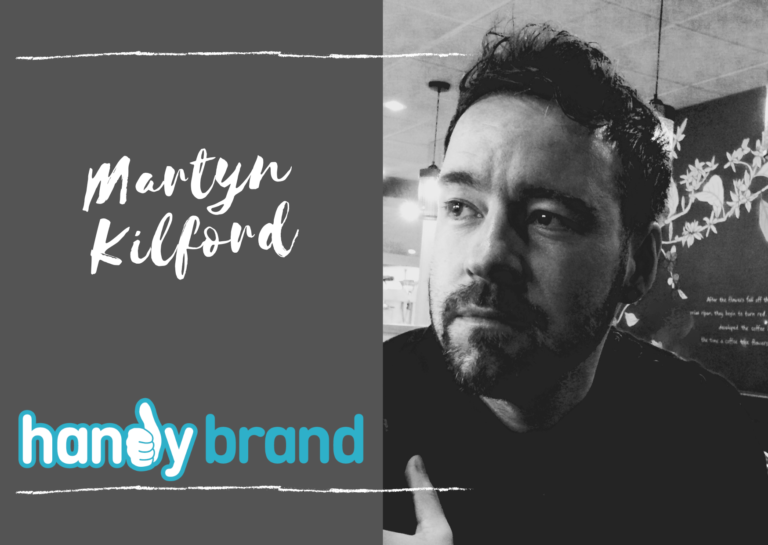
Empowering Transformation: Martyn Kilford’s Leadership in Transitioning Handy Brand to Employee Ownership

Handy Brand, a company renowned for its high-quality printed labels, stickers, and swing tags, embarked on a significant transformation under the leadership of Martyn Kilford. Transitioning to an Employee Ownership Trust (EOT) model, Handy Brand sought not just to reward its dedicated team of eight but to foster a culture of innovation, engagement, and shared responsibility.

This bold move aimed to ensure the company’s longevity and spur a deeper connection between employees and the company’s success. In this interview with Martyn Kilford, we delve into the motivations behind this pivotal shift, the journey’s highs and lows, and its profound impact on Handy Brand’s culture, performance, and outlook.

Can you provide us with a brief overview of Handy Brand’s journey and what led to the decision to transition to an employee ownership structure?

My journey began in 2007 when Handy Brand was born along with our two other trading companies, Handy Labels and Handy Tags. Handy Brand UK became a Limited company in 2013, and over the years, we’ve built a strong foundation with a very talented team within the niche sectors of high-quality printed labels, stickers, and swing tags.

The idea of transitioning to an Employee Ownership Trust (EOT) came about because I truly believed in the potential of our small team of employees. I wanted a structure that encouraged a sense of ownership and responsibility for the company’s success. As the sole business owner, the level of responsibility and time needed to invest within the business grew yearly. The opportunity to gift 51% of the business share to our small team of 8 hard-working, loyal employees seemed the natural thing to do.

Some of my key reasons behind the decision were:

  • Employee Engagement: By becoming employee-owners, everyone has a stake in the business. This incentivises participation, innovation, and a drive for long-term success.
  • Stability and Growth: EOTs promote a long-term vision for the company. We’re not bound to short-term pressures or potential outside ownership changes, which allows us to focus on sustainable growth and reinvest profits back into the business.
  • Decision-Making: While leadership is still in place to manage day-to-day operations, employee ownership offers a more collaborative environment. Our employees have quickly transitioned their mindset from employees to business owners who now make informed decisions, allowing them to grow in confidence.

Can you walk us through the process of transitioning to employee ownership? What were some of the challenges you faced, and how did you overcome them?

The transition was an exciting, quick, and fairly straightforward process, with very few challenges compared to a third-party business sale. From concept to completion, the whole process took around four months.

Planning and Education: It all began with thorough planning. We brought in legal and financial advisors specialising in EOTs to assess our company’s suitability and design the specific structure. We held employee meetings to explain the EOT concept, its benefits, and how it would impact them. Addressing their questions and concerns openly was crucial for building trust and buy-in to the EOT.

Valuation and Funding: Determining a fair valuation for the company is a critical step. We worked with professionals to get an accurate assessment considering future growth potential. Funding the EOT purchase can be more challenging if you cannot use profits accrued within the company. Fortunately, many years of saving and running a ‘tight ship’ alleviated this scenario.

Legal and Structural Setup: Establishing the legal framework for the EOT involves various steps, such as establishing a Trust Deed and appointing Trustees. The Trustees, who are responsible for managing the EOT on behalf of employees, need to be independent and understand their duty.

Challenges and Overcoming Them:

  • Employee Understanding: Not everyone initially grasped the financial aspects of EOTs, which led to scepticism and a lack of enthusiasm in a few staff members. We addressed this through clear and ongoing communication, using simplified explanations and visualisations to ensure everyone felt comfortable with the transition.
  • Leadership Adjustment: Shifting from a traditional ownership structure to an EOT requires both owner and employee to adapt. I must liaise with the Trustees before making important decisions that were previously solely my responsibility, and the employees need to think like business owners; both mindsets needed to adjust and continue to do so.

How has the shift to employee ownership affected Handy Brand’s company culture?

The transition to employee ownership at Handy Brand has been a breath of fresh air for our company culture. It offers a more engaged and collaborative environment where everyone feels a deeper sense of connection to the company’s success. This shift is noticeable; it’s moved us away from a traditional “working for” mentality to a more empowering “working with” approach.

The employees are no longer passive observers. They actively seek out opportunities to improve processes, identify areas for growth, and implement innovative solutions. This proactive approach stems from a deeper understanding of how their contributions directly impact the company’s performance, which ultimately translates to their own financial well-being through profit sharing.

This newfound sense of ownership also translates to a culture of open communication. Employees feel empowered to voice their ideas, suggestions, and concerns in a safe and open environment where valuable perspectives from all levels are considered, leading to better and more informed decision-making. For instance, a recent suggestion from our customer service team regarding a loyalty program enhancement was implemented, leading to a significant increase in customer retention.

It’s a culture where initiative is encouraged, ideas are valued, and everyone feels a sense of ownership in the company’s success. This collaborative spirit benefits the company’s bottom line and allows for a more fulfilling and engaging work environment for our employees.

Have any notable success stories or positive outcomes emerged among your employees since the shift?

Yes, it has brought a wave of positive changes for our team, extending far beyond the financial aspects. While profit sharing has undoubtedly been a significant win, personal stories truly showcase the impact.

This newfound ownership has empowered many team members to achieve life goals they might have previously considered out of reach. The financial security that comes with profit sharing, particularly during challenging times like the pandemic and cost-of-living crisis, has been instrumental. Several colleagues have realised their dream of buying their first home, a significant milestone that wouldn’t have been possible without the additional financial support. Similarly, others have used their share of the profits to invest in themselves, pursuing education and acquiring new skills that directly benefit their work. This commitment to personal growth not only enhances their job satisfaction but also translates into a more skilled and knowledgeable workforce, ultimately leading to increased customer satisfaction.

The additional perk of a tax-free bonus of £3,600 per year adds another layer of security. It’s a welcome financial boost that can be used for various purposes, from covering unexpected expenses to pursuing personal passions. This feeling of financial stability gives a sense of peace of mind, allowing employees to focus their energy on delivering exceptional service and innovative solutions for our clients.

In essence, employee ownership has become more than just a financial benefit. It’s a model that encourages personal growth, empowers employees to achieve their goals, and fuels a dedication to excellence that ultimately benefits our team and customers.

Handy Brand

How has transitioning to an employee ownership model impacted Handy Brand’s performance in the market?

Transitioning to an employee ownership model at Handy Brand has positively impacted our market performance. We have grown a culture that prioritises long-term client relationships, service excellence, and shared values.

This shift has led to a more stable workforce. Reduced employee turnover allows us to build a team with deep product knowledge and a consistent understanding of client needs. This translates into a more reliable and consistent service experience for our clients, who appreciate the ability to develop long-term relationships with familiar names and faces.

Furthermore, the focus on employee ownership gives a sense of purpose that extends beyond just profit. Our team members are passionate about growth and innovation, driven by a desire to see the company succeed. This dedication translates into a higher standard of service and a commitment to finding new and improved ways to serve our clients.

Another key benefit is the emphasis on shared values. Employee ownership often leads to a clearer definition of the company’s core principles, which tend to align with those of socially responsible clients. This creates a natural synergy between clients and employees, prioritising quality, fair practices, and responsible business conduct. Clients who value these principles are increasingly drawn to Handy Brand, recognising us as a company committed to more than just the bottom line.

In essence, employee ownership at Handy Brand has created a virtuous cycle. A stable and passionate workforce delivering exceptional service, attracting clients who share our values. This, in turn, fuels our continued growth and success, creating a market advantage in today’s competitive landscape.

What are your long-term goals for Handy Brand under this new ownership structure?

Our long-term vision is multifaceted. First and foremost, we’re committed to solidifying our reputation within our existing niche markets. We have a loyal customer base that’s been with us for over 15 years, and we deeply value that trust. Our focus will remain on consistently exceeding their expectations through unparalleled quality and exceptional customer service. This dedication to excellence will be a constant driving force as we progress.

However, our ambitions extend beyond simply maintaining our current position. Employee ownership offers a spirit of innovation, and we’re eager to leverage this collective energy to explore strategic diversification. One exciting possibility is expanding into new, complementary niches like printed paper bags. Potential ventures will be carefully evaluated to ensure they align with our core values and the expertise of our team.

Sustainability is also a top priority. We’re committed to implementing eco-friendly processes and materials wherever possible. This commitment reflects our environmental responsibility and a growing market trend. By embracing sustainable practices, we ensure that Handy Brand remains at the forefront of our industry for generations to come.

Ultimately, the transition to employee ownership empowers our team to be not just employees but active participants in shaping Handy Brand’s future. We’re energised by the opportunity to build upon our strong foundation, innovate strategically, and ensure Handy Brand remains a leader in quality, service, and environmental responsibility for the long term.

Based on your experience, what advice would you give to other business owners considering a similar transition to employee ownership?

In my experience, transitioning to an employee ownership model (EOT) has been a resounding success for Handy Brand. However, the decision to pursue this path isn’t a one-size-fits-all proposition. I advise other business owners to consider their unique circumstances and long-term goals carefully.

There’s no denying the potential benefits. EOTs can offer a cleaner, quicker and more emotionally satisfying exit strategy compared to traditional sales to third-party entities. You gain the peace of mind knowing the business you built remains in the hands of its dedicated employees. And let’s not forget the tax advantages, such as the exemption from Capital Gains Tax upon selling your controlling stake to the EOT.

However, the true magic of EOTs lies in their impact on the company itself. Our experience has shown an increase in employee retention and engagement. Team members become more invested in the company’s success, leading to higher sales growth and a more dynamic and innovative work environment.

Of course, there are challenges to consider. The transition process itself requires careful planning and professional guidance. However, for businesses seeking to create a sustainable and people-driven culture, the advantages of employee ownership far outweigh the initial hurdles.

So, to those contemplating a similar path, I say this: conduct thorough due diligence, understand your personal and company’s unique needs, and, most importantly, believe in your team’s potential. If you share our vision of future-focused employee empowerment, shared success, and a commitment to long-term growth, then employee ownership might be the key to unlocking your company’s full potential. Just remember, the decision ultimately rests on your specific circumstances and goals.

As we conclude our conversation, what final reflections or key takeaways would you like to leave our readers about the journey towards and the benefits of employee ownership at Handy Brand?

Our journey to employee ownership has been a resounding success. We’ve witnessed a dramatic shift in our company culture, with a newfound sense of engagement, community, and a focus on the business’s long-term success. This transformation is a direct result of the ownership and shared purpose instilled in our employee-owners. It’s a powerful testament to the potential of a people-centric business model. While this is a young, ongoing journey, we, the employee-owners of Handy Brand, are incredibly enthusiastic about the future.

Reflecting on the insightful conversation with Martyn Kilford, it’s clear that Handy Brand’s transition to employee ownership is more than a business strategy; it’s a testament to the power of trust, shared vision, and collective effort.

The positive changes in company culture, increased employee engagement, and impressive market performance underscore the potential of the EOT model to redefine business success. Martyn’s journey with Handy Brand illuminates a path for other companies considering this transformative approach, emphasising that the key to sustainable growth and innovation lies in empowering those who are most invested in the company’s success: its employees.

As Handy Brand continues to navigate its future with its employees at the helm, it stands as a beacon of inspiration for businesses worldwide, proving that shared ownership can indeed create shared success.

Learn more and visit https://www.handybrand.co.uk

Why Having A Lawyer Is Essential When Running A Business

The business world is filled with legal technicalities that underpin just about everything you do. From registering your business, to trademarking, to protecting yourself against other businesses, there are a multitude of legal aspects to think about. Having a lawyer is an essential part of running a business for these reasons. A lawyer can seem like a big cost, but they can provide you with a lot of advice which is highly beneficial in a world of legal complexities.

Here is why having a lawyer is essential when running a business.

Registering a Trademark

Business lawyer

A business with a product must trademark it. This is to protect it from being used by other businesses, which can take away from your profit. Having a lawyer can help you go through the process of registering a trademark, and keep you protected from others trying to use your product and/or business.

Going to Court

A number of reasons could occur which would involve you going to court. Whatever the reason is, you should always have legal aid to guide you through the process and protect you. Court can be overwhelming for those who have never experienced it, and it is best to have a skilled legal practitioner by your side. When going to court, there are a number of processes you must follow, and if it is an especially big case, it can be very complex. Having a lawyer means that you will have guidance through the legal system, and will be able to defend or push your case as strongly as possible. For example, if someone infringes your trademark, having a lawyer means you can draft a professional cease and desist letter. If this fails, then going to court is necessary to be repaid damages and stop the infringer from continuing their practices.

4 Tips for Landscape Design from Jennifer Miree Cope

Creating a new landscape design can be one of the most rewarding things you can do for your home. As landscape design specialist Jennifer Miree Cope explains, though, re-doing your yard can be a real challenge.

From design to plant selection to budget, knowing where to start can be difficult. Here are four essential tips for landscape design that every homeowner should follow.

1. Decide What You Want Your Yard to Be

Before you can start creating a beautiful design for your yard, it’s important to define what you want it to be. Is it a peaceful space for you to relax and read a book? Is it to add curb appeal to the front of your house? Is it to attract pollinators? Is it to create an entertaining space?

The function of your yard will help you determine the ultimate design for your landscape. Many homeowners go into a yard re-do without the final function in mind. If you don’t know how you’re going to use the space, it can be a real challenge to design something that you’ll love.

2. Define Spaces

When you’re creating your landscape design, it’s important to define your spaces. Most homes have multiple outdoor spaces — a front yard and a backyard, of course, but also walkways, gardens, and play areas.

One of the best things you can do when you’re designing your landscape is to define the spaces, and then give those spaces physical boundaries. This can be done with fencing, hedges, or a patio, for example.

Along these lines, keep in mind themes when you’re creating each of these separate spaces. This will help you stay consistent with shapes, choose complementary colors and also integrate seating, structures, hardscapes, and decorations.

Jennifer Miree Cope with her husband, D. Paterson Cope
Jennifer Miree Cope is pictured here with her husband, D. Paterson Cope

3. Connect Your Spaces

After your spaces are defined, and the boundaries are in place, set up ways to connect them so you can easily travel from one to the next. This could be walkways, stepping stones, or some other decorative feature.

This helps create the same “open concept” design for your outside that is so popular today inside of homes.

4. Know Your Growing Zone

There are a lot of truly amazing, unique plants nowadays. At the same time, there are a lot of places to get great inspiration for your landscape design, including magazines, trade shows, and social media sites such as YouTube.

While you’ll have plenty of choices when it comes to plants for your landscape, not all of them will thrive in your location. There are three factors here you should keep in mind — growing zone, soil, and light.

Jennifer Miree Cope suggests checking the USDA Plant Hardiness Zone Map, where you can view what growing zone you’re in. Then, make sure that the plants you choose will do well in your zone.

Then, figure out the type of soil you have and whether your chosen plants would do well in it. Finally, consider where you’re planting everything, and if that spot will get the right amount of sun to thrive.

About Jennifer Miree Cope

Jennifer Miree Cope graduated from Vanderbilt University in 1985 with a degree in Electrical Engineering. Renowned for her passion and talent as a landscape designer, Jennifer’s associates often praise her for being organized and thorough. When not hiking in the mountains of North Carolina, attending University of Alabama sporting events, or exercising, Jennifer is often volunteering with one of the many charitable endeavors supported by Independent Presbyterian Church in Birmingham, Alabama: STAIR tutoring, Holiday House, or the Children’s Fresh Air Farm.

IIT-Delhi is going international, but the move may’ve been triggered by a controversial global ranking system

After having catered to around 40 million Indian students at home, the Indian Institute of Technology in Delhi (IIT-D) is planning to go international and open two campuses in Egypt and Saudi Arabia as part of a global outreach and expansion of top Indian institutes.

It is the first such indirect step towards making ‘study in India’ a reality and ensuring India’s much-vaunted education system contributes towards enhancing global standard of learning. It will also enhance IIT-D’s financial health, reducing its dependence on government grants.

But more crucially, India’s premier institution may very well be taking this step to deal with an allegedly inexplicable global ranking system, which has become an issue of debate among academics.

The QS World University Ranking, 2022, published earlier this year has placed IIT Bombay in the 177th position, followed by IIT-D at 185… that’s abysmally low considering the high impact IITians are creating, globally.

IITs do not have an international set-up at the moment. Also, foreign students in its programmes in India number merely 50, 000 (pre-covid days). Together, they have been the biggest roadblocks in the institution’s apparent desire to be counted among the best.

It is argued that internationalisation will change the perception of Indian institutes and create a buzz about the value they bring in. Moreover, the New Education Policy 2020 (NEP) is already promoting internationalisation and batting to make India a ‘study abroad’ destination.

But, should rankings, which are essentially for marketing purposes, really matter? Has the absence of IITs in top-100 or 150 hampered its students’ pursuit of excellence? A survey conducted recently revealed that 72% students worldwide said they are more interested in degree outcomes and place high value on educational programs. Only 17% still consider rankings a major consideration while deciding on a university.

Their culture of problem-solving, understanding of the English language, and relentless hard work are factors that are fast becoming a major attraction for multi-billion dollar global tech giants. It is on the basis of such criterion that top companies have an IITian at wheels.

Parag Agrawal’s recent elevation as Twitter CEO is the latest case in point. He joins IBM’s Arvind Krishna, Google’s Sundar Pichai and Microsoft’s Satya Nadella as leaders of US multinational companies.

Tweeting on Twitter’s new roadmap, Jack Dorsey said, “He’s curious, probing, rational, creative, demanding, self-aware, and humble. He leads with heart and soul, and is someone I learn from daily.”

These attributes are becoming key indicators when hiring.

Amazon’s Jeff Bezos’ reliance on Amit Agrawal, a senior vice president and the country manager for India, has proven to be a master-stroke. While Amazon’s growing market share in India may not entirely be a reflection of IIT’s prowess, it possibly highlights the effectiveness of approach and strategy that IITians deploy, quite a bit of which comes with the territory.

Then there are the promoters and facilitators. In innovation, they are triggering responsible disruptions by backing revolutionary ideas. IIT-D alumni Rajat Khare’s Luxembourg-based Boundary Holding, which enables Fourth Industrial  Revolution (4IR) and invests aggressively in deep-technology, like Artificial Intelligence (AI), IoT, Machine Learning and more, has already made huge investments in European companies that are leading the way in ushering in a new era.

With the annual placement season underway, tech giants are once again making a beeline for India’s crème de la crème. And they are not doing so on the basis of ranking.

This month itself, ride-hailing giant Uber offered IIT Bombay students first-year packages of $274,000 for jobs in the United States.

US-based IT firm, Cohesity, has offered the highest package of Rs 1.46 crore (or 1, 95,000 USD), followed by Glean, that has a package of Rs 1.12 crore (or 1, 50,000 USD). These packages also include incentives and other stock options as well.

Among the Japanese firms, offering attractive packages are Sony Japan, Hyundai (research & development) and Rakuten.

A shift may be taking place, though. With the exponential rise of India’s own technology sector and the recognition it is receiving, the country’s best and the brightest minds will find greater opportunities with a financial package to match global standards back home.

But, by then, IITians will have made a mark. If they haven’t already.

SugaCards 5 Reasons to Convert Your Plastic Card into Metal

Today everyone knows about metal payment cards. This is a very fashionable accessory that has replaced the most status types of plastic cards from the pedestal. Indeed, metal payment cards combine aesthetics and functionality. And in general, they are much more practical, more convenient, and to be honest, more solid than ordinary plastic, which you will definitely not surprise anyone with.

If you have not yet decided to order a custom payment card made of metal, we, together with our partners, the SugaCards company, have prepared 5 important reasons for you in favor of such a decision. Let’s get to know them together.

Reason # 1: Metal Card Is A Big Step Towards Higher Status

In our world, status still plays a big role. Who wants to be considered insignificant? Of course, no one. At the same time, it is not always possible to constantly show your high status. For example, if you’re on vacation at a resort, you obviously won’t be sitting by the pool in a luxury Ralph Lauren suit. And on the plane, your fashionable ostrich leather shoes will simply not be noticed by the rest of the passengers. It will be simply impossible not to notice your status metal payment card, indeed. Its exclusive design will immediately give you recognition as a person of high status in society, perhaps a celebrity, or a real business shark. And for this, you do not have to do anything other than quite standard actions. Just pay with it at a restaurant or hand it over to a counterman to pay at a boutique. Believe us, rumors about a VIP client will run faster than the wind.

Reason # 2: Being Trendy Is Cool

Metal payment cards, decorated with engraving, coated in different shades, are very trendy accessories. Such cards became fashionable a couple of years ago. And the reason for this is very simple. Previously, they were inaccessible to a wide range of people, because such payment instruments were issued only to VIP clients of banks, and not every bank was able to issue such insignia. Today it is no less a status but much more accessible trophy. And the practice of SugaCards proves it.

Reason # 3: Metal Bank Cards Are Not Only About A Status They Are Also A Full-fledged Payment Instrument

Even if status and image are not in the first place for you in the rating of personal values, you will certainly appreciate the functionality of metal bank cards. In fact, they are no less functional than plastic ones. The only difference lies in the NFC technology. Due to the fact that metal strongly shields electrical signals and magnetic waves, it is not yet possible to use the touch-and-pay technology in metal payment cards. In addition, often part of the information required for PayPass technology is sewn into the plastic part of the card, and it is simply impossible to remove it for transfer to a metal carrier. Otherwise, it is a regular payment card. It can be used in a store or restaurant where there is a POS with the possibility of sliding a card with a magnetic strip or an insert slot for EMV chip cards. You can withdraw money from it in ATM, where the card is not fully drawn into the card reader. Either way, in the age of smartphones, you can compensate for the shortcomings of metal payment cards by using contactless payment apps.

Reason # 4: It’s an Opportunity to Increase Your Brand Awareness

But the fourth reason on our list is closely related to the offer from SugaCards. It is about the custom design of metal payment cards. The fact is that you can not only choose one of the extraordinary and stylish cards available for order on the website, but also order a custom metal payment card with your company logo at sugacards.com. Such a solution will help you increase your brand awareness because its logo or name will be in front of the eyes of many people, from your partners to sellers and visitors to the cafe where you drink your latte in the morning. Consider that along with the payment instrument, you will also receive an advertisement for your brand as a gift.

Reason # 5: Metal is Always More Reliable than Plastic!

Well, the last reason on our list is one of the most obvious. Try it yourself on metal and plastic of the same thickness. Which of these materials is most likely to maintain the integrity and remain intact even when exposed to great force? The answer is obvious, metal is much stronger! You are probably familiar with situations when a plastic bank card failed long before its expiration date. Scratches on the magnetic stripe and damage to the chip are among the most common damage types to plastic cards. Such a trick will not work with metal. Bank cards made of fine metal are much stronger and less prone to scratches. In addition, the metal card cannot be bent in normal life. And this means that the risk of breaking the card in half, as it sometimes happens with plastic cards, does not threaten you either.

More and more people decide to upgrade their payment instruments. And SugaCards is the company that will help you with this. You can simply order a metal bank card from this company online, and you will receive several benefits at once, including an increase in status, advertising your brand on the card, and also the confidence that your card will not let you down at the most inopportune moment.

Open Yet Tailored To All, Innovator Brian Hutcheson Is Conquering Client Satisfaction

There is an immense difficulty with scaling a service-based business. Many are geographically located to potentially limit their pool of clients without some profound global draw. Others are narrow, only likely to appeal to those with specific issues in niche circumstances. When there is a drought of attracted people, the business can do nothing but sit and wait, as it is curtailed by the conceptual restrictions it imposes on itself. Client satisfaction is unable to rise if there are no clients to satisfy.

Every venture is almost certainly going to encounter these problems when it seeks to grow in size and value. On this assumption, a service provider such as a healthcare clinic could be the first to fall at the hurdles mentioned above due to its likely fixation on one speck of the globe and the fluctuating nature of the surrounding population’s medical issues. With his clinic Caring Medical Florida, at which he is the Director of Dynamic Orthoneurologic Correction, Dr. Brian Hutcheson sets out to satisfy clients from across the world map by implementing a comprehensive approach to health and providing exceptional customer service.

Prudent observers may have noticed that an immediate flag is raised by Caring Medical’s location in the Southeastern United States. However, Hutcheson is adamant that the appeal of his clinic brings in custom from far and wide. Inclusive of clients from the Middle East, Caring Medical boasts a client base spanning all seven continents every week. Partly, this is due to Brian’s willingness to embrace innovative medical practices and a new approach to care before mainstream providers took hold. Being ahead of the curve on technologies such as digital motion X-rays (DMX) to uncover the true cause of chronic pain positioned Hutcheson as a trailblazer in his field, gaining recognition from peers in the healthcare industry. The daring nature of Brian’s approach quickly garnered the attention of those who had yet to find solutions to their medical problems.

Solving someone’s problem is a great way to keep them satisfied, but it is Brian Hutcheson’s dramatic overhaul of the traditional healthcare approach that is keeping his business present and relevant. The holistic approach to medicine is one many providers scarcely have the time and resources to provide. But at Brian’s clinic, the ethos is not only considered but prioritized.

“We look at each element individually while providing whole-person care,” Brian explains. “The structural things are key – a patient’s home life, their posture, their day-to-day routine, and the quality of the media they take in. These are all important considerations when we make recommendations for them.” At the core of Brian’s beliefs, external factors such as mindset and lifestyle directly influence a person’s health. By paying attention to the nuances of a patient’s situation, he can curate a solution that will improve their wellbeing.

A critical caveat to this approach is that maintaining good health is an ongoing process, which is why Brian Hutcheson is constantly innovating to provide his patients with access to instant solutions. For clients of Caring Medical, personalized videos are sent directly, detailing the exact mechanisms required to most effectively resolve a health issue such as an abnormal neck curve. Brian’s aspiration, on the other hand, is to continue to build his personal online channels, where he seeks to share ‘pearls of wisdom’ on everyday health and mindset issues experienced by the masses. As with other successful thought leaders over the past two years, Brian has realized the potential of online technology to expand and adapt a business and wishes to pull it with both hands into his brand’s future. This cutting-edge approach assists in bringing Brian’s Florida clinic into the international eye.

It’s quite the exposure for a boy from the suburbs of Chicago, an upbringing he credits with equipping him with the interpersonal skills to diversify the appeal of his clinic. In Brian’s youth, formative moments were made when his father would take his son to Chicago Cubs games with business associates. Brian soon learned that these entrepreneurs originated from different walks of life but had all reached the same destination. The communicational tools required to interact with diverse people effectively were therefore available to Brian to take advantage of, inspiring the inclusive approach of his medical ventures.

Ultimately, it is inclusiveness that guides a clinic and a brand geared towards catering to the queries of individuals. Dr. Brian Hutcheson is inclusive with his practices, never failing to investigate an emerging medication or methodology, just as he is with his clients, who are satisfied by his interminable pursuit of healthcare perfection.